Don’t Waste Buildings is calling on the UK government to overhaul its tax system to incentivise the reuse of empty buildings, warning that Britain is missing out on billions of pounds of potential economic growth.
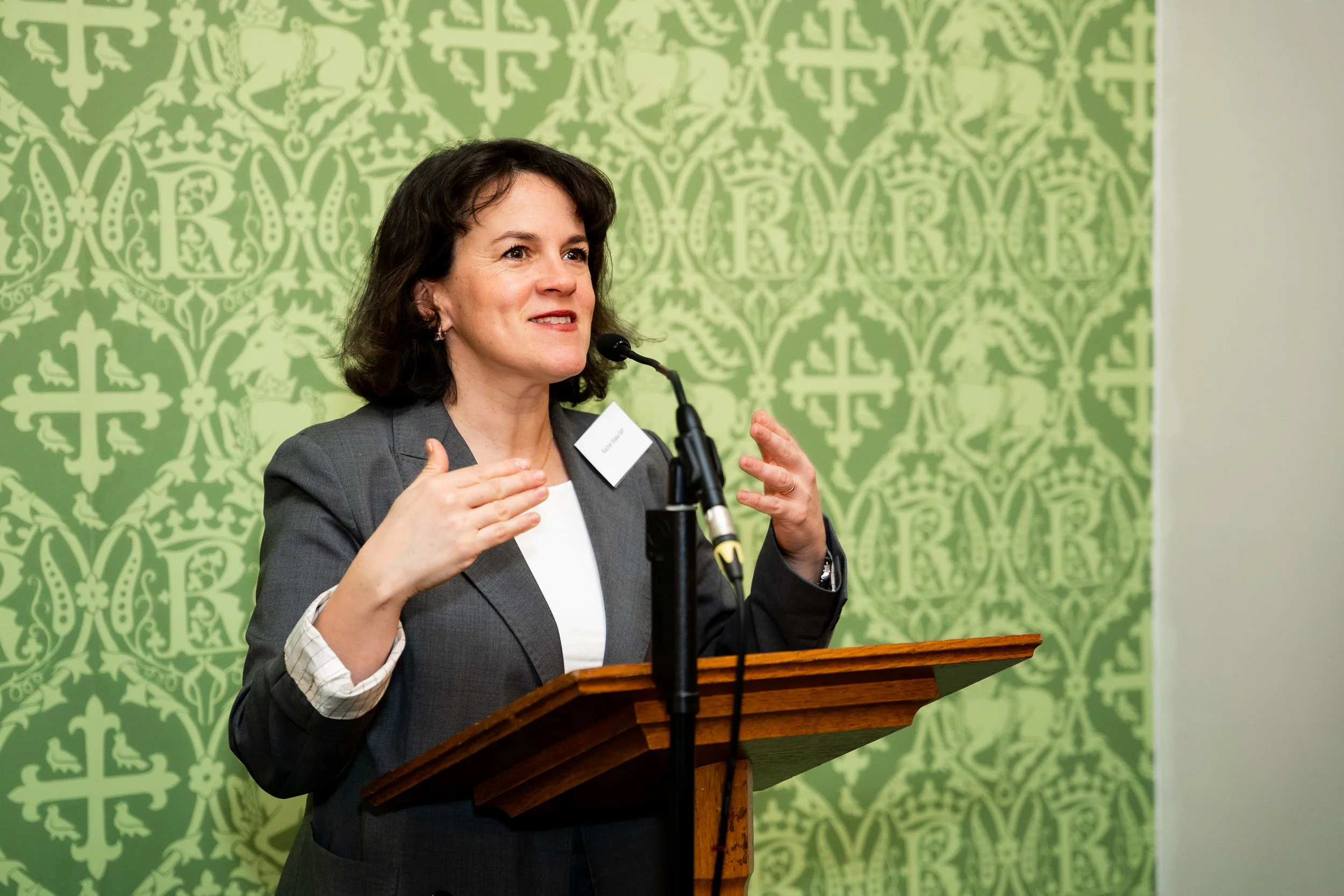
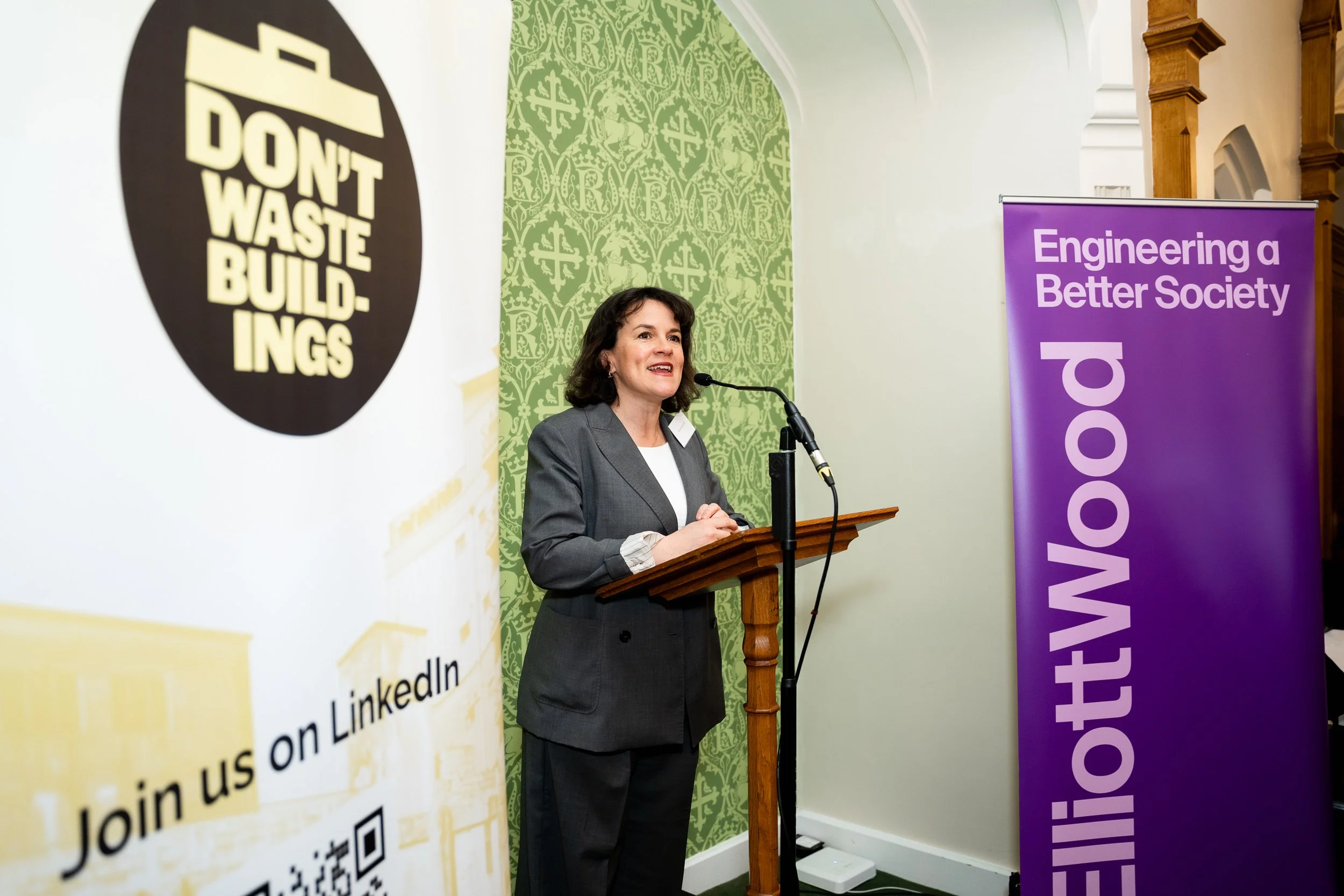
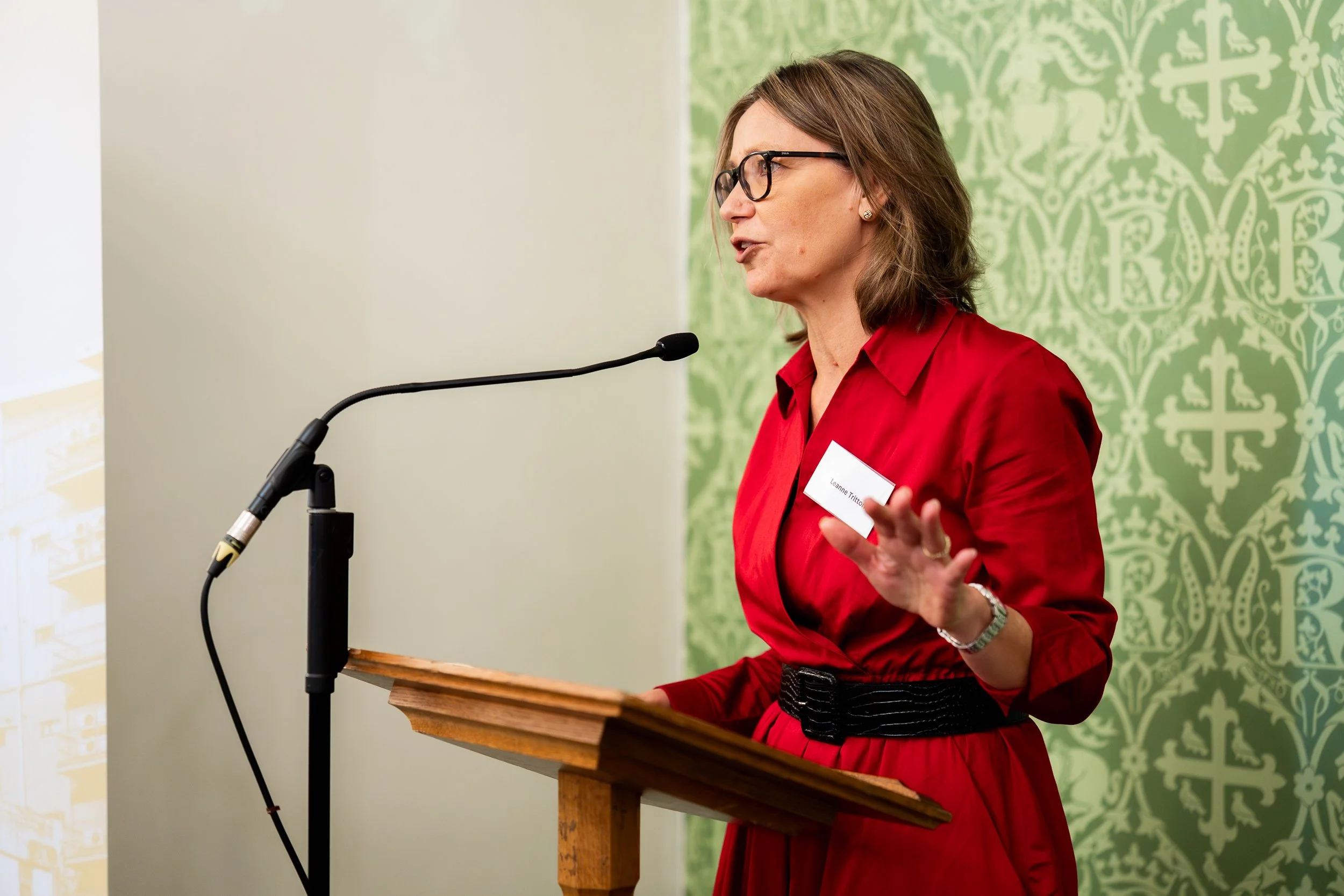
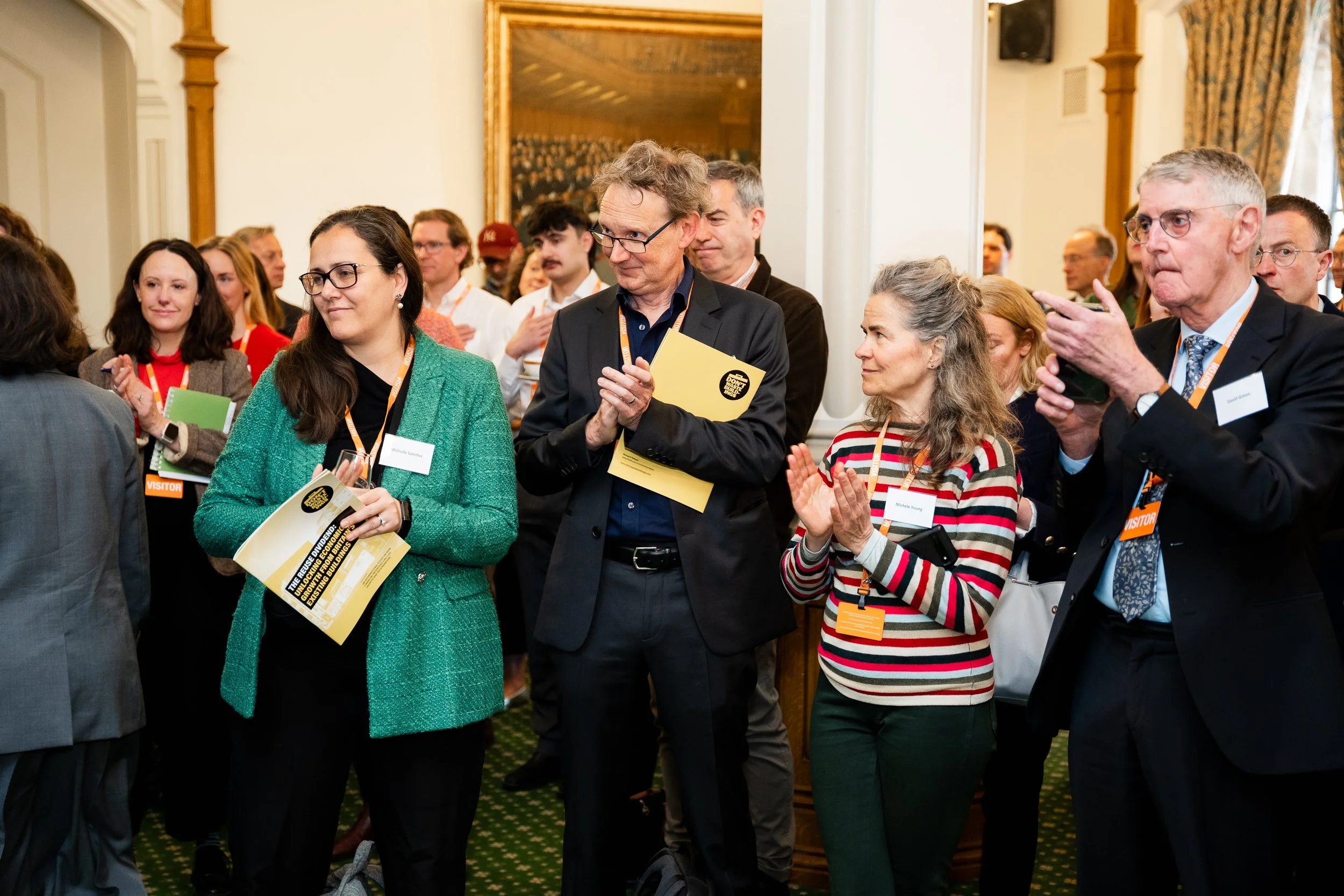
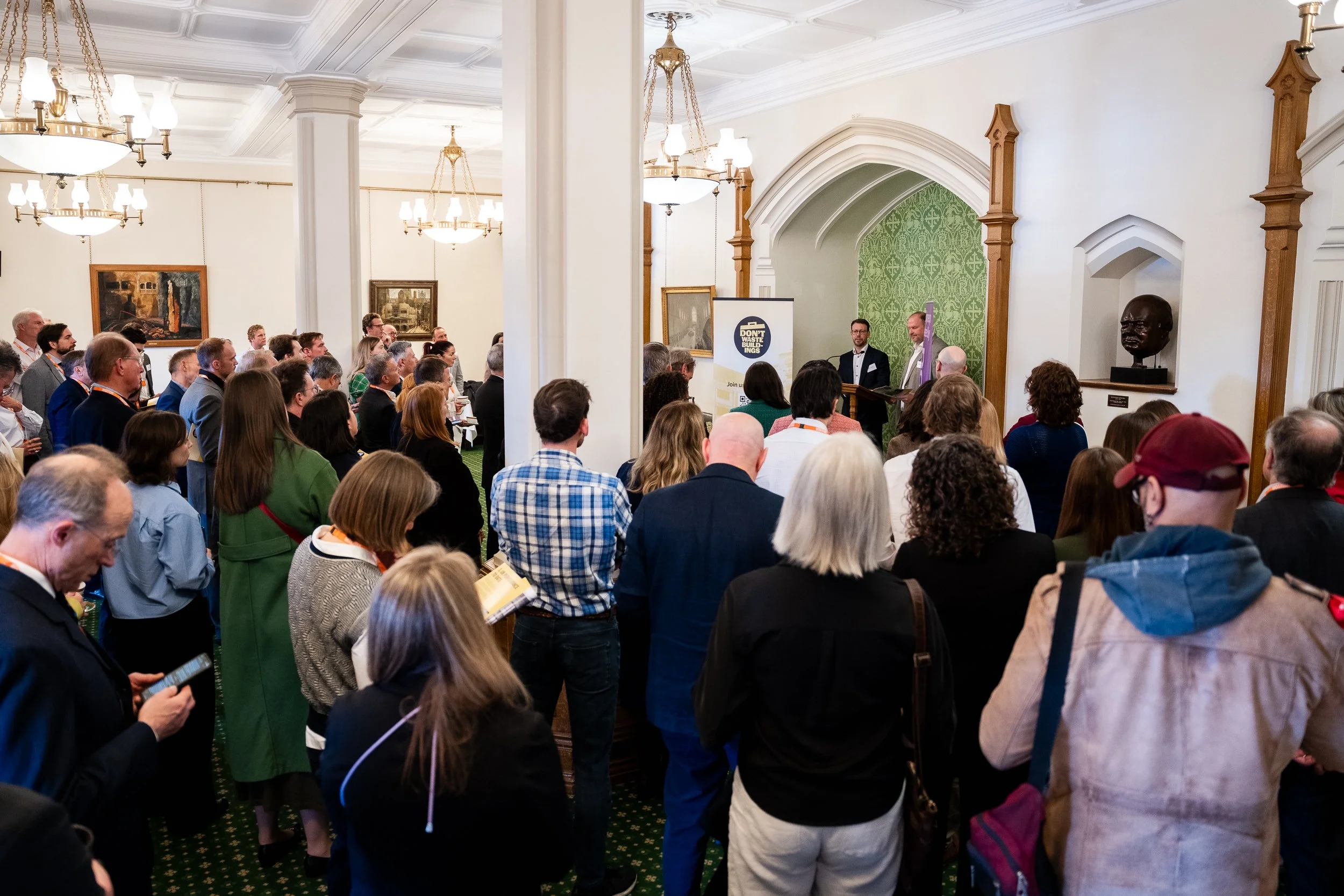
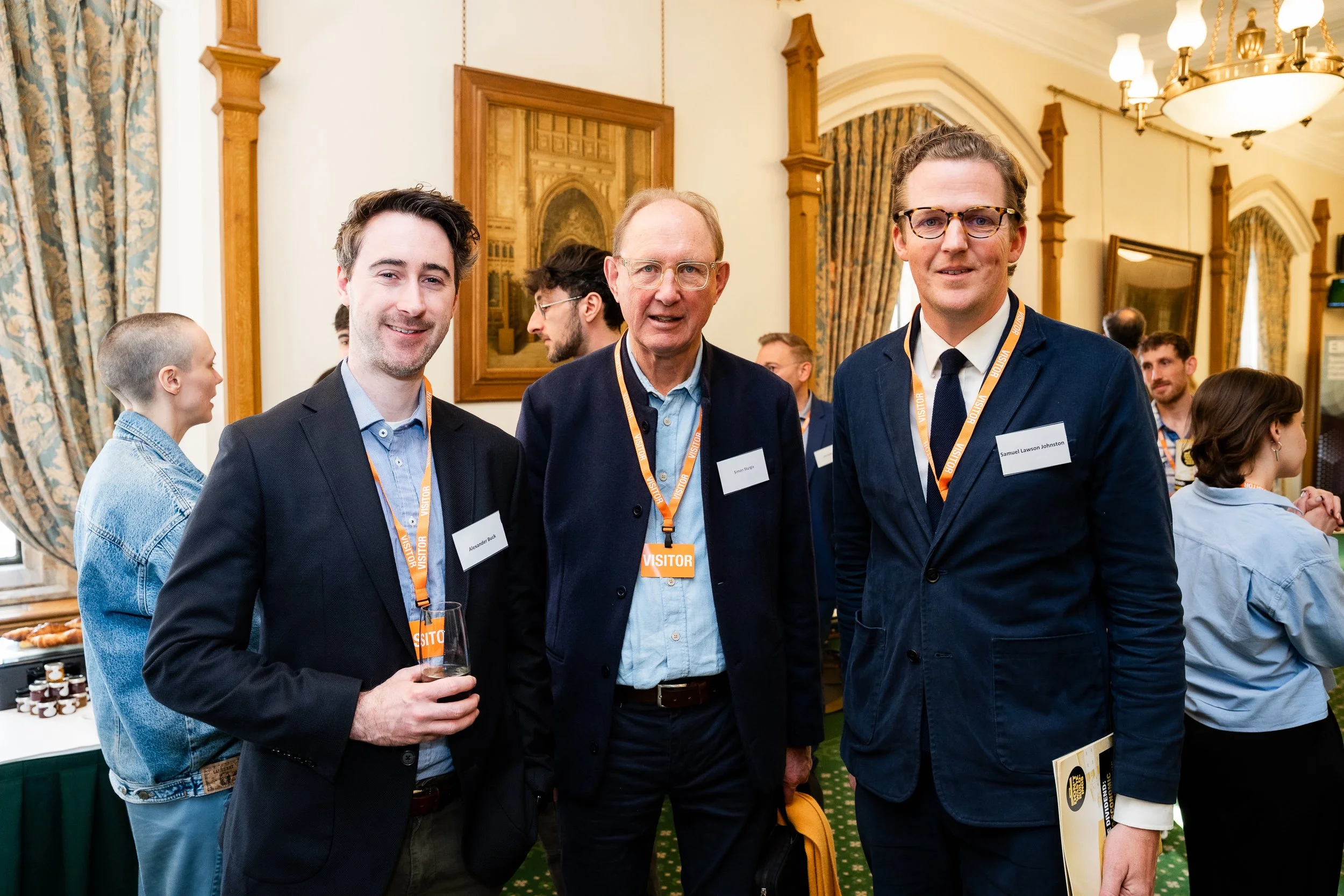
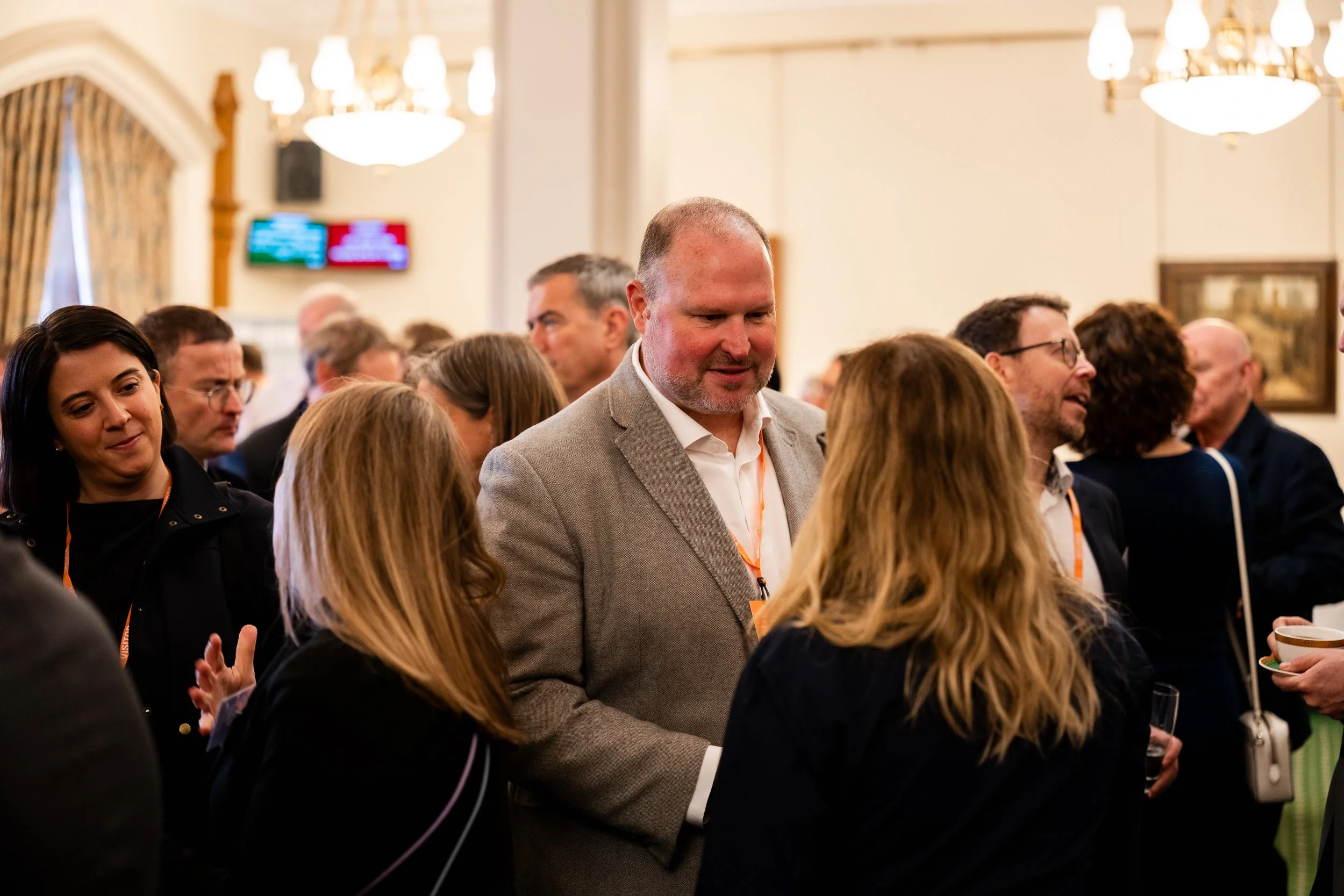
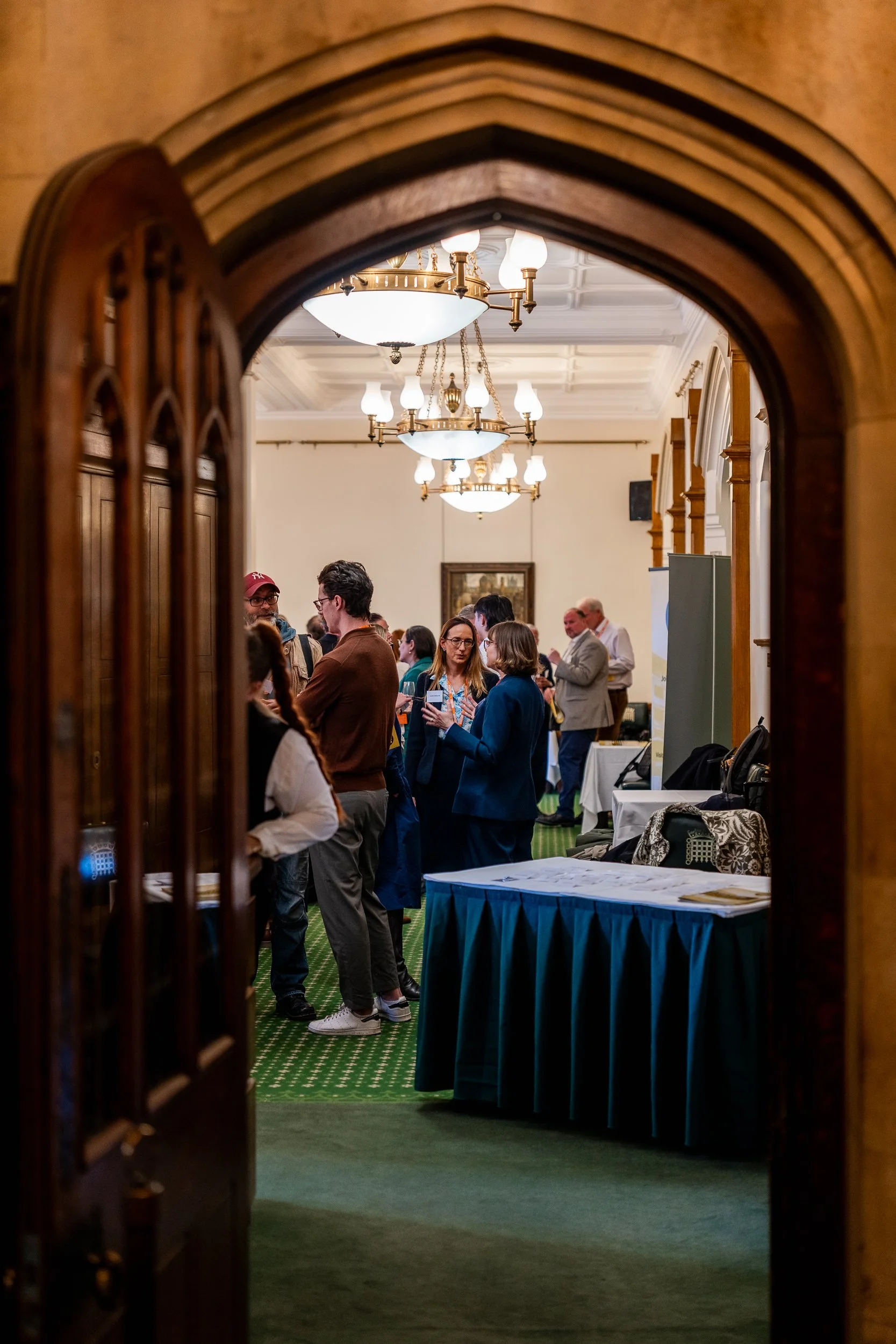
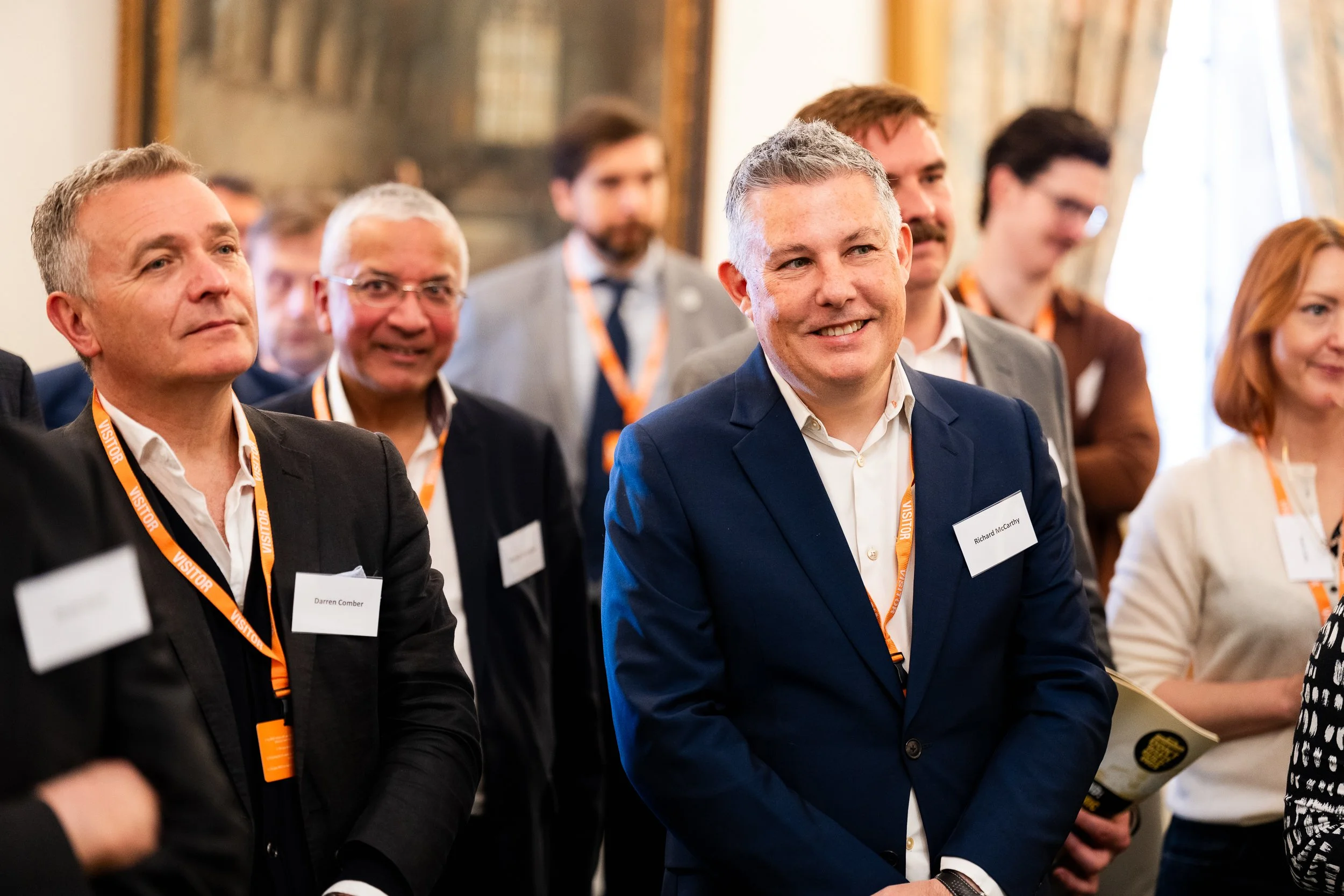
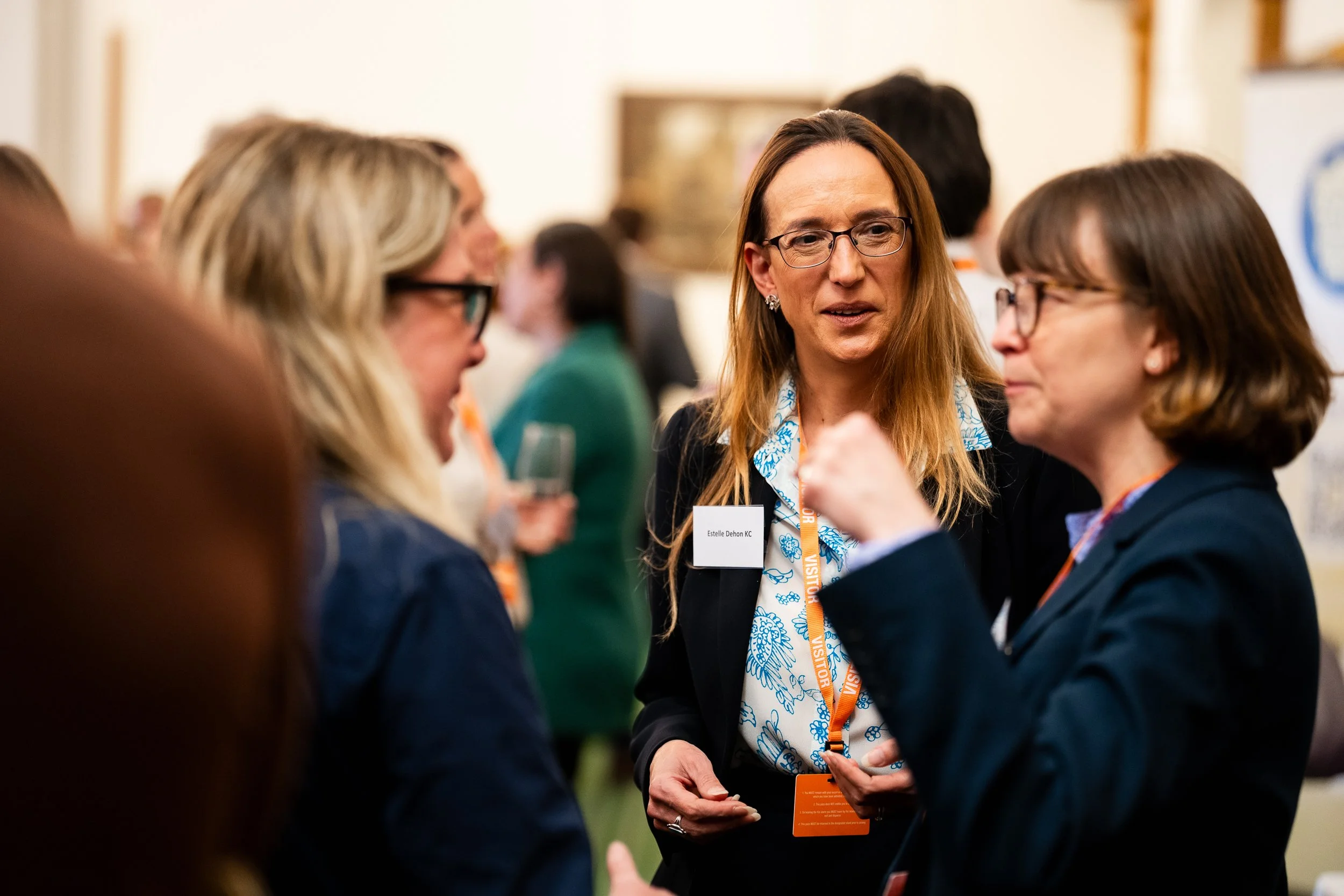
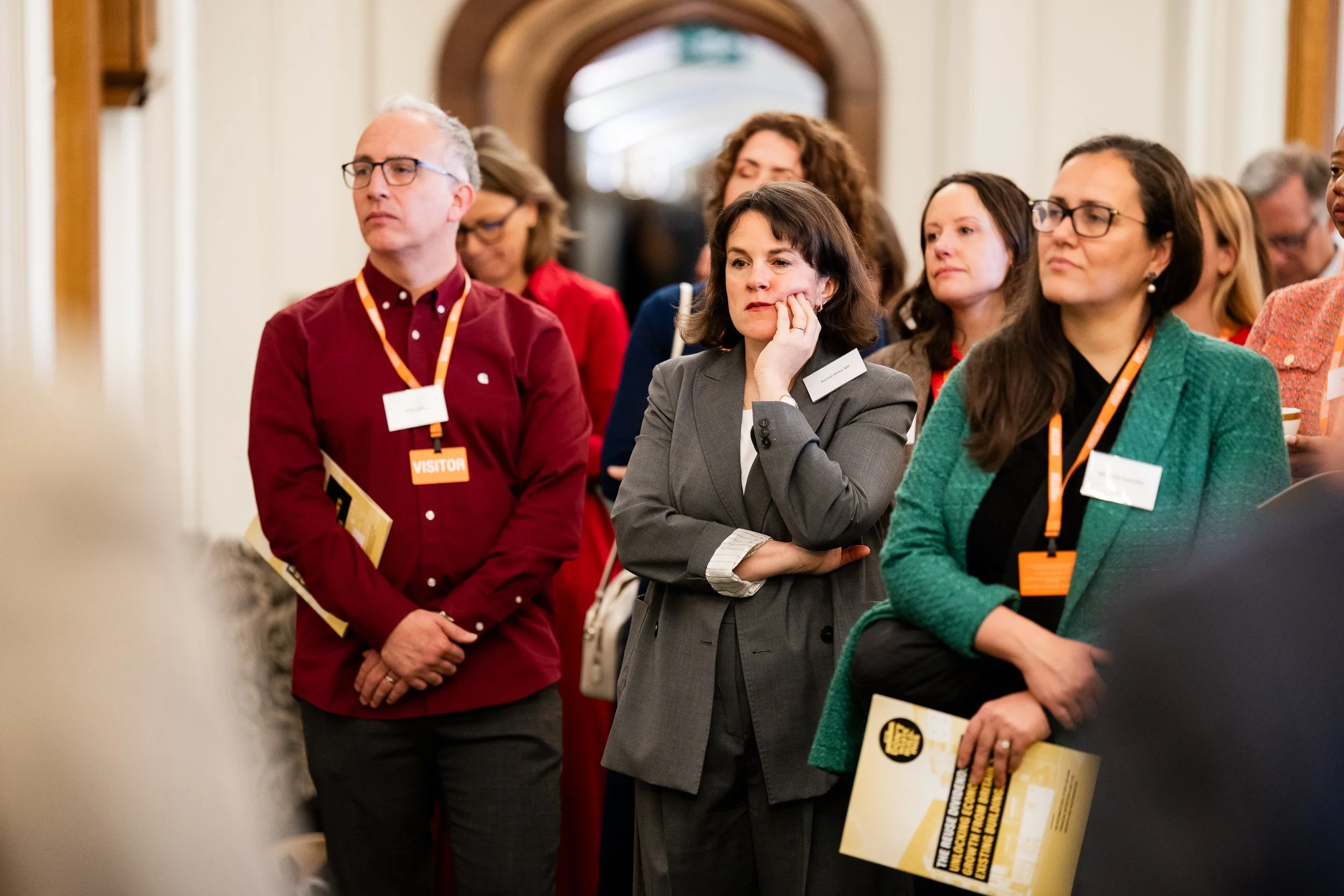
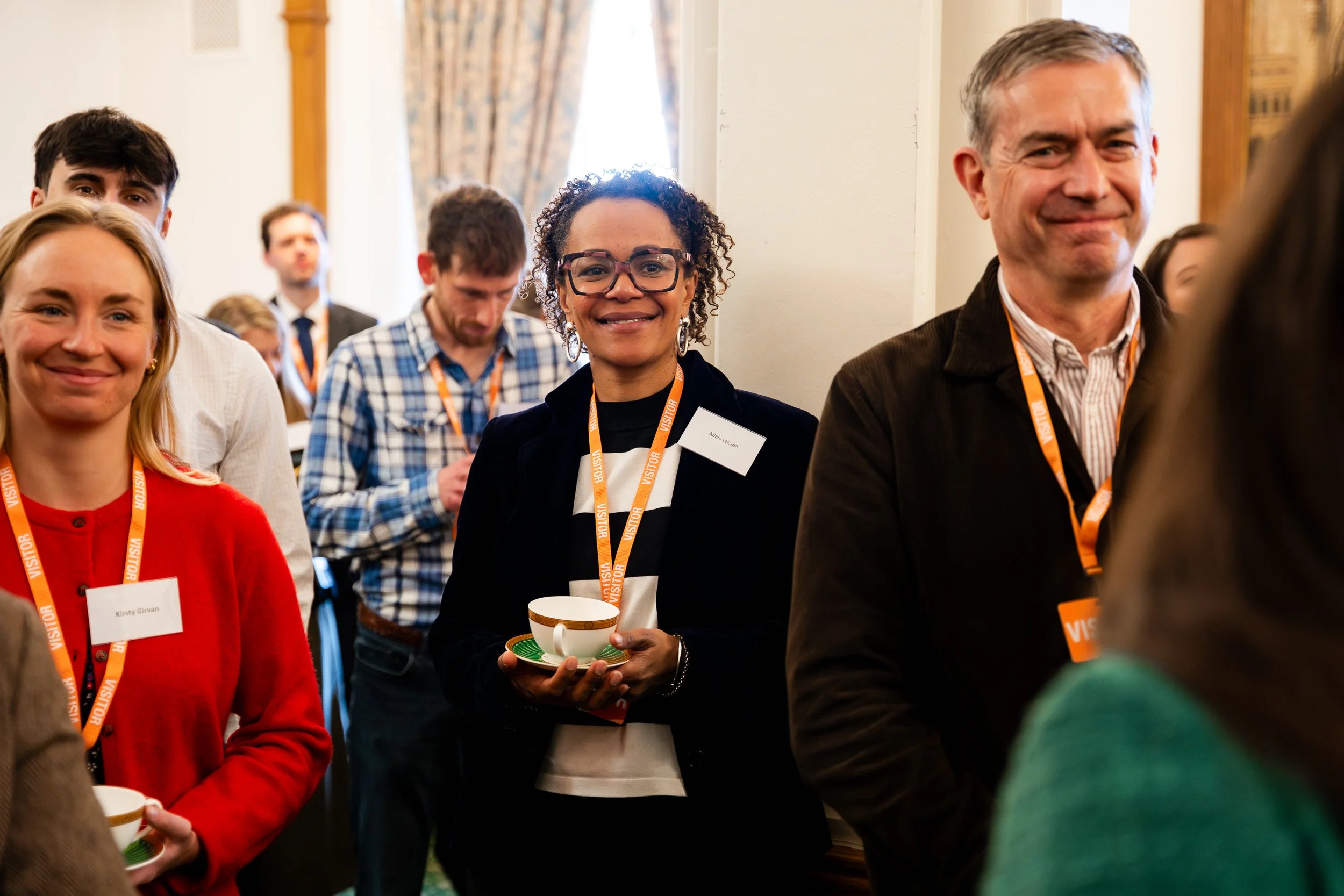
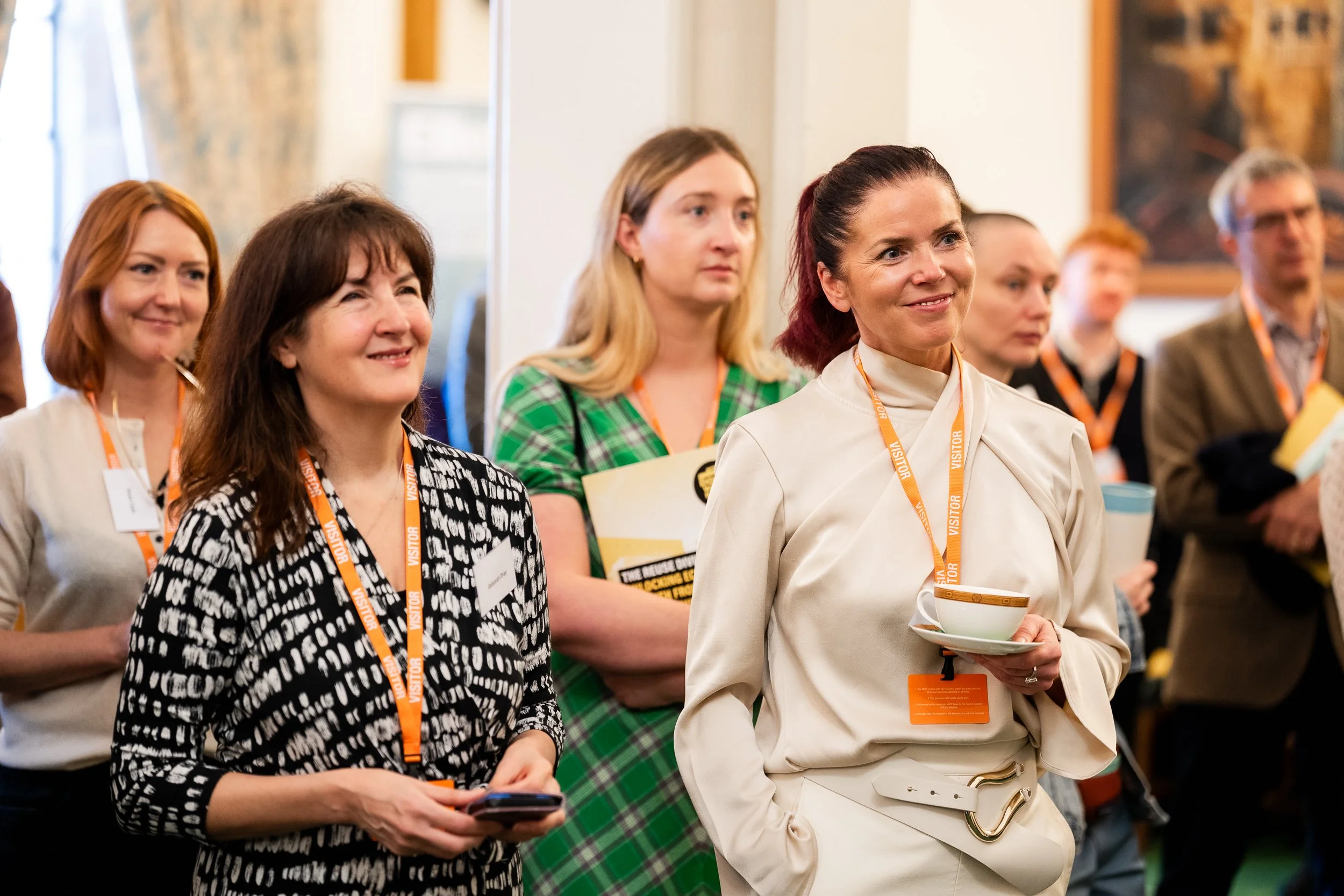
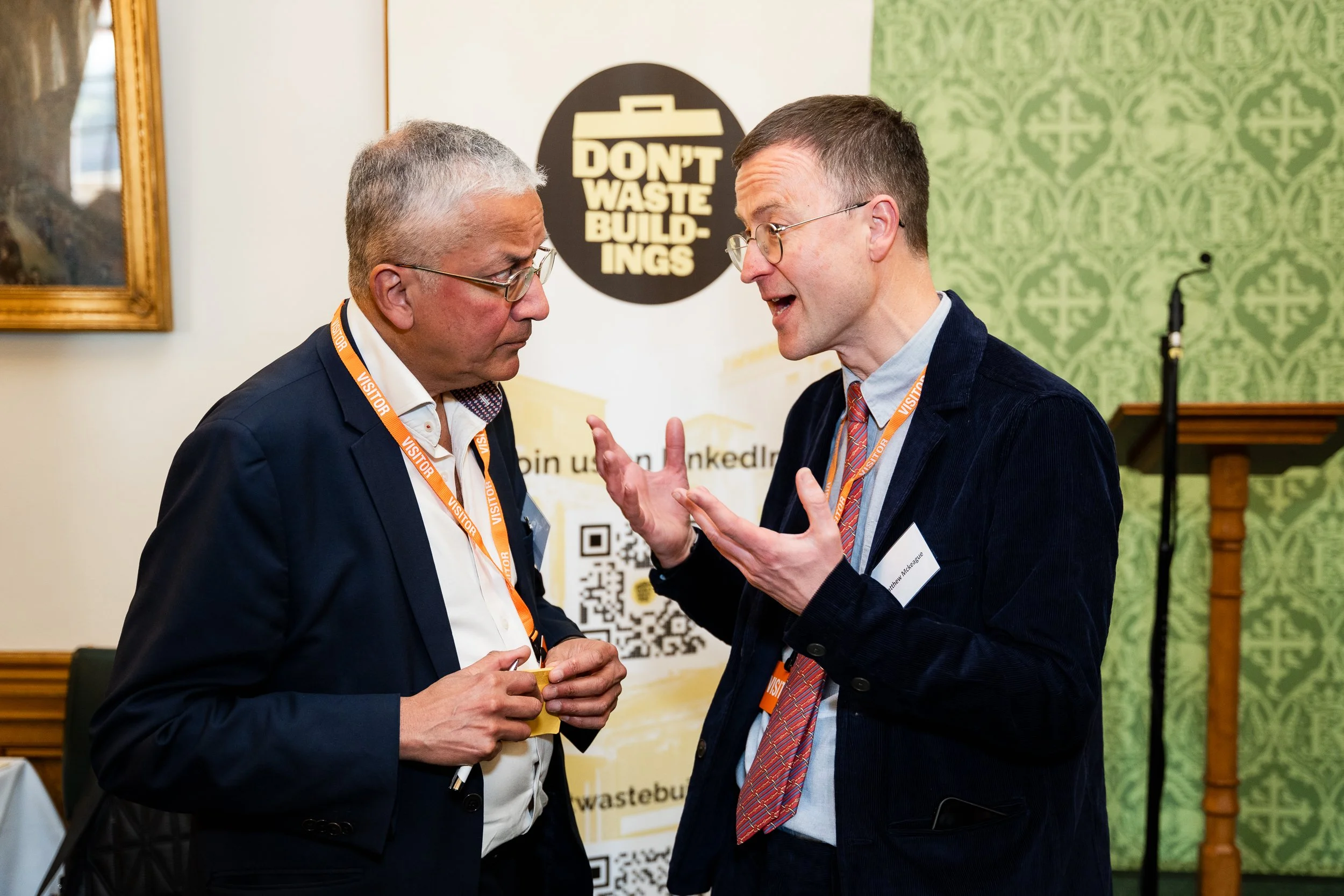
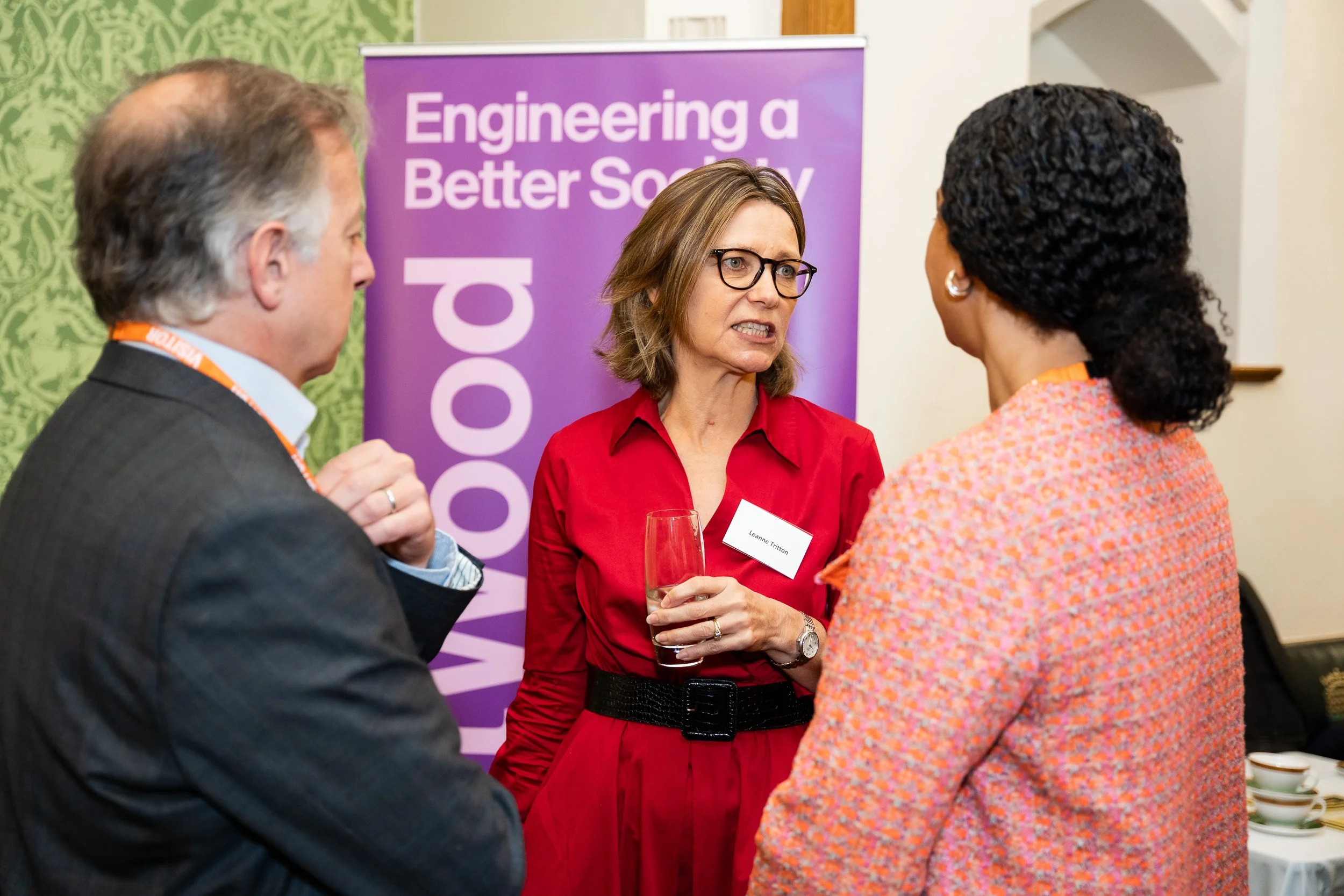
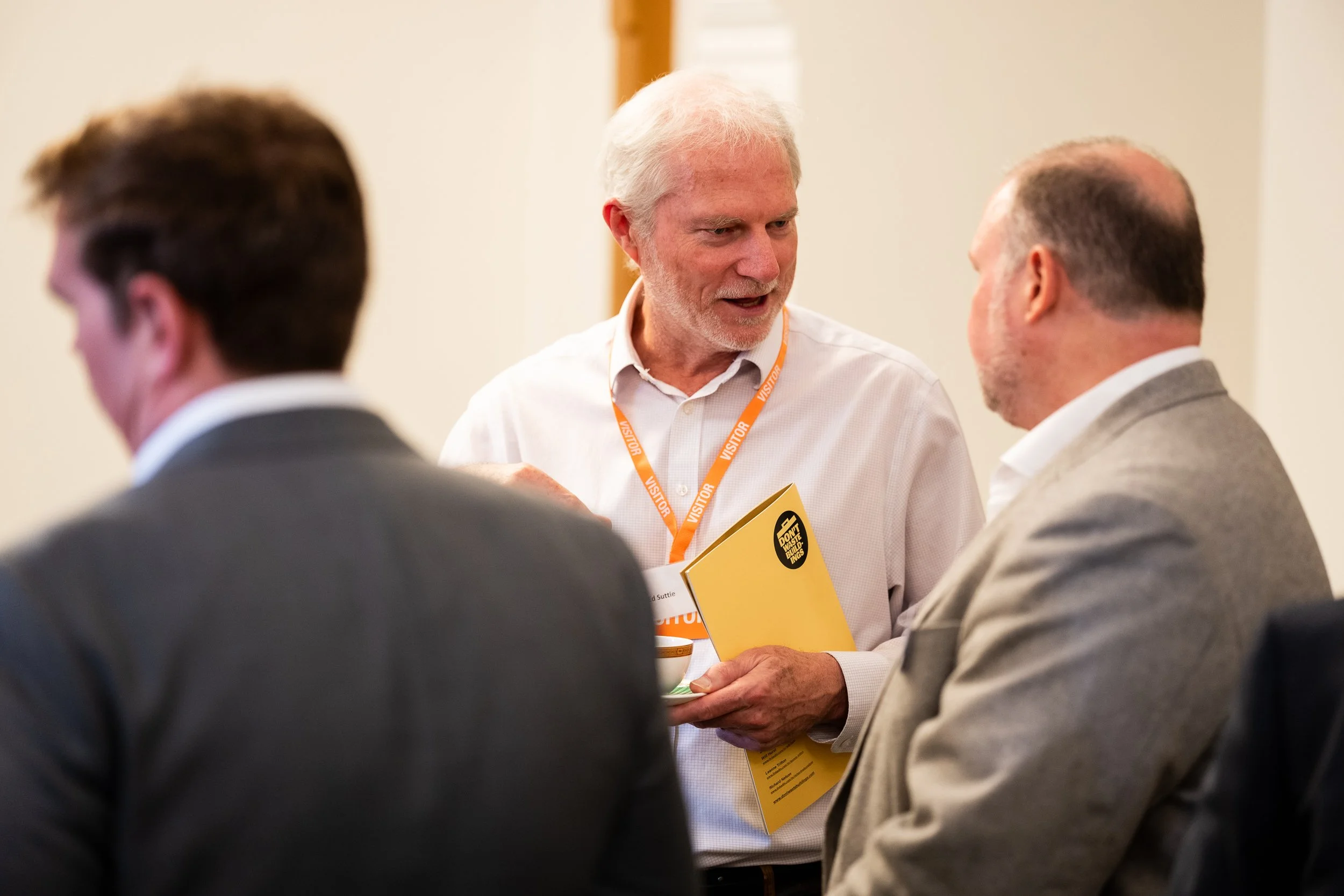
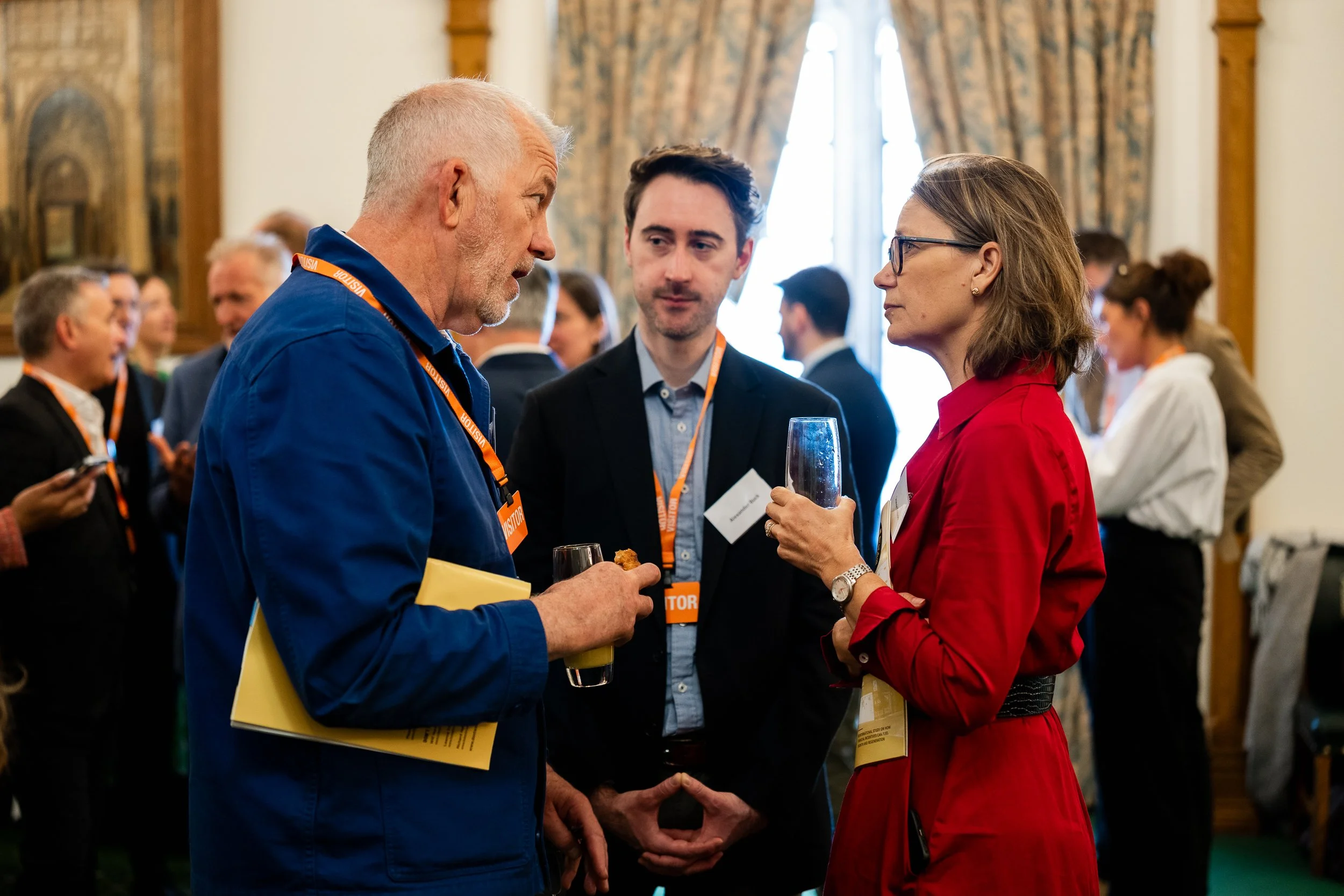
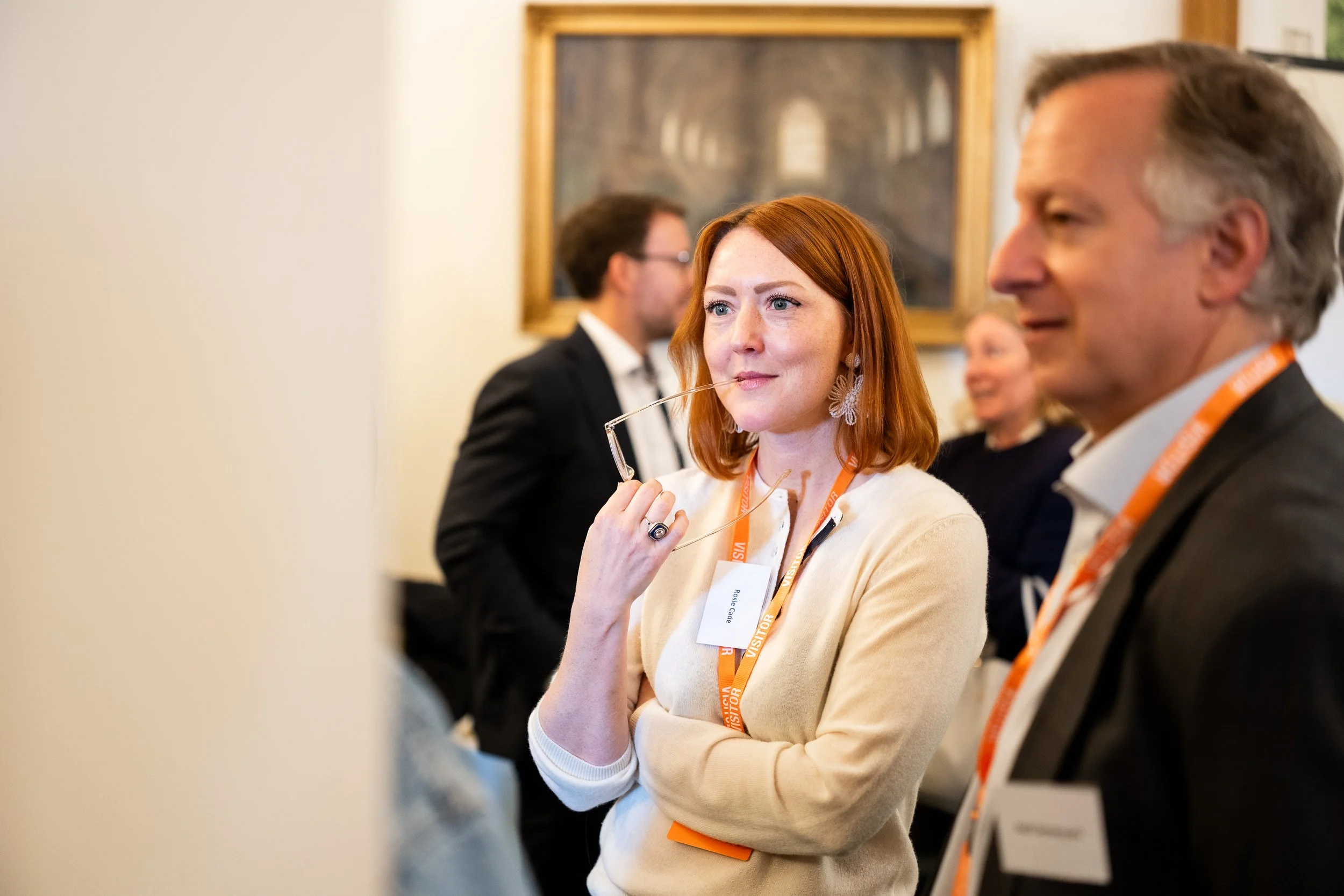
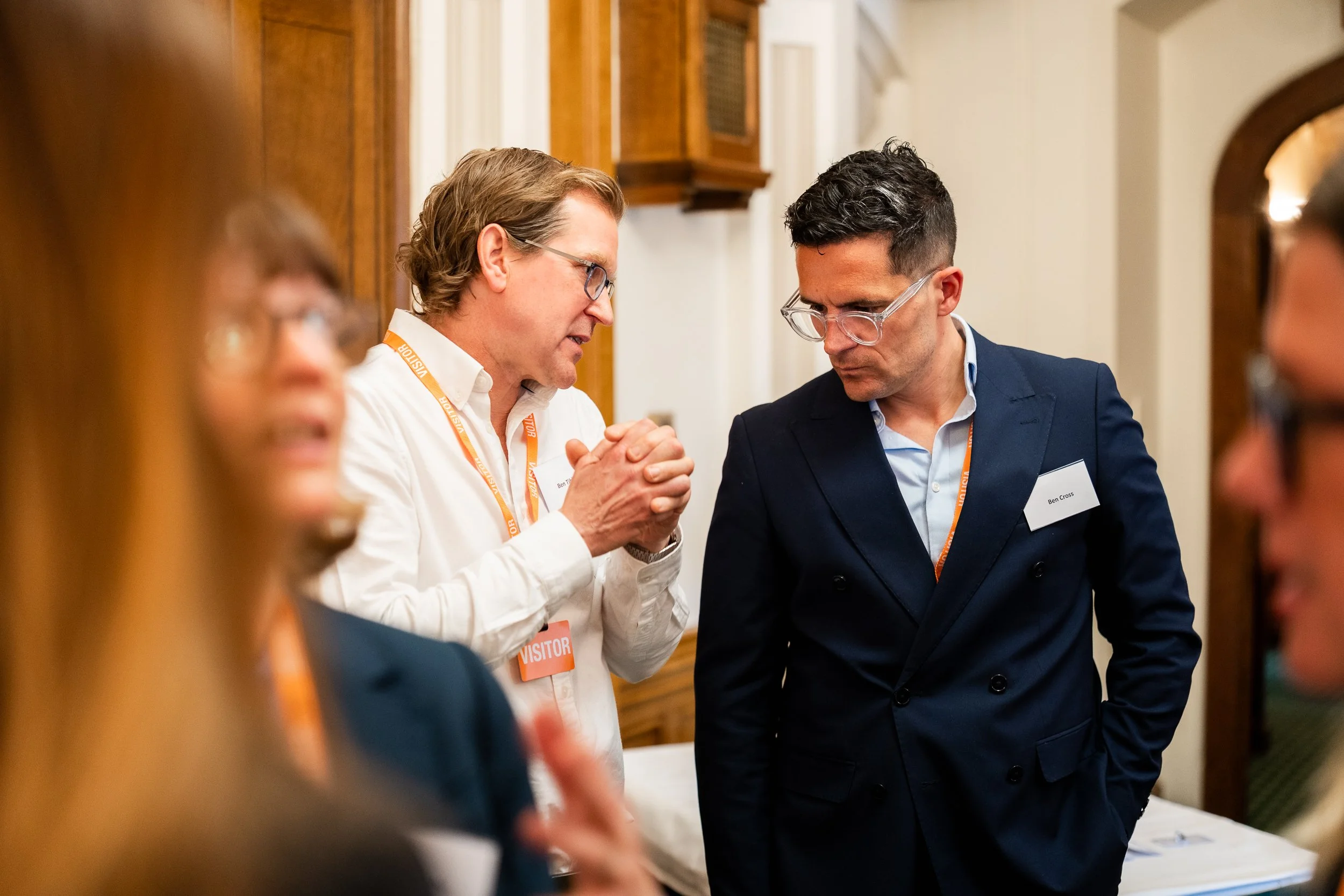
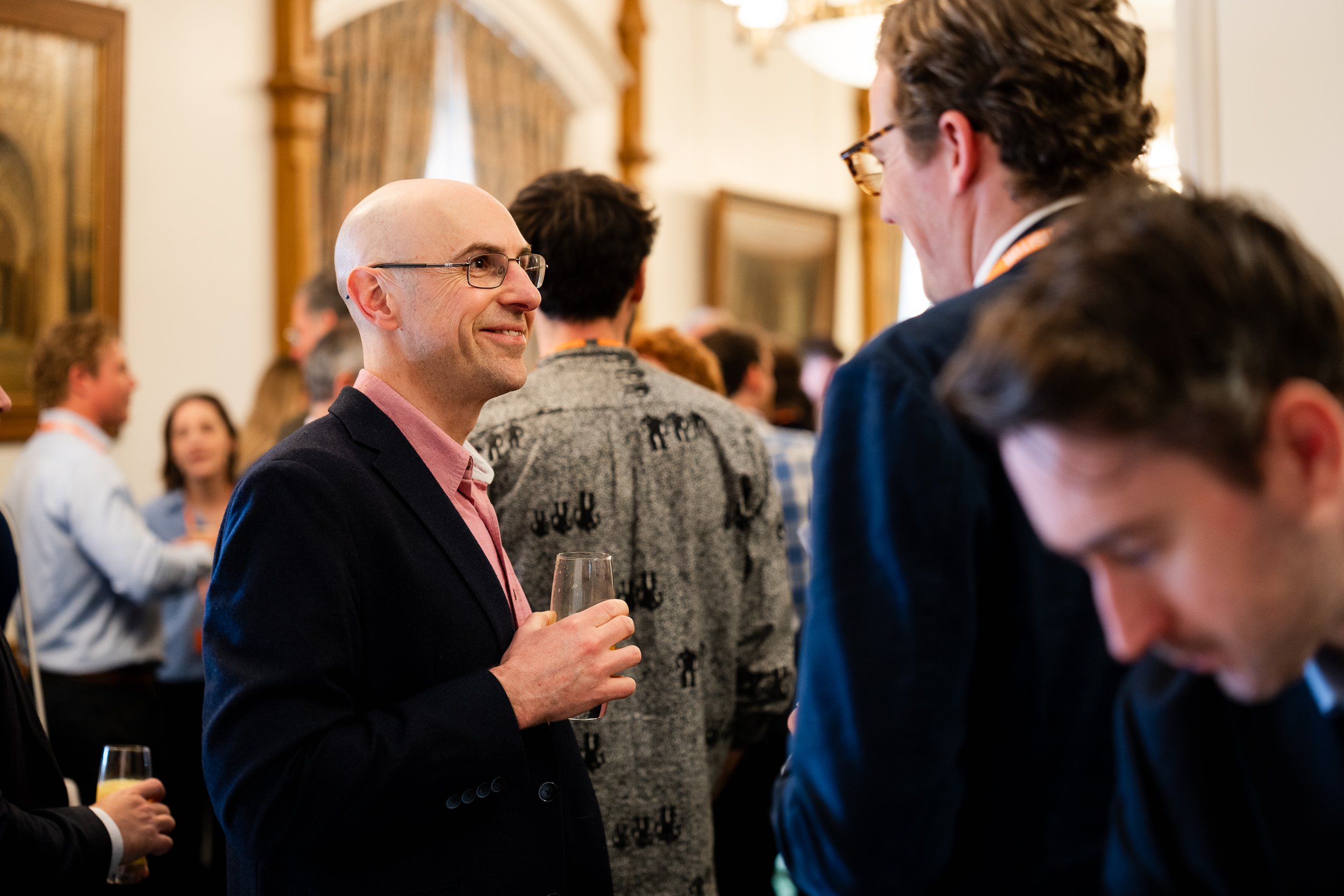
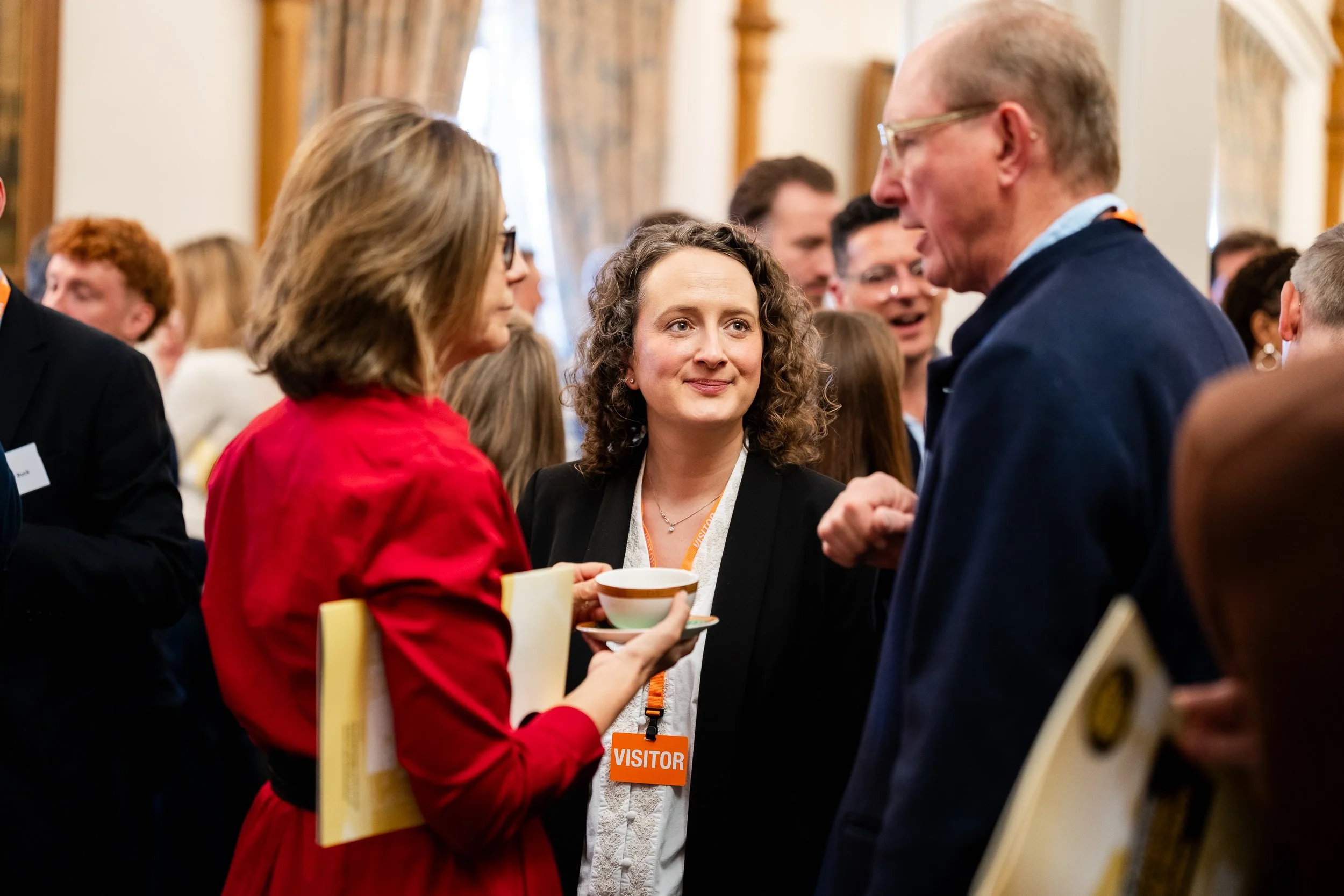
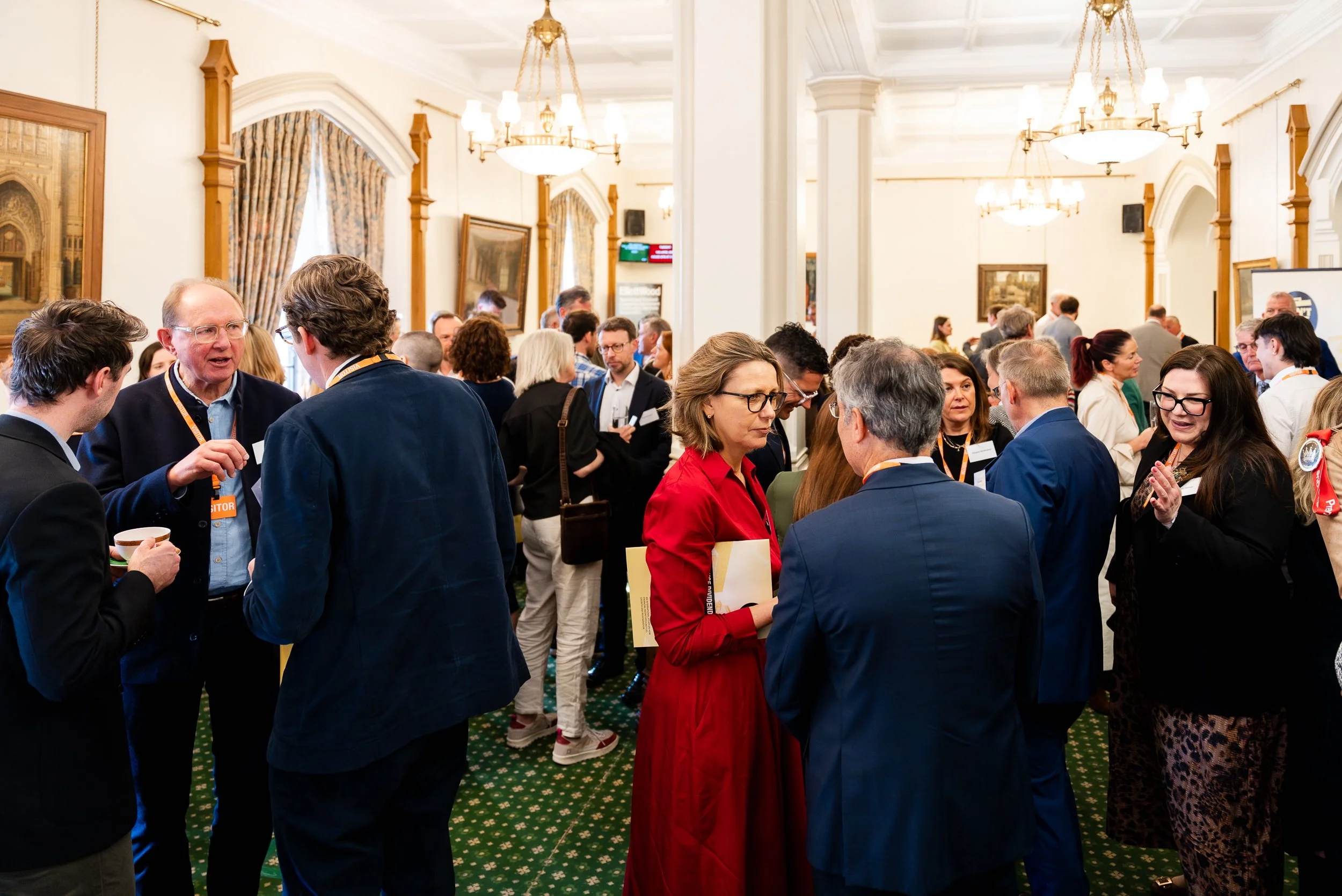
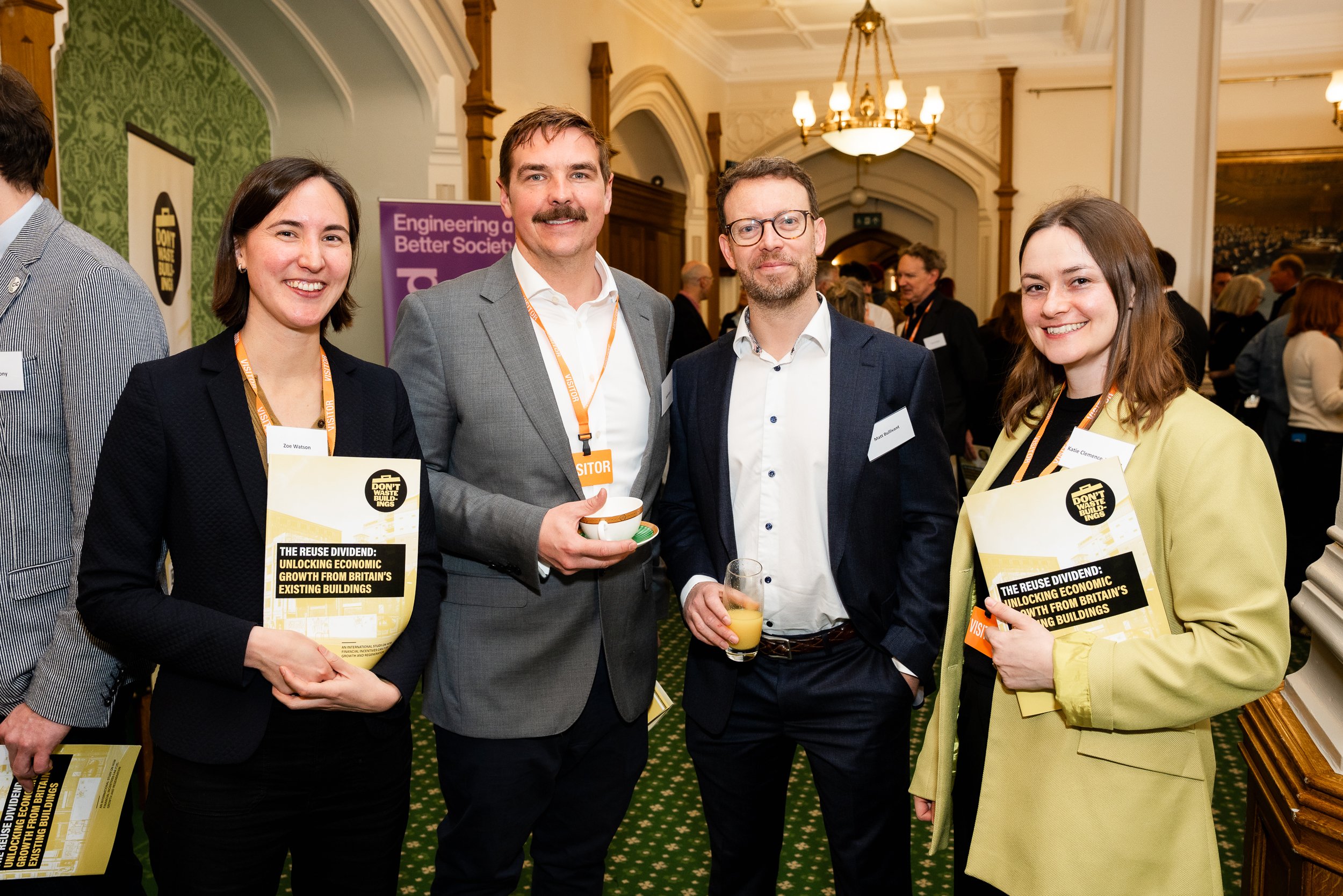
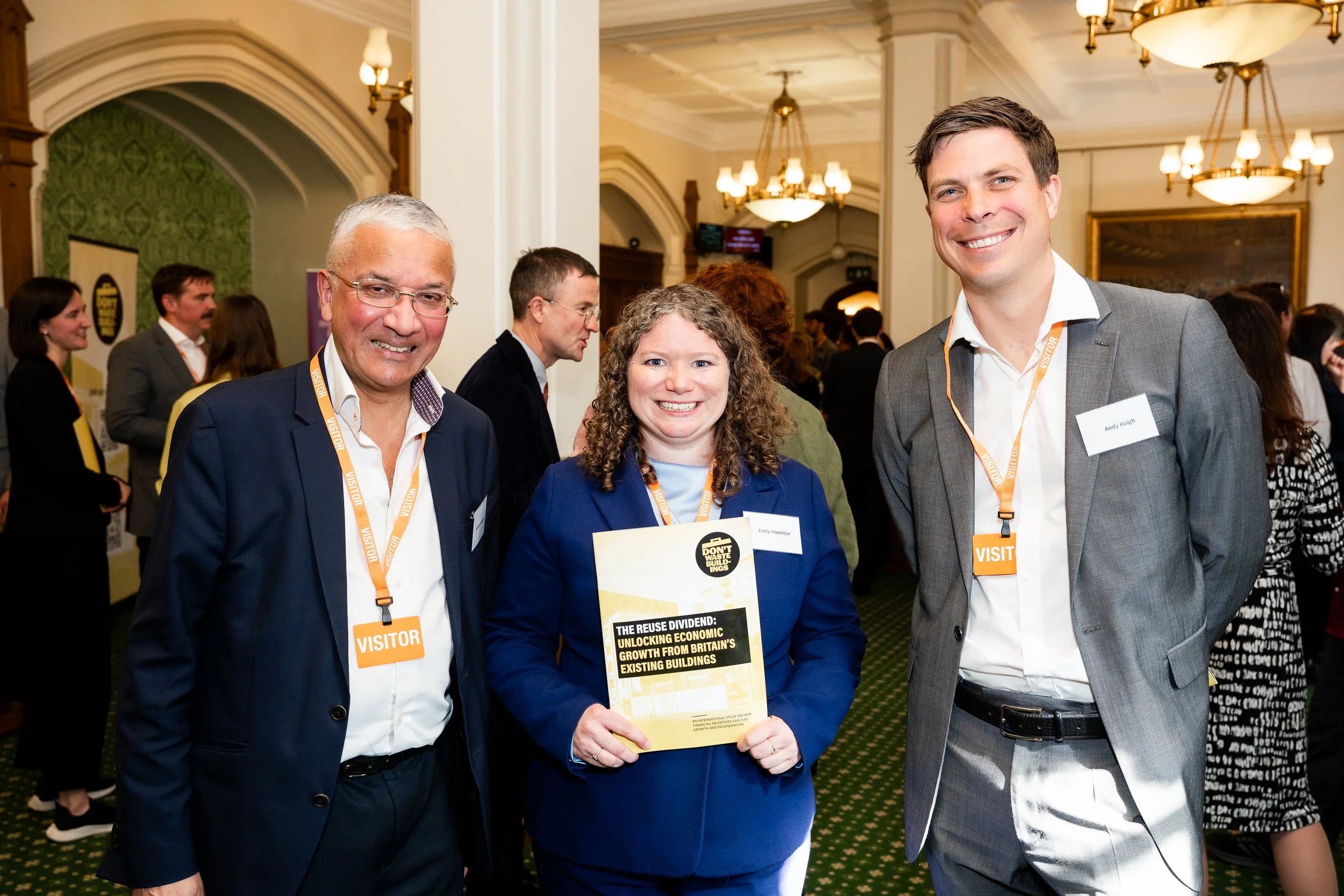
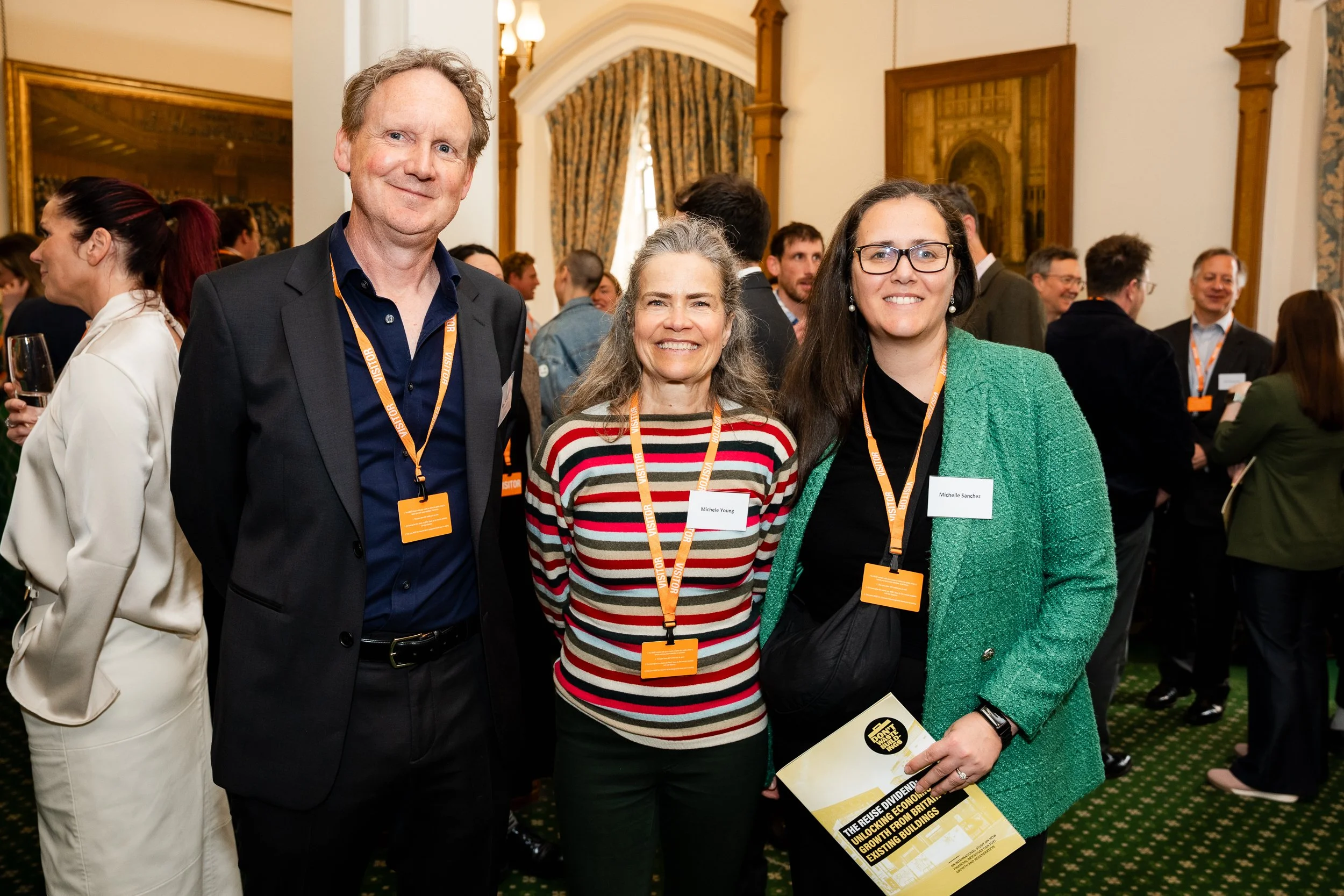
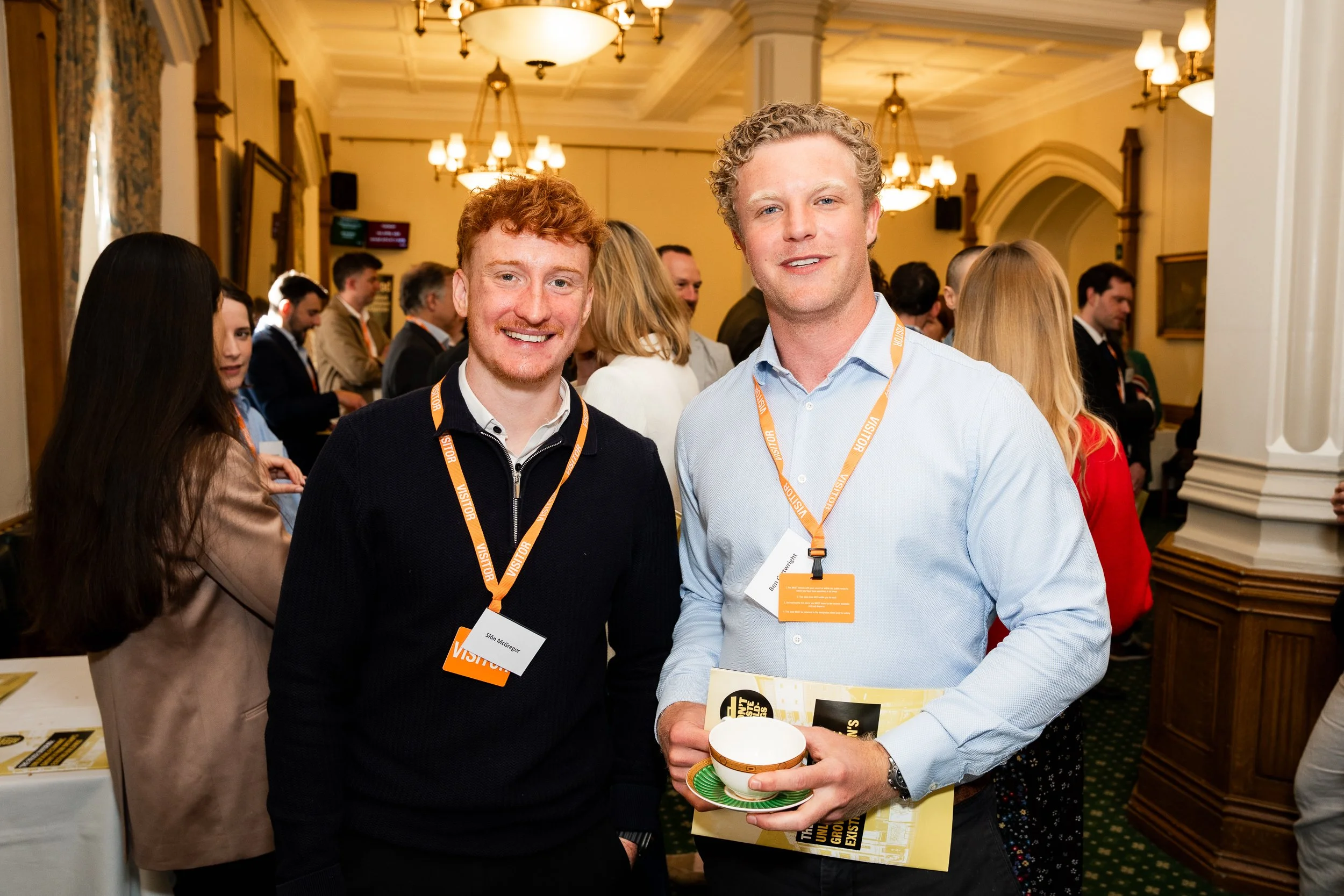
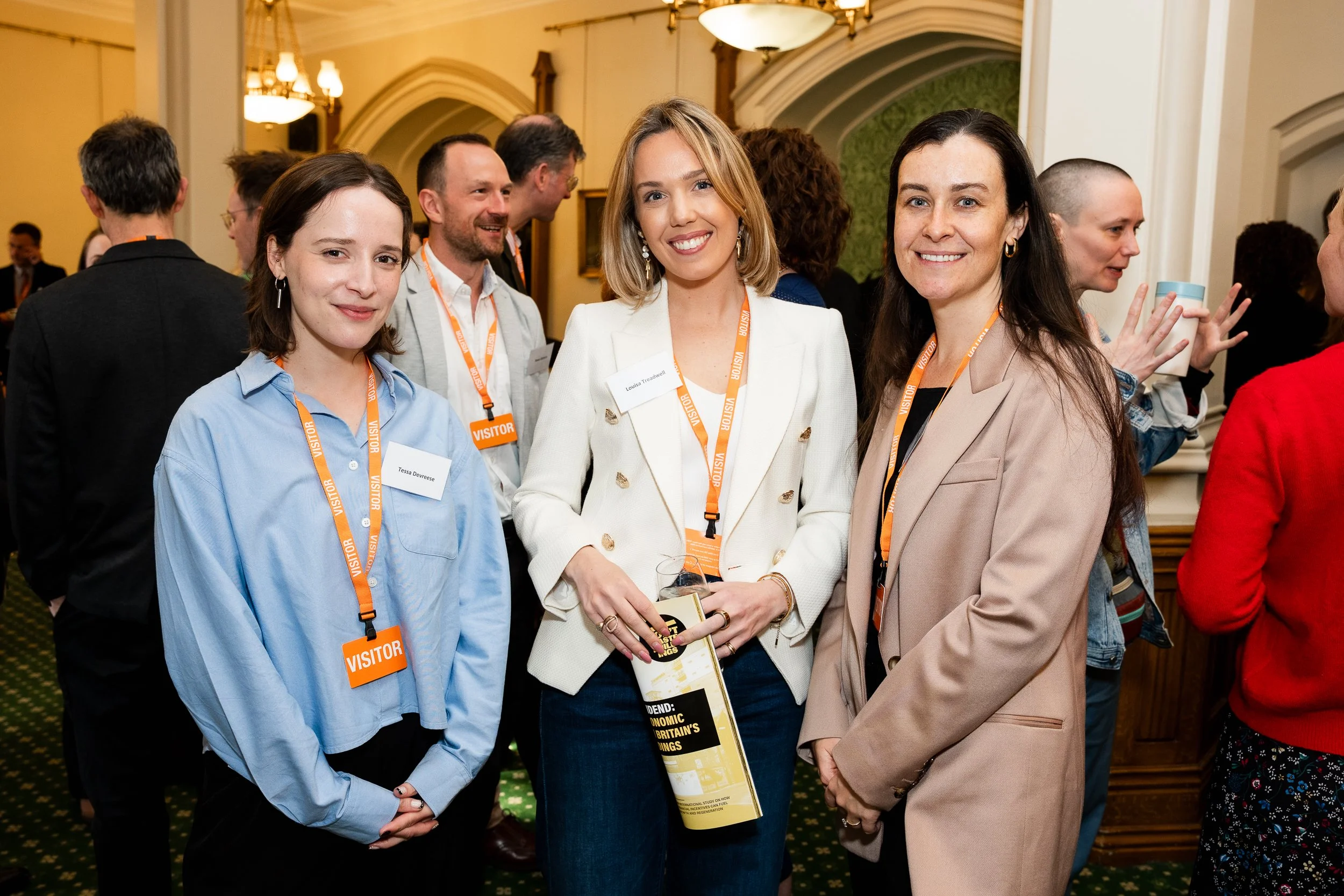
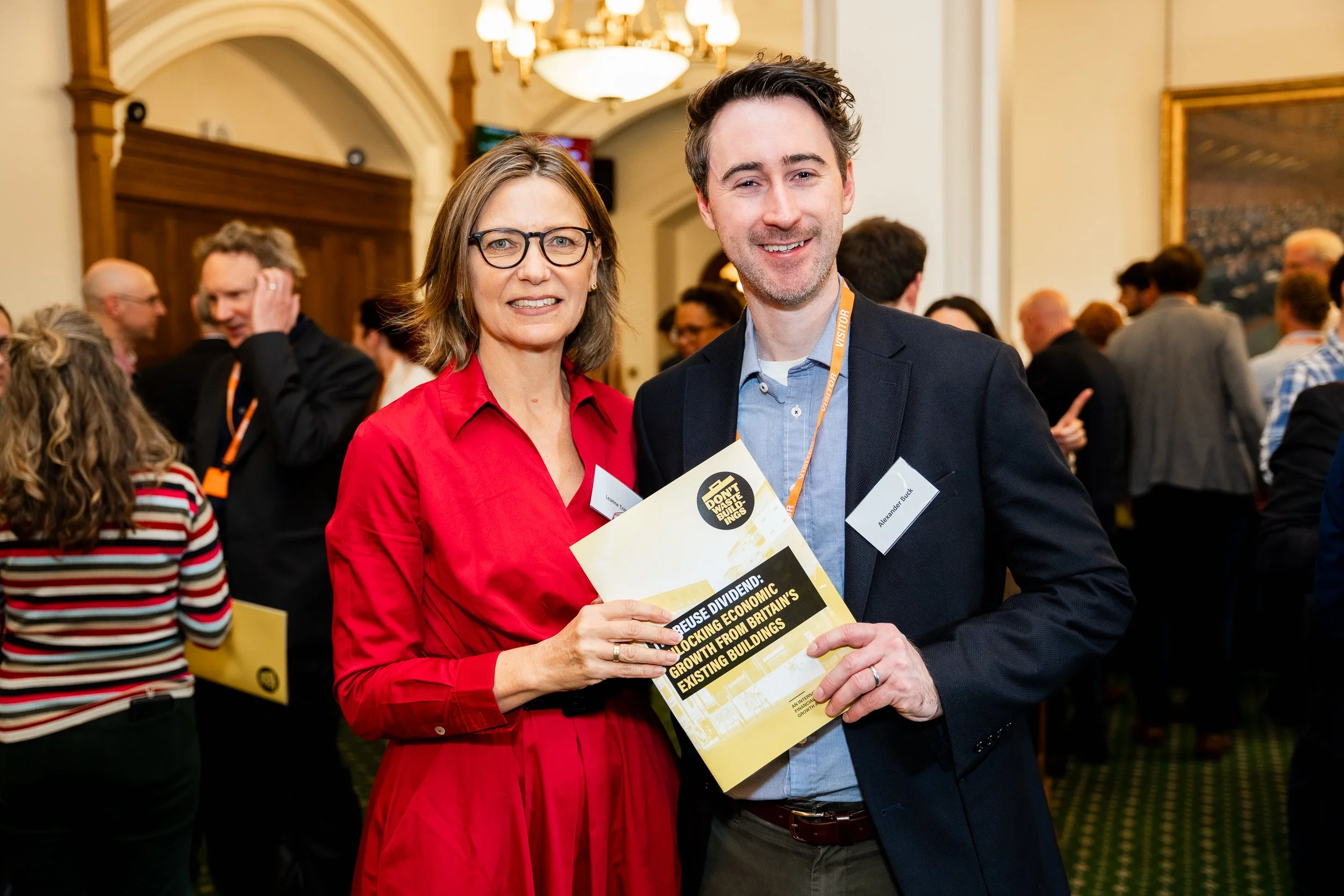
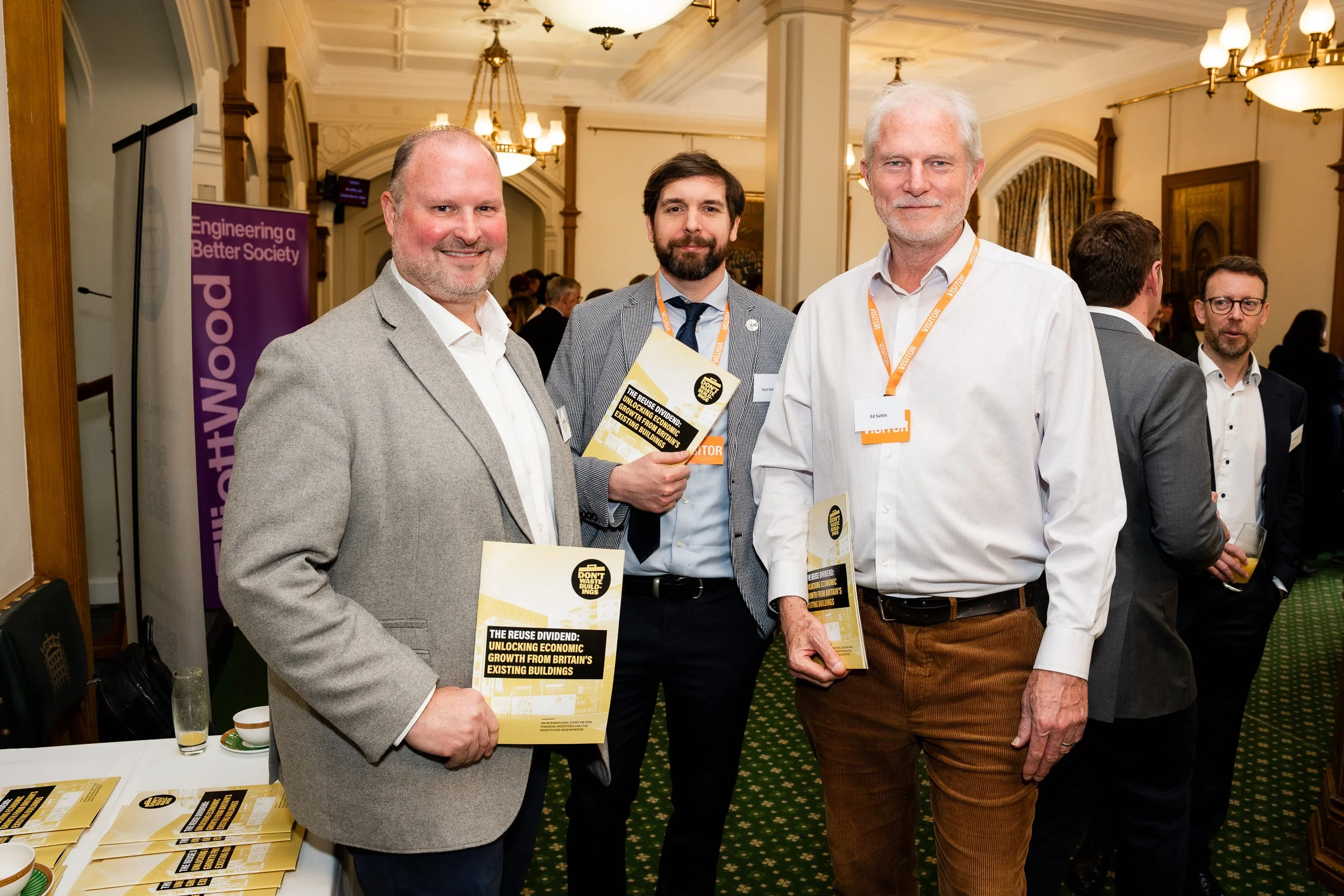
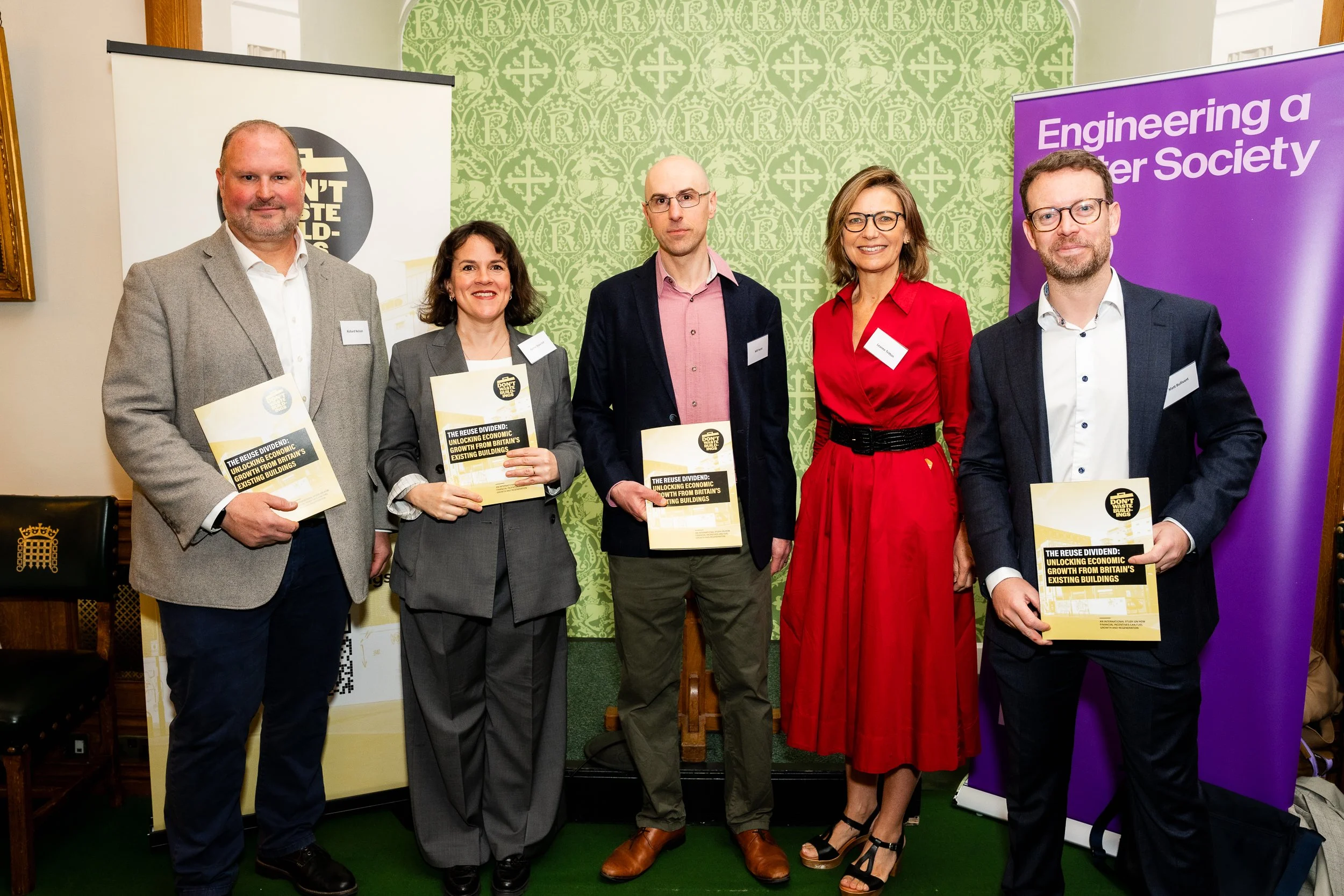
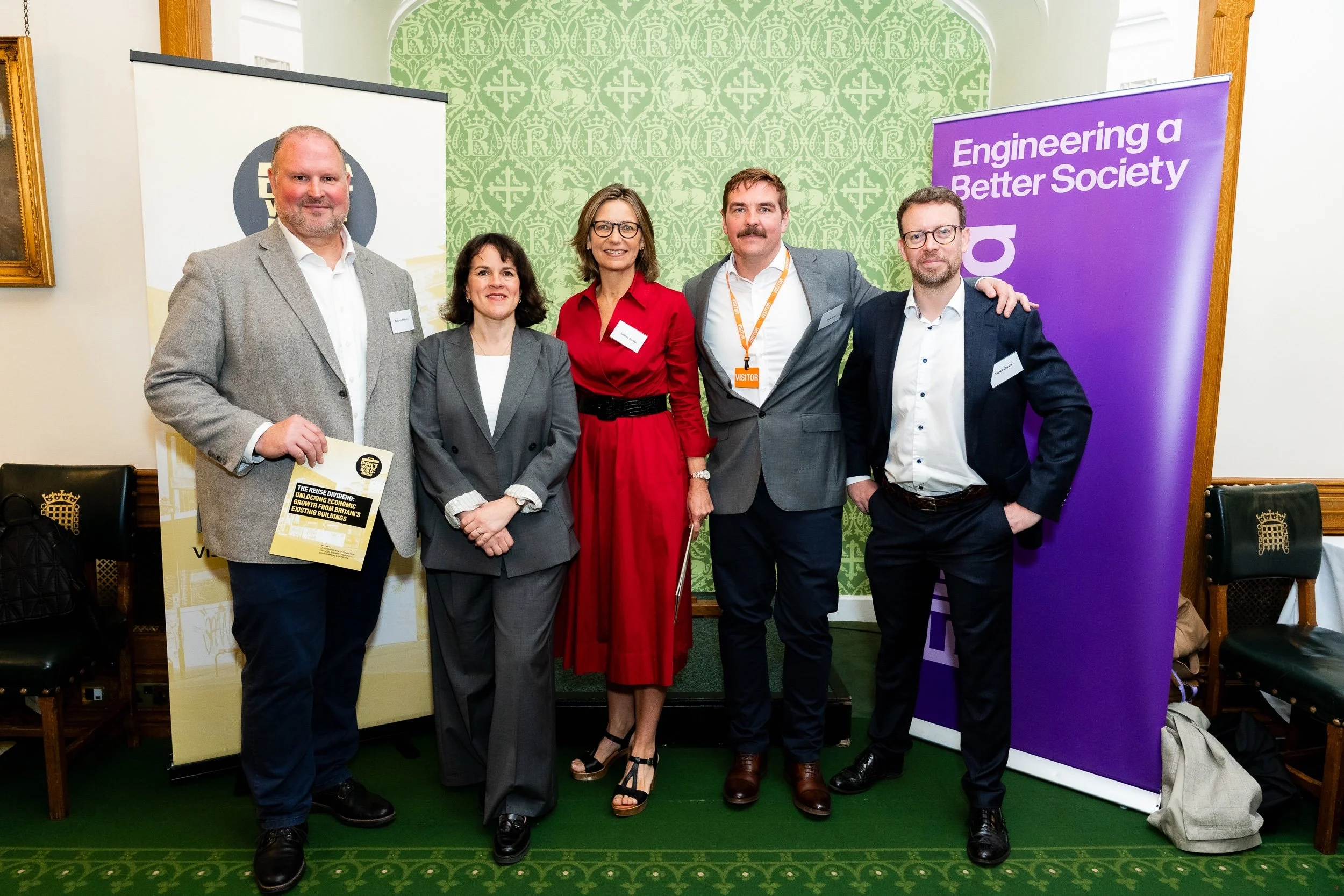
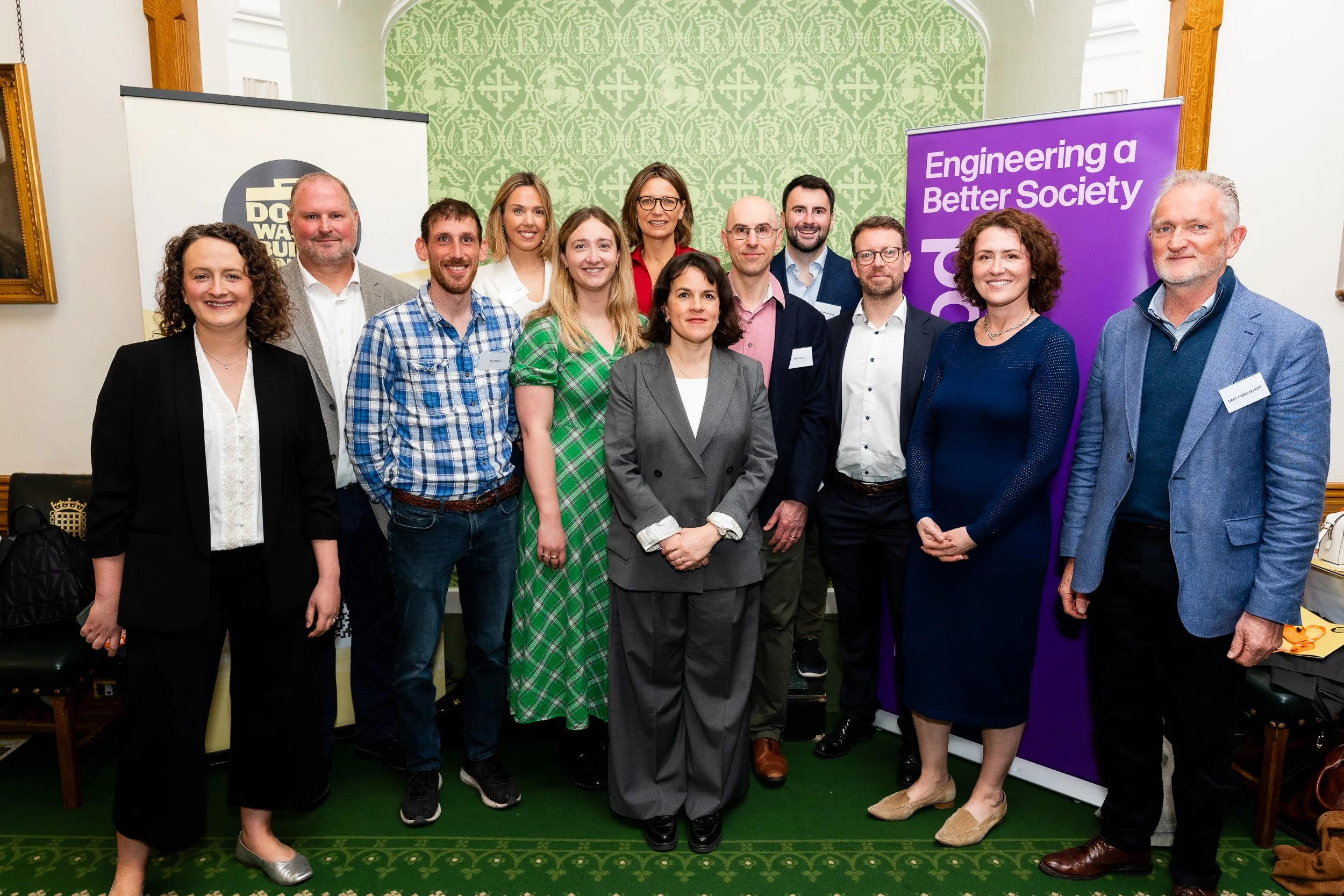
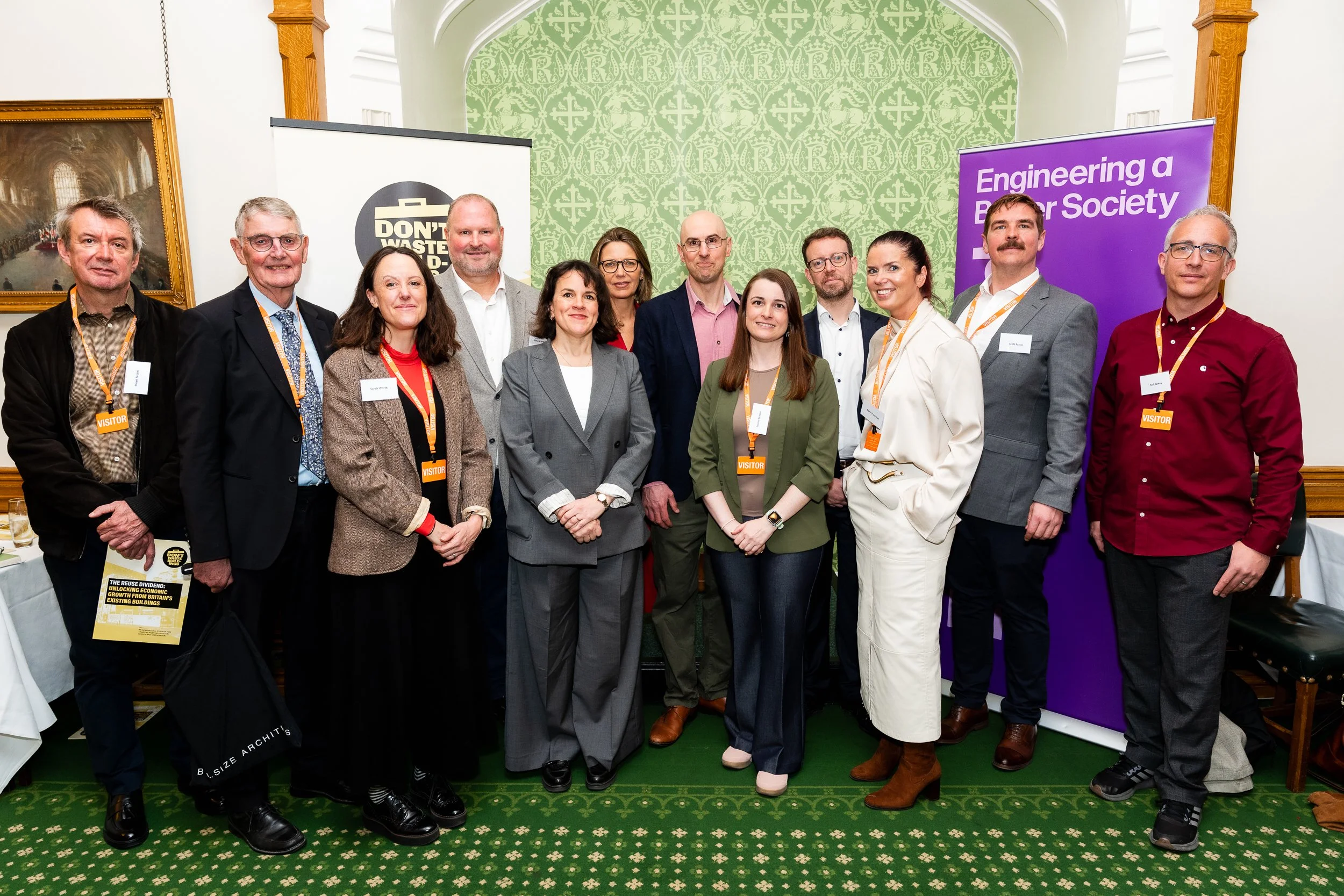
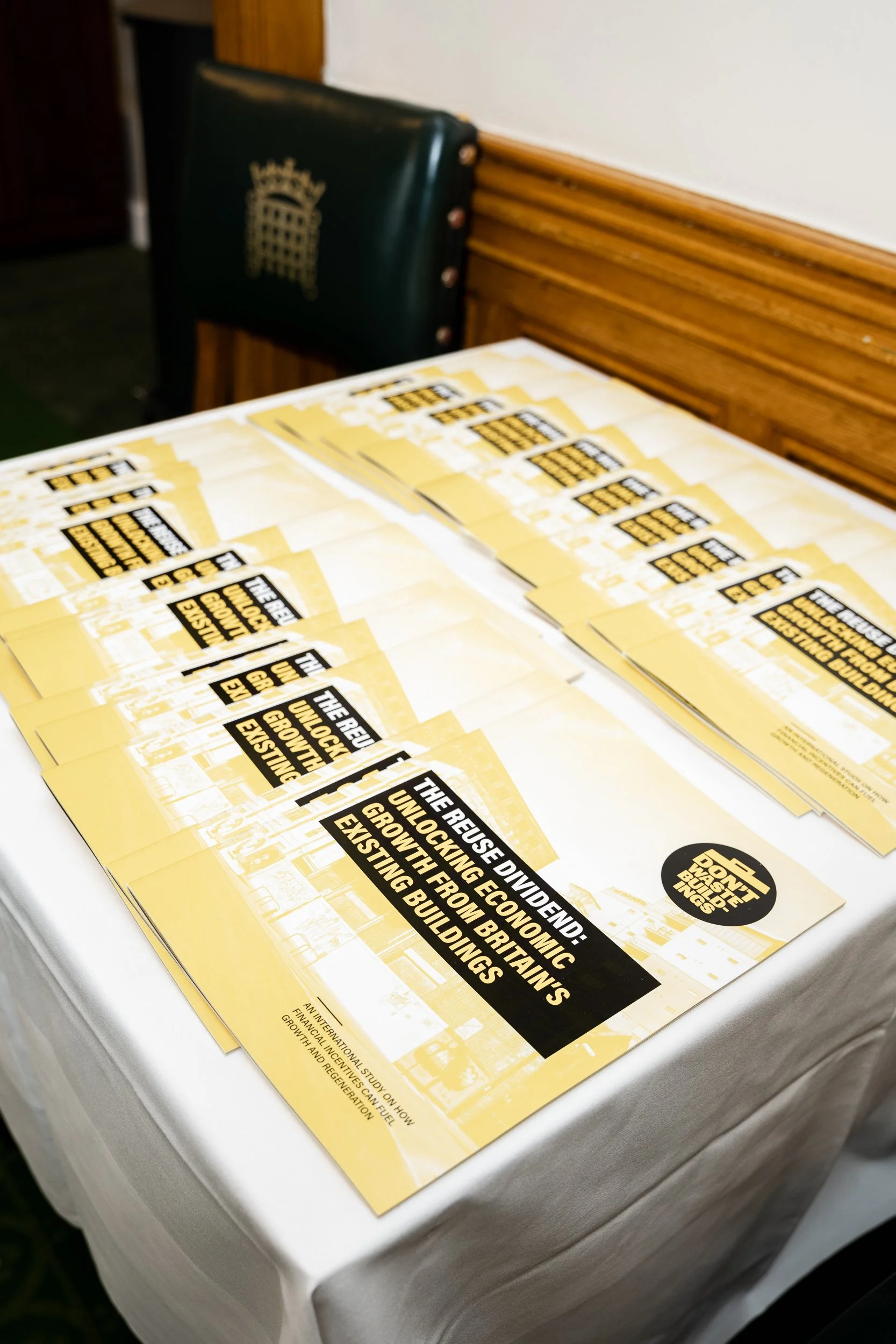
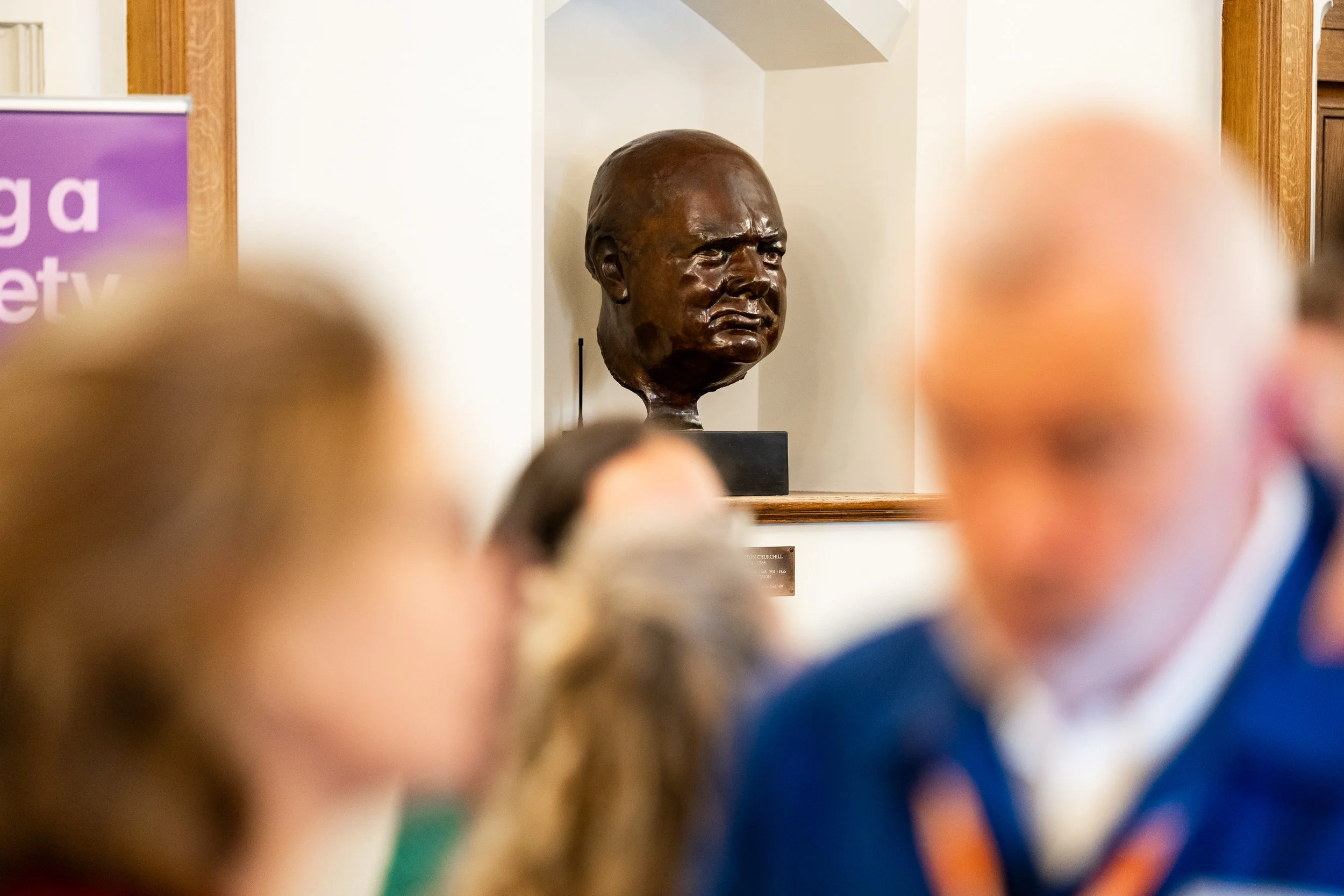
We launched our report, The Reuse Dividend: Unlocking Economic Growth from Britain's Existing Buildings, at a reception in the Palace of Westminster on 14 April, hosted by Labour MP Rachel Blake.
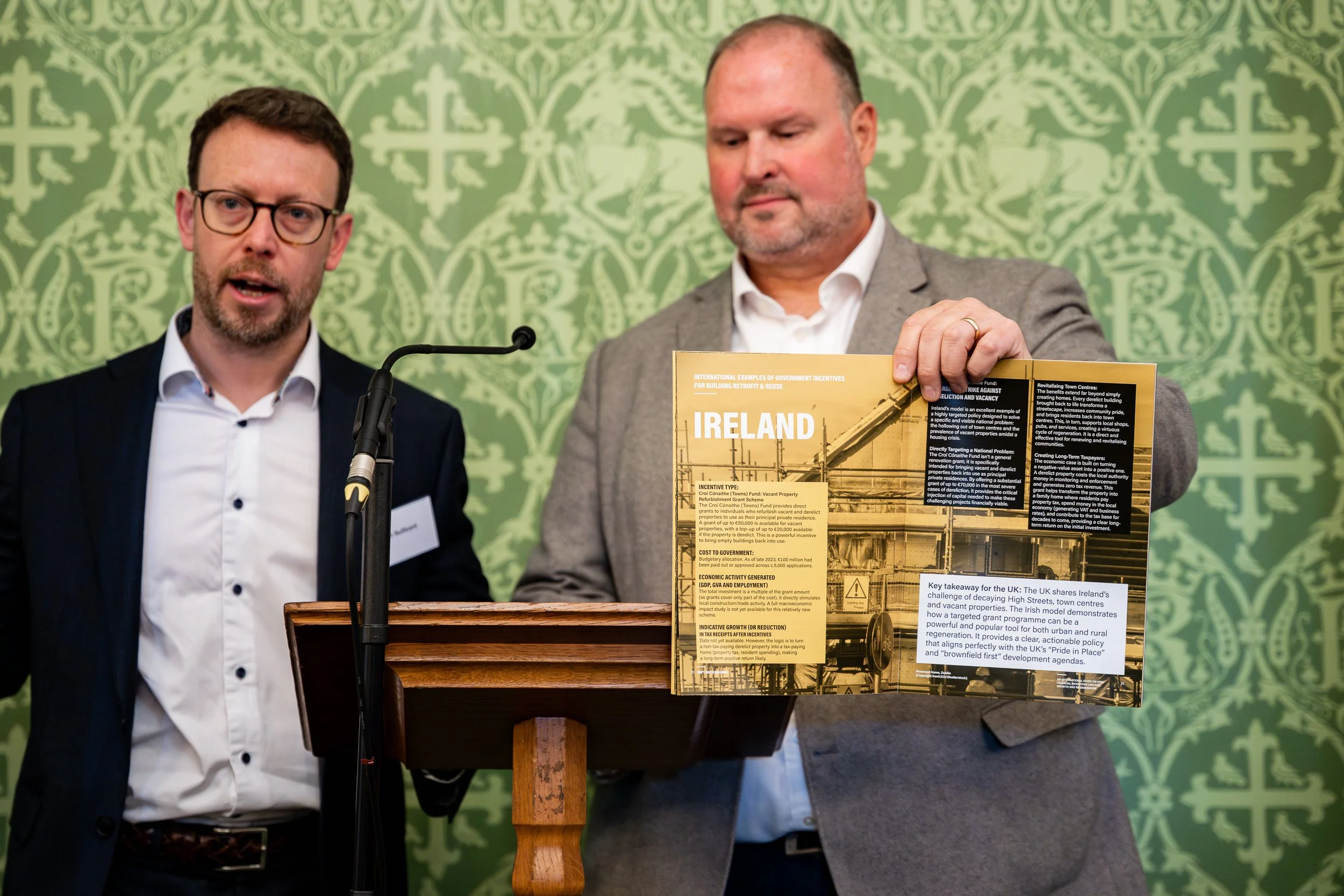
The report analysed financial incentives used across eight developed economies — including France, Germany, the United States and Ireland — and found a proven blueprint that Britain has failed to adopt.
Central to the group's concerns is what it calls a "perverse incentive for demolition over renovation": retrofit projects currently attract 20% VAT, while new-build housing pays zero.
The report identifies this disparity as the single most impactful barrier to building reuse, and recommends four complementary measures to address it:
Levelling the VAT playing field
Tax credits or relief, such as introducing capital gains tax relief and stamp duty discounts for bringing vacant buildings back into use while meeting sustainability quality measures
Creating targeted grants for struggling high streets and derelict buildings; and
Subsidised finance: Establishing long-term low-interest loans with repayment grants for deep reuse projects through the National Wealth Fund, or a similar institution
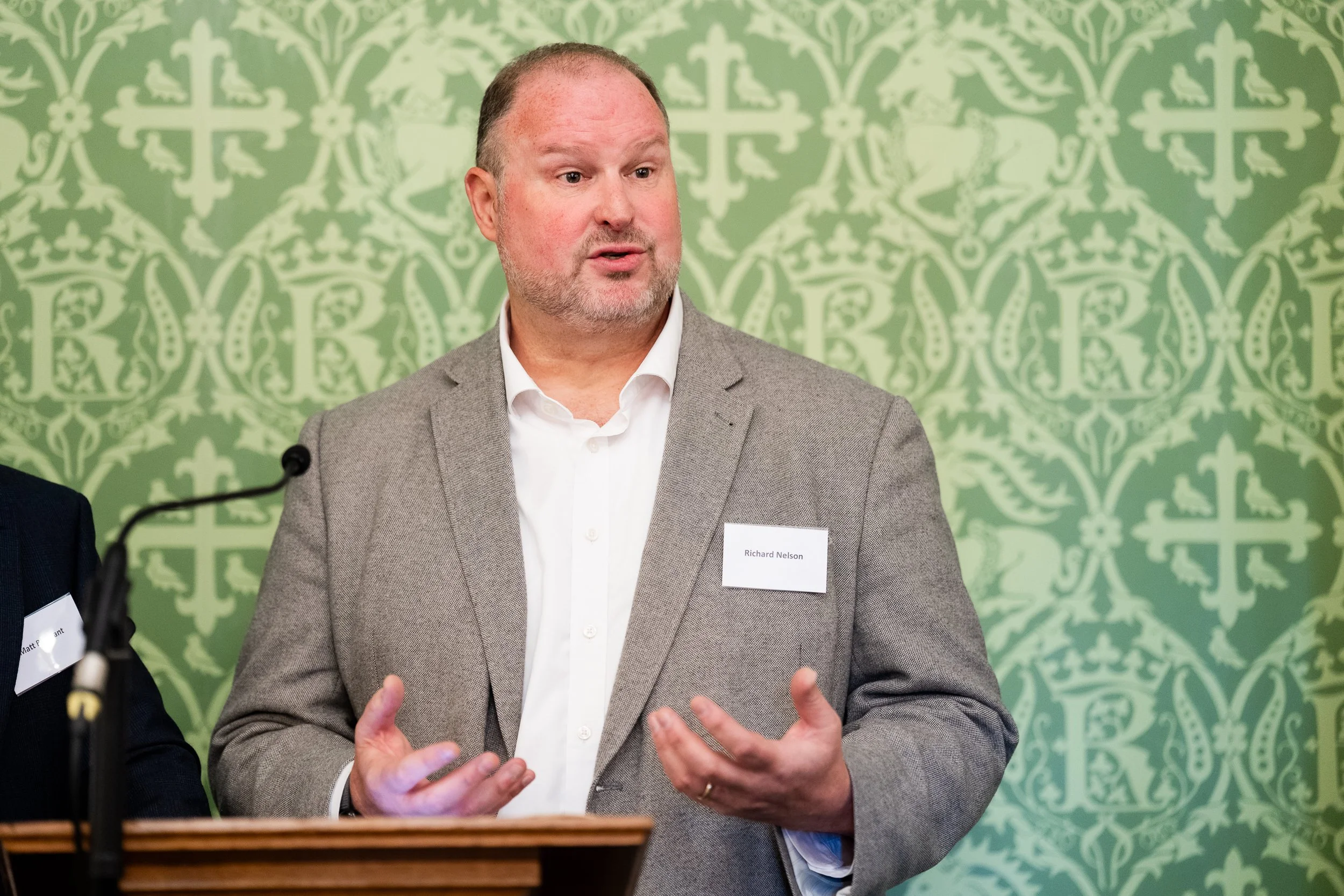
Report lead author and DWB co-founder Richard Nelson said: "A single empty building on a main street can define whether that street feels alive or forgotten. The opportunity is extraordinary. The only thing stopping us is the way we tax it."
The report also cites Historic England research suggesting that converting empty buildings over 100 years old could deliver up to 670,000 new homes.
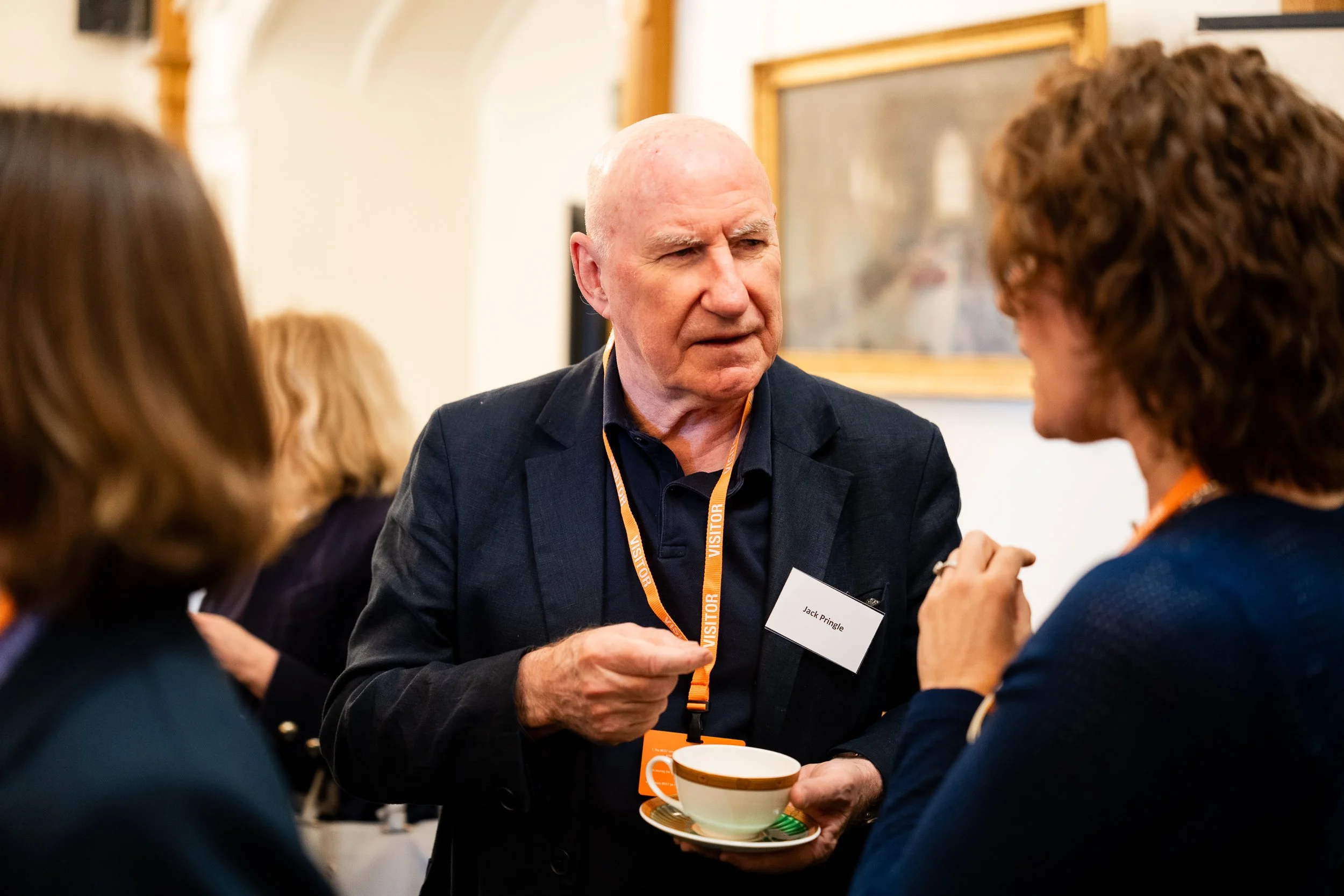
RIBA Board chair Jack Pringle, who attended the launch, described the VAT disparity as "perverse" and called on the Treasury to act, while a government spokesperson pointed to existing energy-saving VAT reliefs and the £15 billion Warm Homes Plan as current measures in place.
Photos by Bini Nandra, Kreative Barn