

Case Studies
-
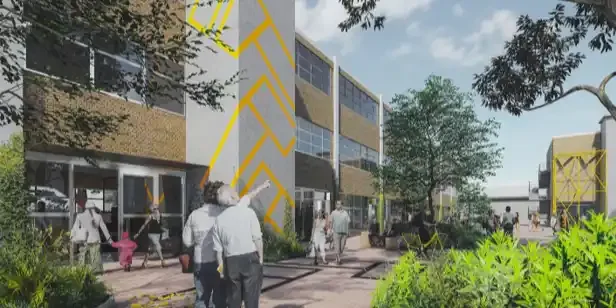
BRUDI Building, Melbourne
6 May 2026 – Adam Trevaskus, Co-Founder & Director of Impact Neighbourhoods, took us round the fabulous BRUDI regeneration project in Brunswick, Melbourne, an exemplar in what can be achieved through building re-use to re-activate a community and neighbourhood. Adam shared this story of transformation: how a former high school went from A$50K annual liability for the local council to a A$400K revenue-generating asset over 5 years, without council capital required.
-
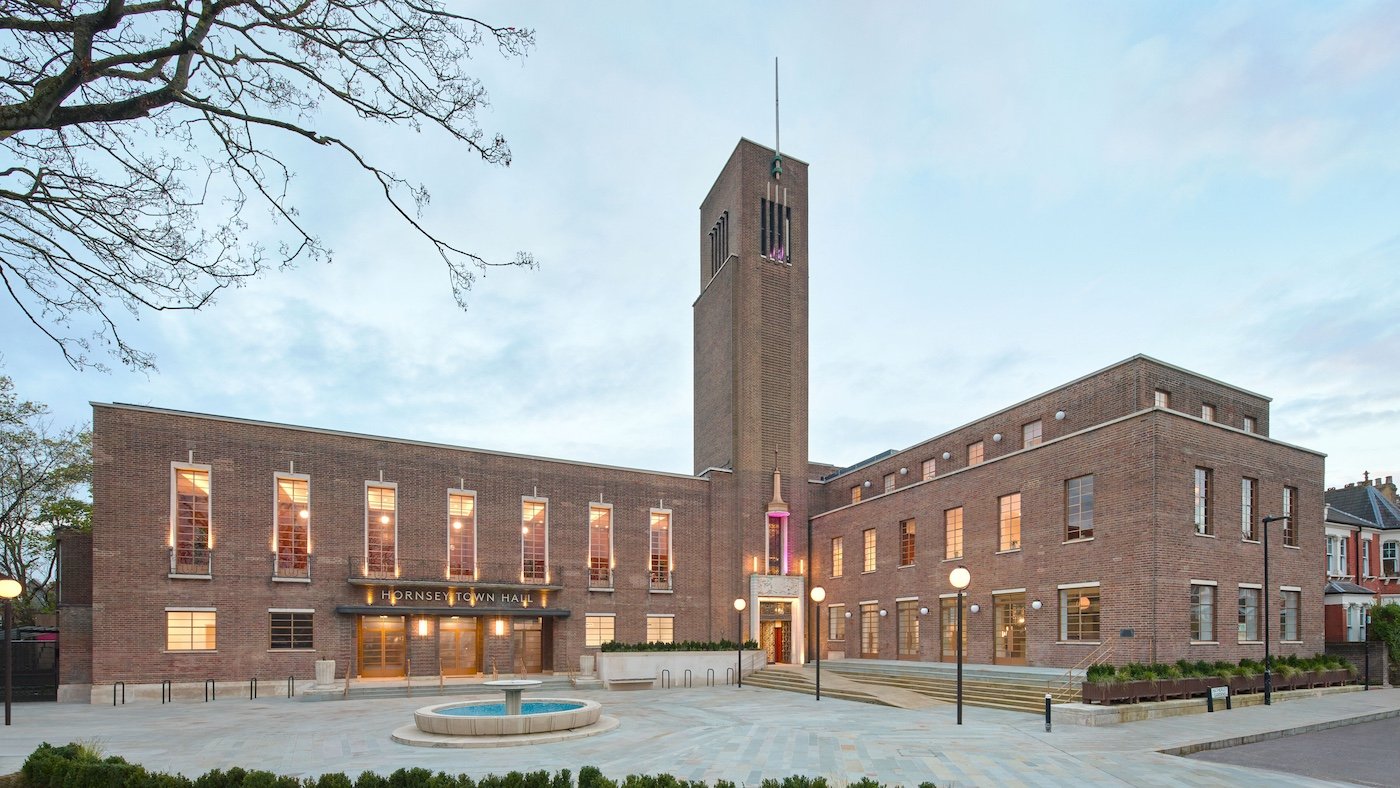
Hornsey Town Hall, London
23 Jan. 2026 – Our first UK case study tour of 2026 took in the Grade II* listed Hornsey Town Hall in Crouch End, London, by developer FEC and architects Make, which has been removed from Historic England's Buildings at Risk Register following a comprehensive restoration that demonstrates how heritage preservation and carbon reduction can work hand-in-hand through building retrofit.
-
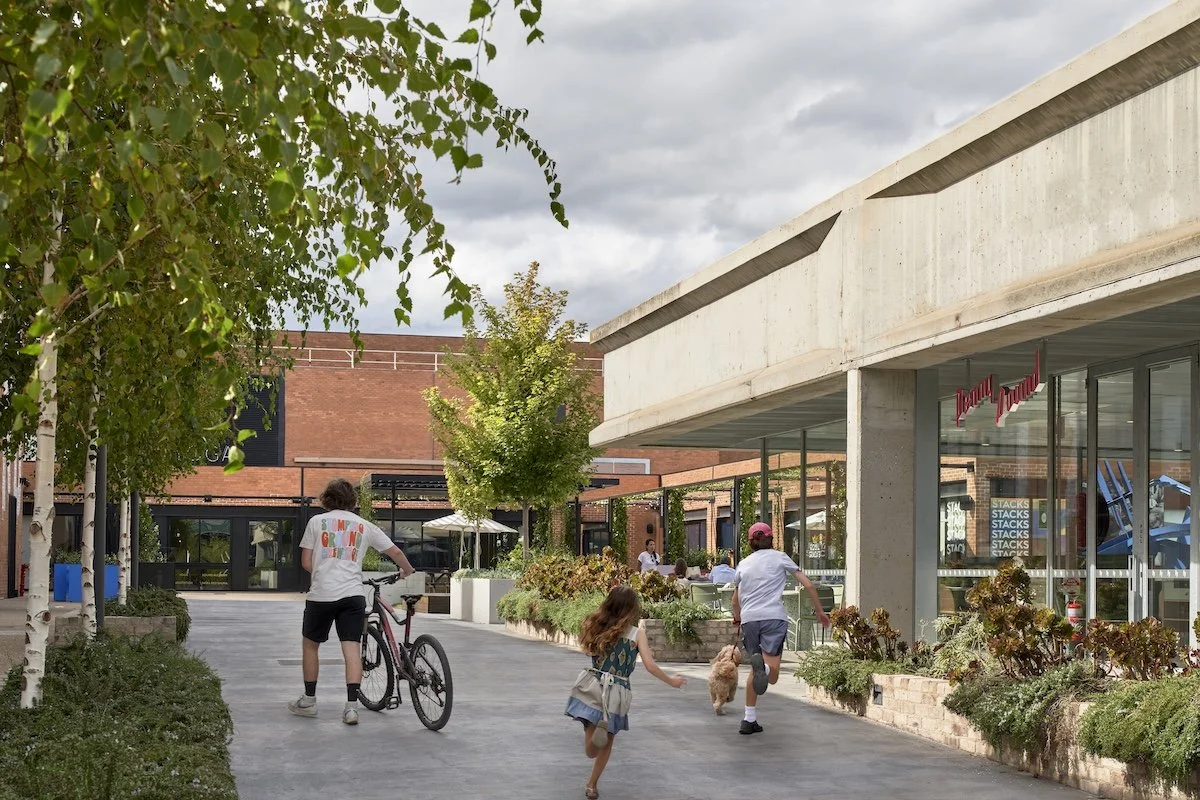
Morris Moor, Melbourne
9 Dec. 2025 – Our first Australia case study, this once powerhouse of manufacturing in Moorabbin, the former Philip Morris site is now Morris Moor — a bold, design-led neighbourhood, buzzing with life. Across 6.3 hectares and more than 50,000sqm of built form, Up Property along with architects Genton, Clarke Hopkins Clarke, Made For, and RITZ&GHOUGASSIAN transformed a relic of the past into a future-facing precinct, full of character and impossible to replicate.
(Photo - Up Property/Genton). -

Neptune Mill, Manchester
3 Oct. 2025 – For Don’t Waste Buildings’ first ever Manchester-based case study tours, we were treated to a guided tour around four sites in the Piccadilly area by Tim Heatley, co-founder of retrofit experts, Capital&Centric. Neptune Mill is a Grade II listed workspace 2 mins from Manchester Piccadilly.
-

Ducie Street Warehouse, Manchester
3 Oct. 2025 – For Don’t Waste Buildings’ first ever Manchester-based case study tours, we were treated to a guided tour around four sites in the Piccadilly area by Tim Heatley, co-founder of retrofit experts, Capital&Centric. Ducie Street Warehouse is a restored warehouse turned apart-hotel, restaurant, bar and co-working hub that blends industrial heritage with hospitality and workspaces.,
-
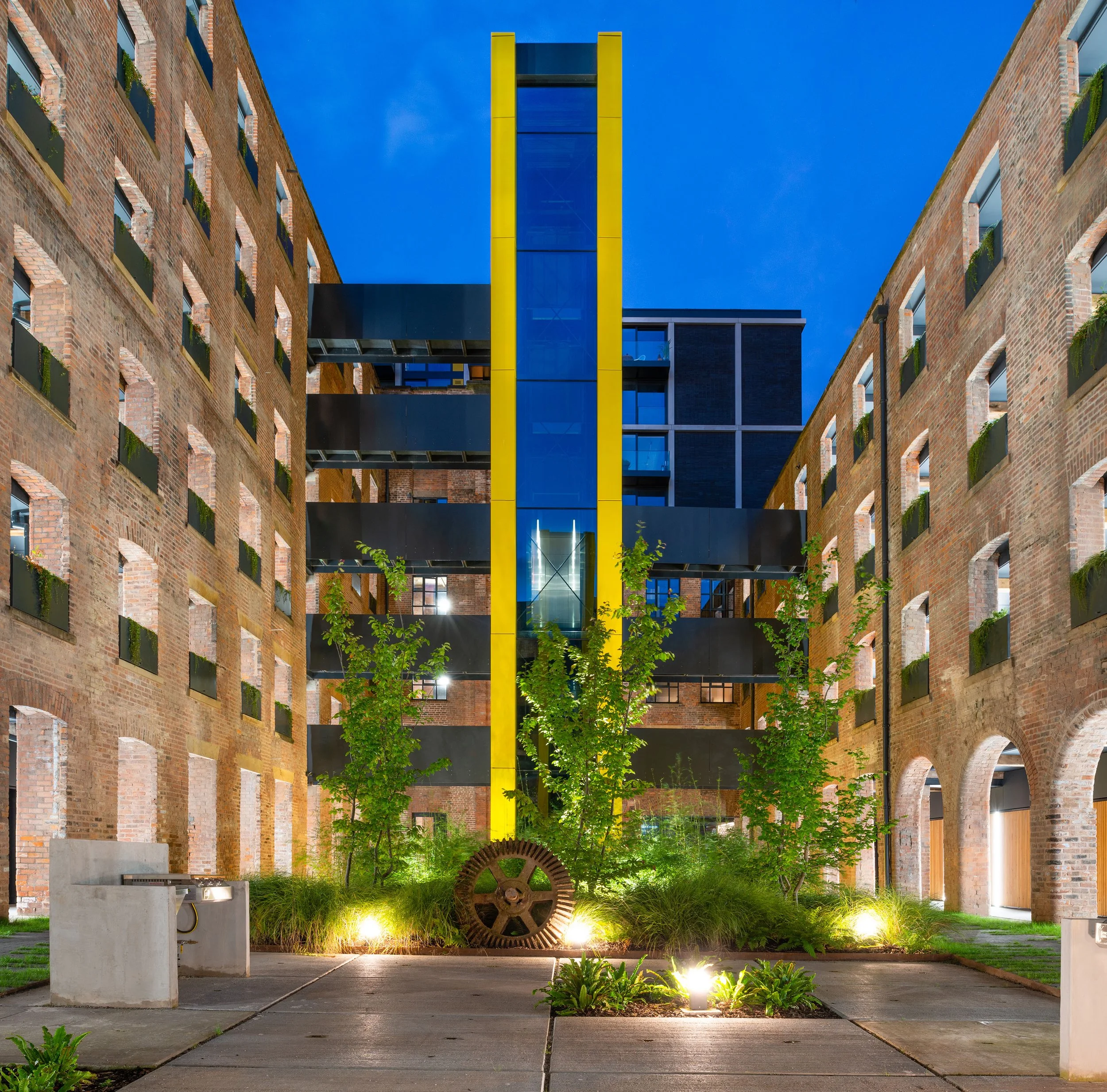
Crusader Mill, Manchester
3 Oct. 2025 – For Don’t Waste Buildings’ first ever Manchester-based case study tours, we were treated to a guided tour around four sites in the Piccadilly area by Tim Heatley, co-founder of retrofit experts, Capital&Centric. Crusader Mill is an award-winning scheme that delivers 126 apartments in a 200-year-old mill that oozes industrial character with original exposed bricks and timber beams with a lush residents garden in Piccadilly East Manchester.
-

Kampus, Manchester
3 Oct. 2025 – For Don’t Waste Buildings’ first ever Manchester-based case study tours, we were treated to a guided tour around four sites in the Piccadilly area by Tim Heatley, co-founder of retrofit experts, Capital&Centric. Kampus is a mixed use neighbourhood transformed from former university blocks and old Victorian brick warehouses that spent years as a grey concrete cut-through with little reason to hang out.
-

Sustainable Workspaces @ County Hall, London
3 Oct. 2025 – This unique tour showcased the transformation of County Hall, one of London’s most iconic Grade II* listed buildings, into a dynamic hub for climate tech pioneers.
-

The Acre, Covent Garden, London
9 Sept. 2025 – Read about our exclusive visit to The Acre, a landmark transformation of a 1980s office block in Covent Garden. Originally designed by Richard Seifert & Partners and completed in 1981 as First Chicago House, the building has been reimagined—not demolished—with over 80% of its original structure retained.
(Photo - Hufton+Crow) -
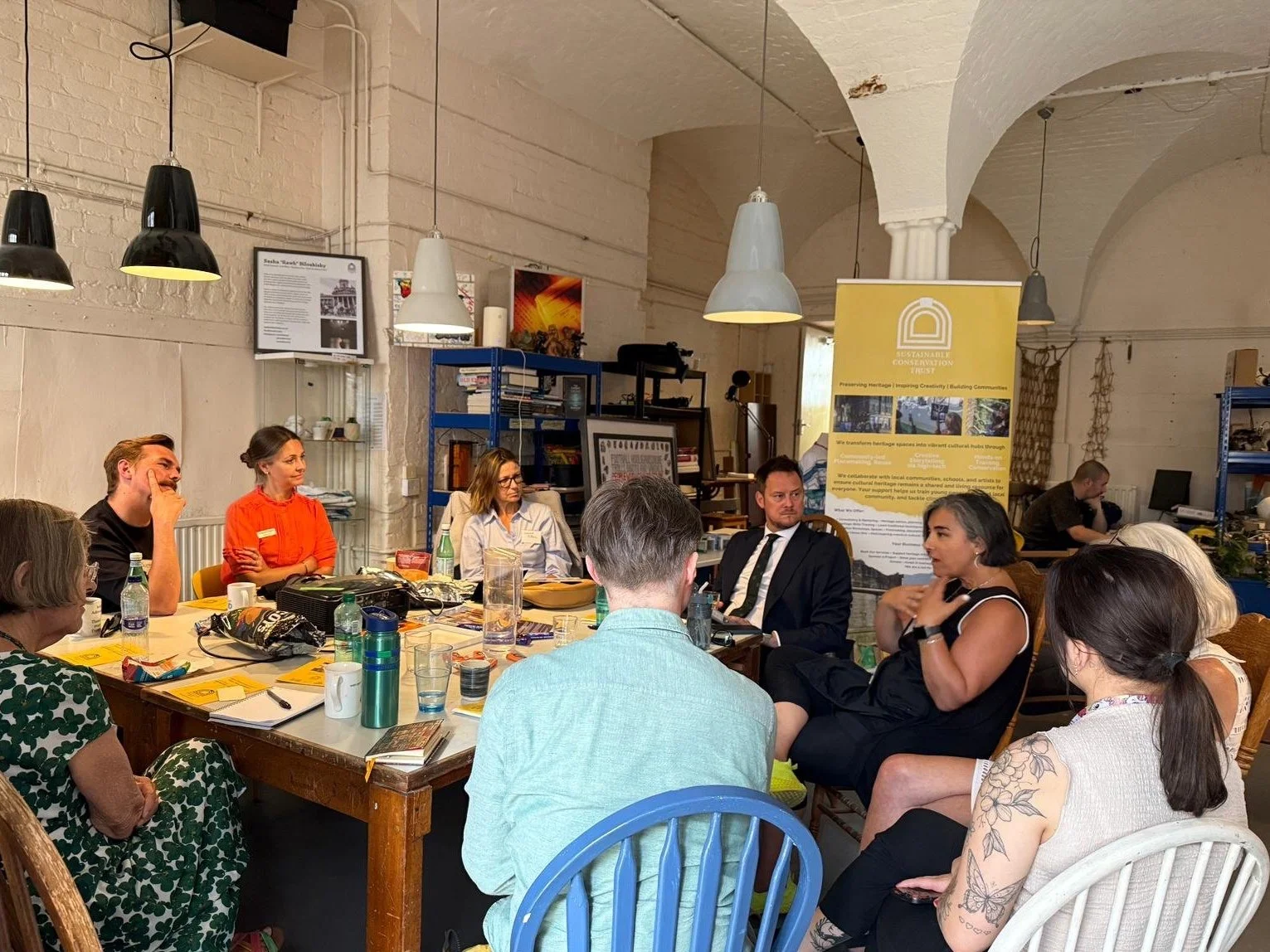
Portsmouth Retrofit Discussion
4 July 2025 – Portsmouth became the latest city to join the national conversation on sustainable building reuse as stakeholders from across the built environment gathered for a tour and roundtable hosted by Don’t Waste Buildings and joined by Stephen Morgan, MP for Portsmouth South. The meeting was organised and made possible by the Sustainable Conservation Trust who have not only advocated and campaigned for the re-use of Portsmouth historic buildings, but they have also shown by example how reuse is a major asset to Portsmouth.
-

19 Cornwall, Birmingham
26 June 2025 – Alongside the Birmingham Architectural Association, we co-hosted a guided tour of 19 Cornwall Street, one of Birmingham’s most sustainable office retrofits, recently completed by Associated Architects for Kier Property.
-

Canons Wharf, Bristol
13 June 2025 – Part of our inaugural Bristol case study tour and roundtable discussion, Canons Wharf, by specialist retrofit developer Kinrise, will see a former regional headquarters for Lloyds Bank originally opened in 1991 reimagined in 2027 as a welcoming Harbourside location offering office, dining and event spaces.
-

41 Corn Street and Gilbert House, Bristol
13 June 2025 – Part of our inaugural Bristol case study tour and roundtable discussion, 41 Corn Street and Gilbert House, by Anomaly Architects for developer IV Real Estate, saw an unlikely pair of neighbours retrofitted together. Gilbert House, formerly 37-39 Corn Street, is a Grade II listed Art Deco building designed by Sir Giles Gilbert Scott, the architect renowned for some of the UK’s most well-known landmarks including Bankside and Battersea Power Station, Liverpool Cathedral, Cambridge University Library and the iconic red telephone box, and originally utilised as a bank. In contrast, No. 41 Corn Street is a 1960s Brutalist concrete building, originally designed as the new head office for the Bristol & West building society.
-
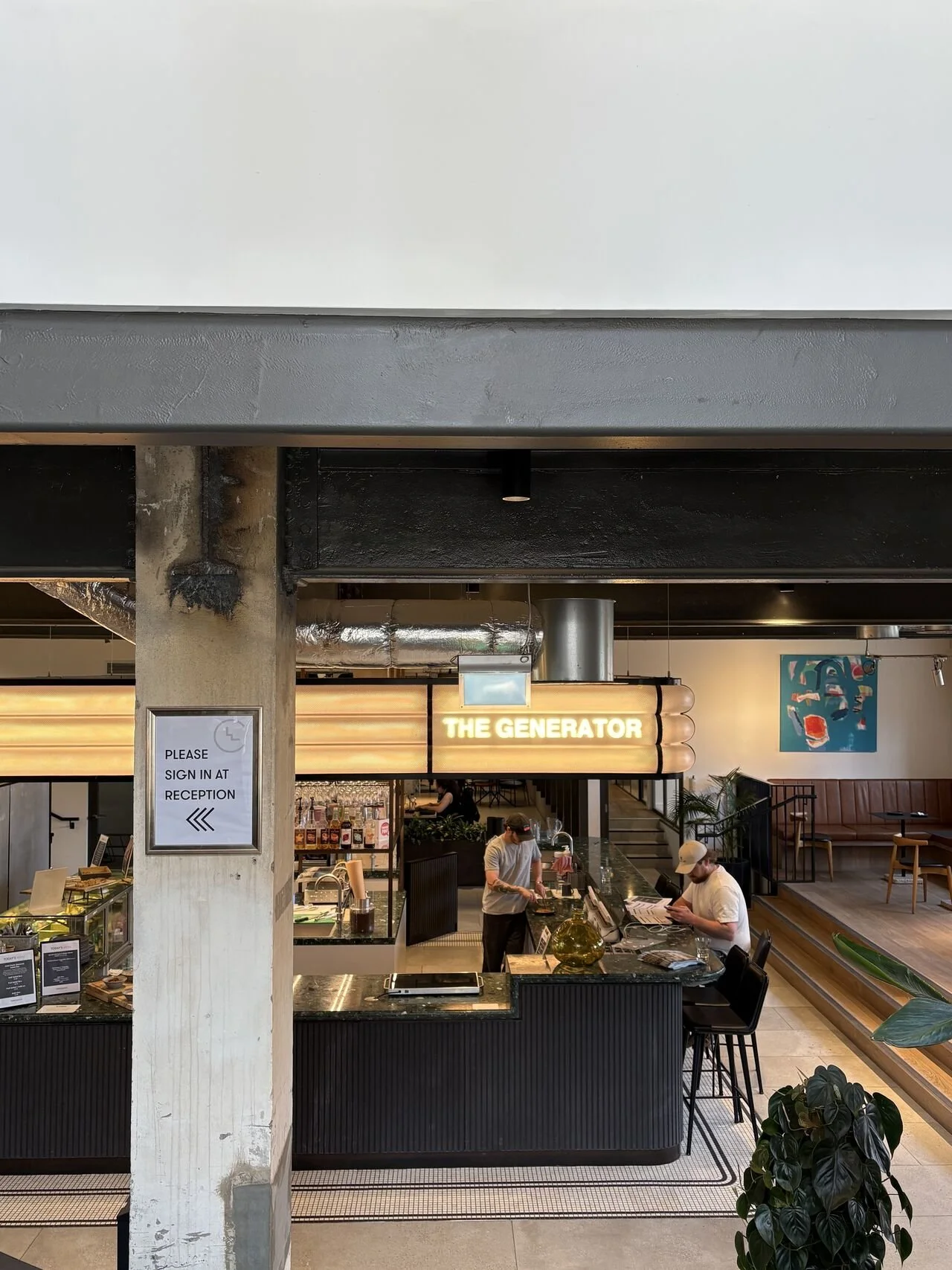
Generator, Bristol
13 June 2025 – Part of our inaugural Bristol case study tour and roundtable discussion, Generator, by developer Castleforge with architects MoreySmith, is a co-working scheme for the iconic ‘Generator Building’ at Bristol's Finzels Reach development. The 35,523 sq ft Grade II* listed building formerly housed the generator which powered the city’s tram system.
-
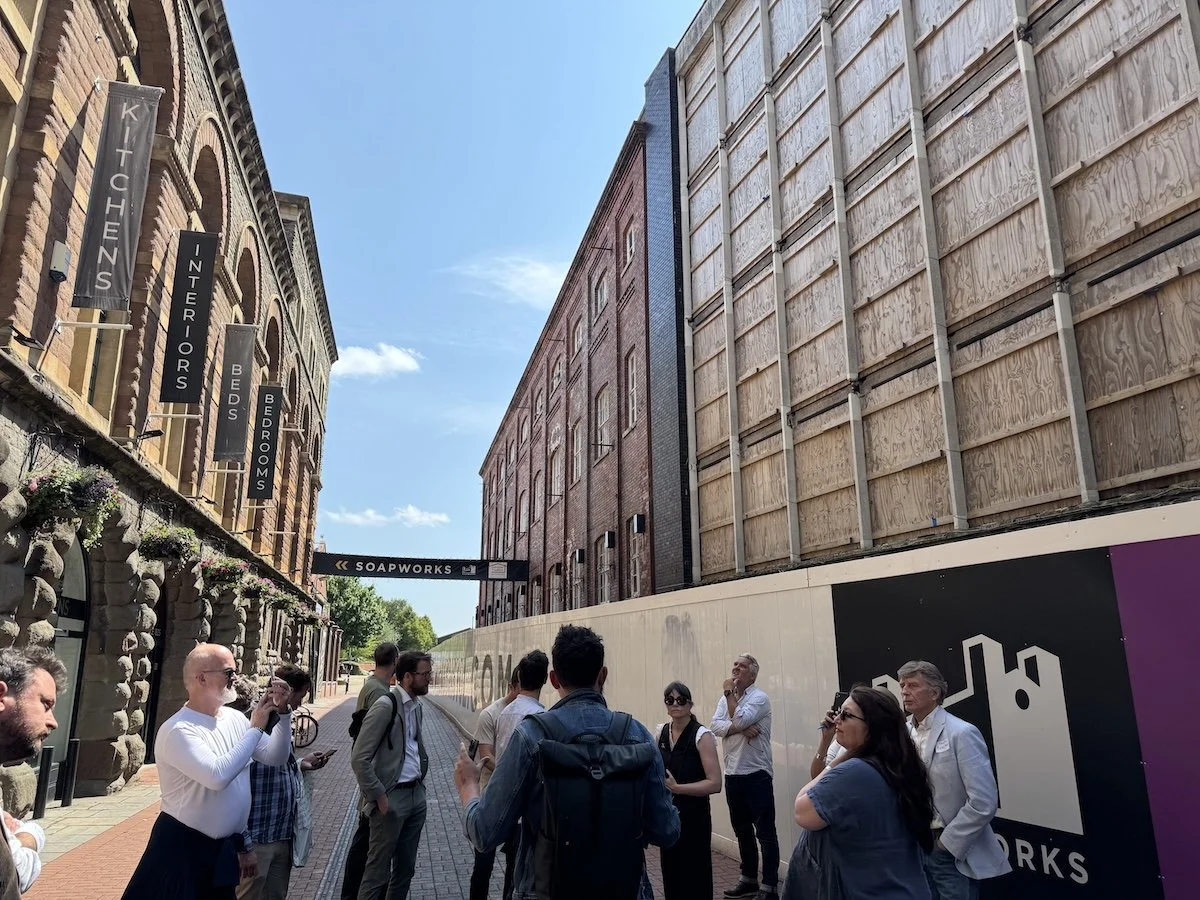
Soapworks, Bristol
13 June 2025 – Part of our inaugural Bristol case study tour and roundtable discussion, Soapworks by developer Socius with architects Woods Bagot, will deliver a new district with homes, workspace and cultural space; all set around a new public square including biodiverse green spaces, connected to the city’s commercial centre at Temple Quay and the cultural quarter at Old Market.
-
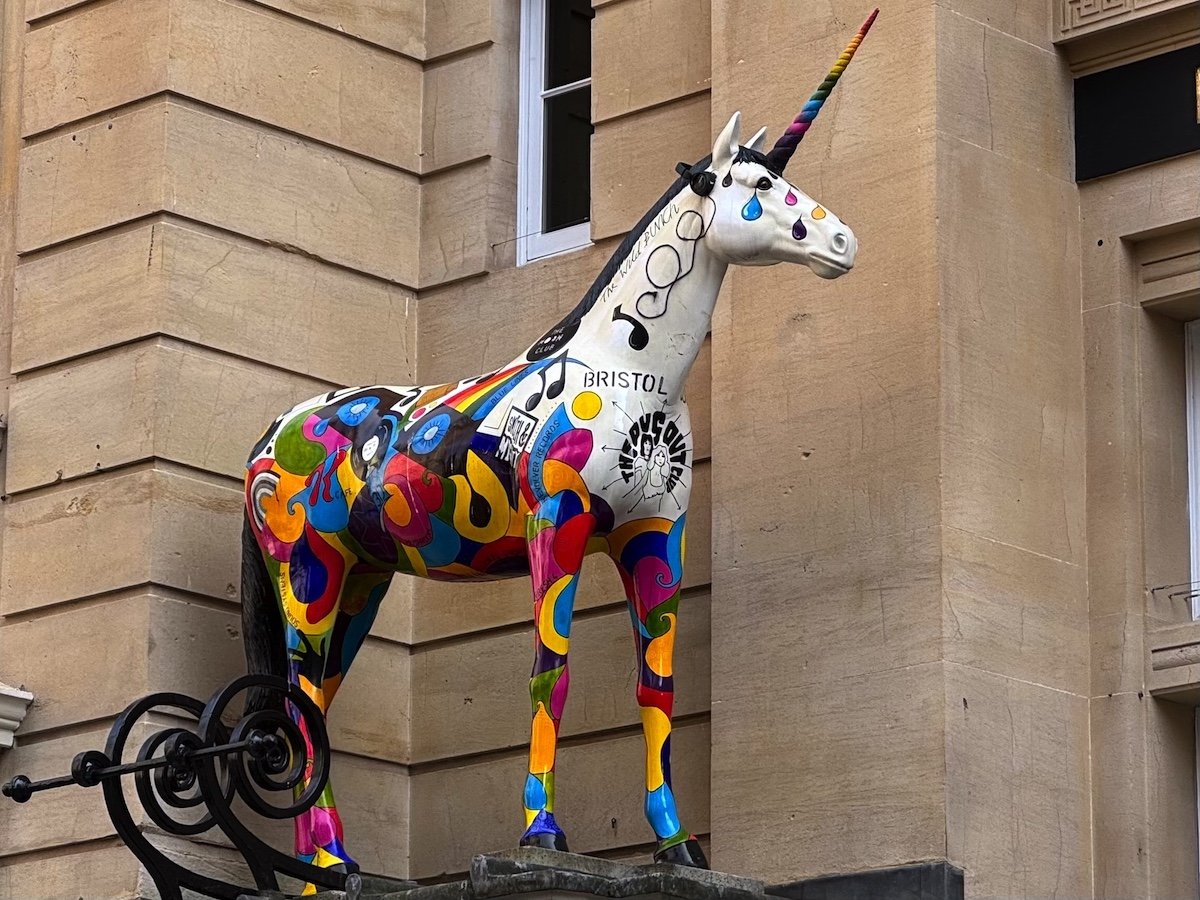
Bristol Tour
13 June 2025 – Download the information-packed report from our groundbreaking tour of Bristol, in which architect Petr Esposito, founder of Anomaly Architects, led our visits to four buildings with very different, but related, stories: Soapworks, Generator, 41 Corn Street and Gilbert House, and Canons House, where we were also joined by the developer, Samuel Lawson Johnson, Co-Founder of Kinrise. Also read our news story HERE.
-

Coventry University College of Arts and Society
11 June 2025 – The RIBA West Midlands 2025 Building of the Year: Coventry University’s College of Arts & Society, the Delia Derbyshire Building. By retaining nearly 80% of the existing 1960’s facilities, architects and engineers BDP have achieved a remarkable transformation, opening up the university to the city, providing a new civic space, and enabling the university to offer more for its students.
(Photo - BDP) -
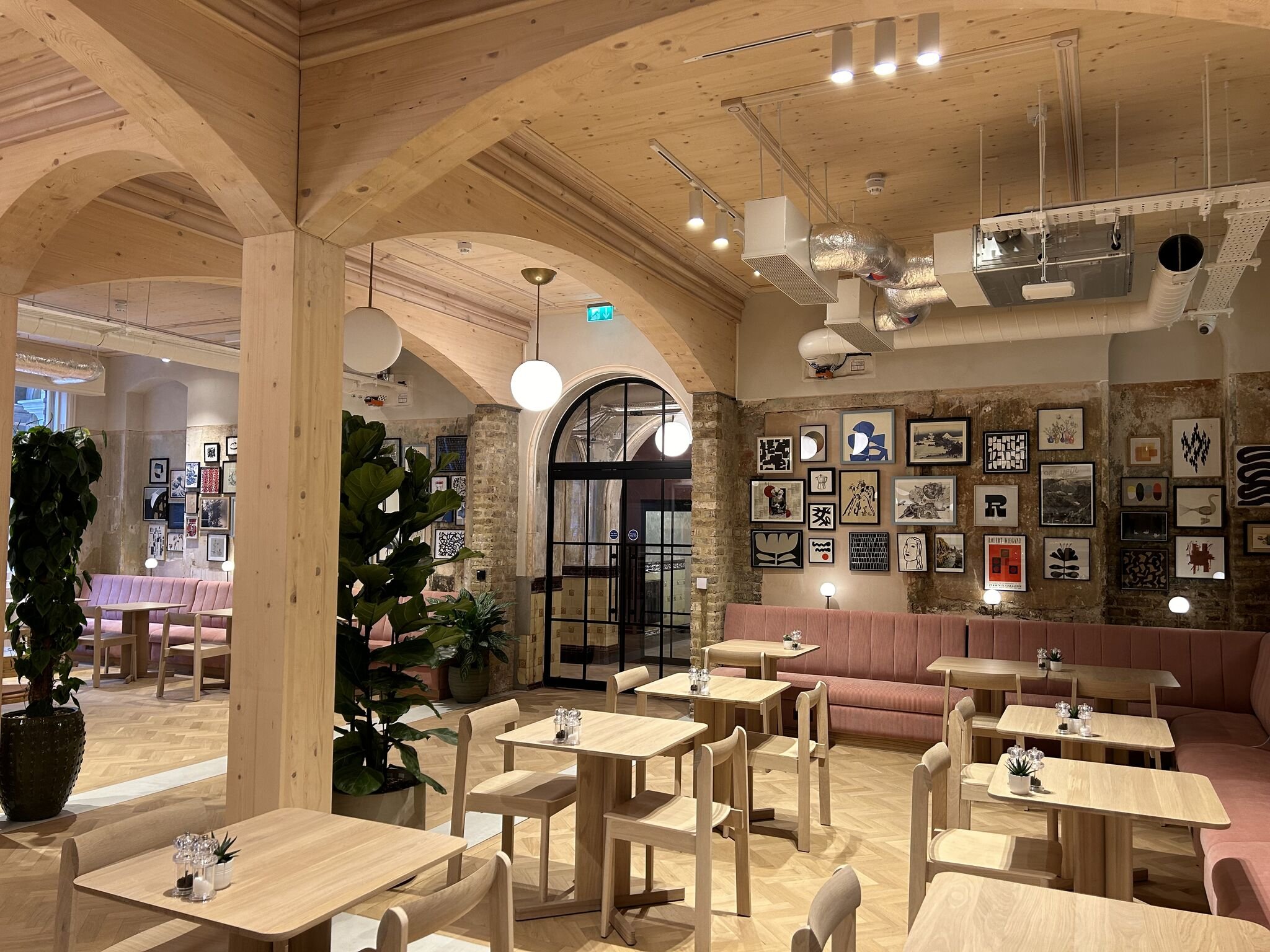
Walworth Town Hall
7 Feb. 2025 – How do you bring a fire-ravaged Grade II listed building back to life? That was the question ably answered by another great case study tour from Don’t Waste Buildings. Gutted by fire in 2013, an incredible restoration job by General Projects and Feix&Merlin Architects have brought it a new lease of life.
(Photo - General Projects) -

Zodiac Court, Croydon
5 Dec. 2024 – Zodiac Court in West Croydon laid empty for 30 years, gradually declining and becoming a focus for anti-social behaviour and a 'hole' on the high street – before Common Projects acquired it. The tour showed us new apartments and amenities created from this no longer needed office space. The building’s 'constraints' have been turned to attributes: big windows framed by the original concrete spandrels, exposed waffle slab ceilings in common rooms, and restored original façade art.
(Photo - Common Projects) -

-
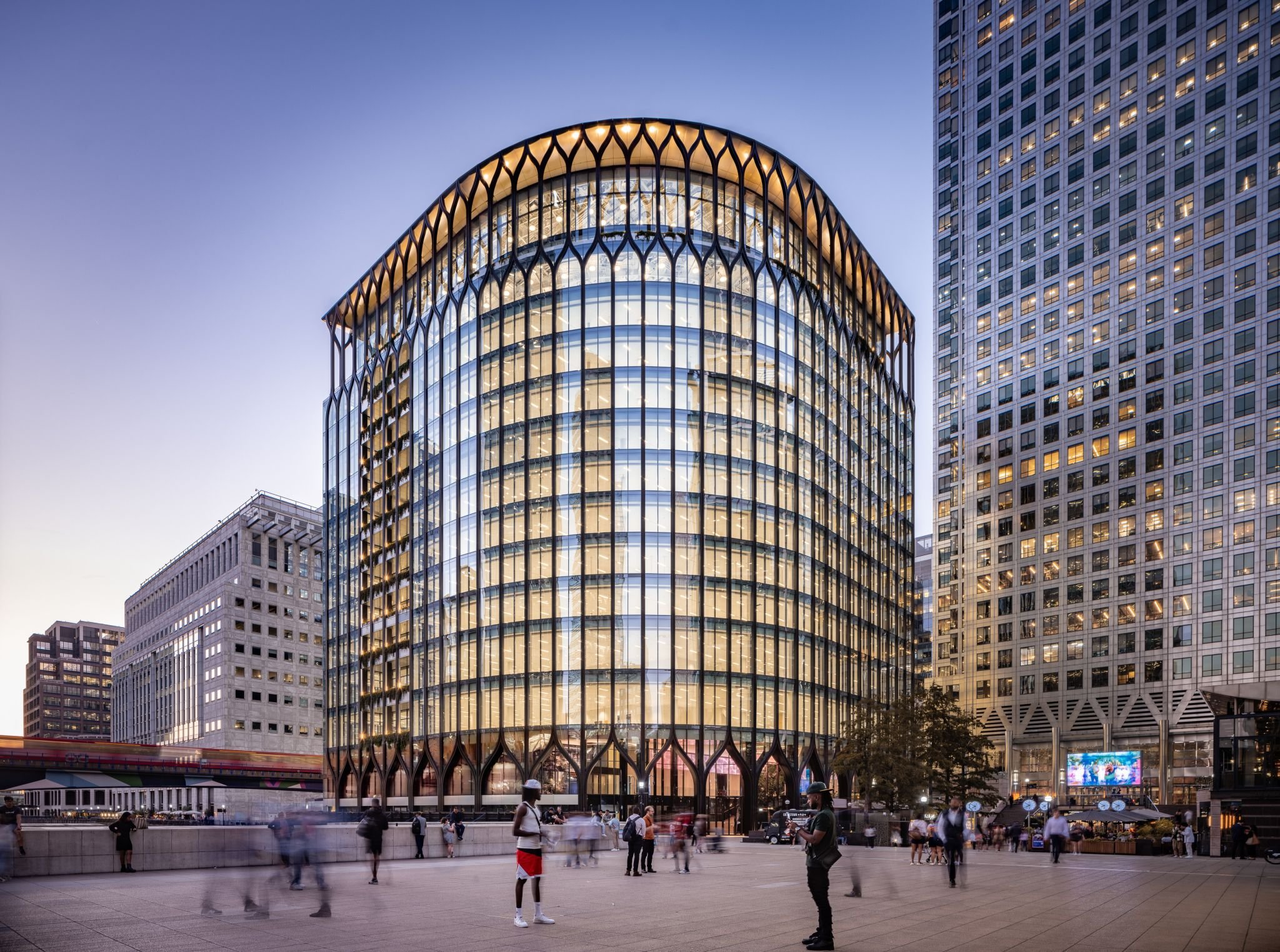
YY London
26 Nov. 2024 – One of the first generation of buildings on the Canary Wharf estate completing in 1991, 30 South Colonnade, with its renowned stock ticker, became a familiar landmark to many as broadcast news reporters delivered their business updates with the building in the background. Designed by BGY on behalf of Quadrant and Oaktree Capital Management, YY London is a comprehensive refurbishment project that transforms 30SC while preserving the original structure and its embodied carbon emissions.
(Photo - BGY) -

Tea Factory, Birmingham
25 Sep. 2024 – The BBC wanted a world class, net-zero workplace in the heart of Birmingham—a showcase of its presence in a thriving city boasting the youngest population in Europe. Developer Stoford brings a 100-year-old industrial building back to life for the next 100 years, transforming a neglected part of the city’s heritage in Digbeth into a dynamic broadcasting hub for 700 staff across TV and radio.
(Photo - Howells) -

Arding & Hobbs, London
14 Aug. 2024 – Arding & Hobbs is a mixed-use restoration of a disused Grade-II listed 19th-century landmark department store in Clapham Junction, London, revitalising a historic streetscape and activating the street level with brand-new amenities for the public. Developer W.RE restored, expanded, and transformed the disused landmark into a characterful workspace for approximately 1,000 people, alongside community, F&B and retail facilities.
(Photo - W.RE) -

Letchworth Garden City
27 June 2024 – DWB had an eye-opening tour with the Letchworth Garden City Heritage Foundation, a unique place-based foundation which has responsibility for a large portfolio of suburban properties, including commercial, residential, retail and community facilities. The foundation is unique with all profits from the portfolio being re-invested into the maintenance and upkeep or back into the community.
(Photo - Leanne Tritton) -

Republic London
10 May 2024 – Read about how Trilogy Real Estate have repurposed the unloved and empty 90's office buildings into a thriving mixed use education campus for 15,000 students and start-up hub in London’s East India Dock.
(Photo - Leanne Tritton) -

Heal's Building, London
18 Apr. 2024 – In our first ever DWB ‘case study tour’, General Projects gave us excellent, informative and frank insights into their re-imagined and re-invented restoration of the famous HEALS building on Tottenham Court Road in London.
(Photo - Richard Nelson)
If you would like to suggest a case study tour, please click the button below.