Hornsey Town Hall Restoration Showcases Heritage and Environmental Benefits of Retrofit
Landmark building removed from at-risk register while demonstrating low-carbon alternative to demolition and new construction
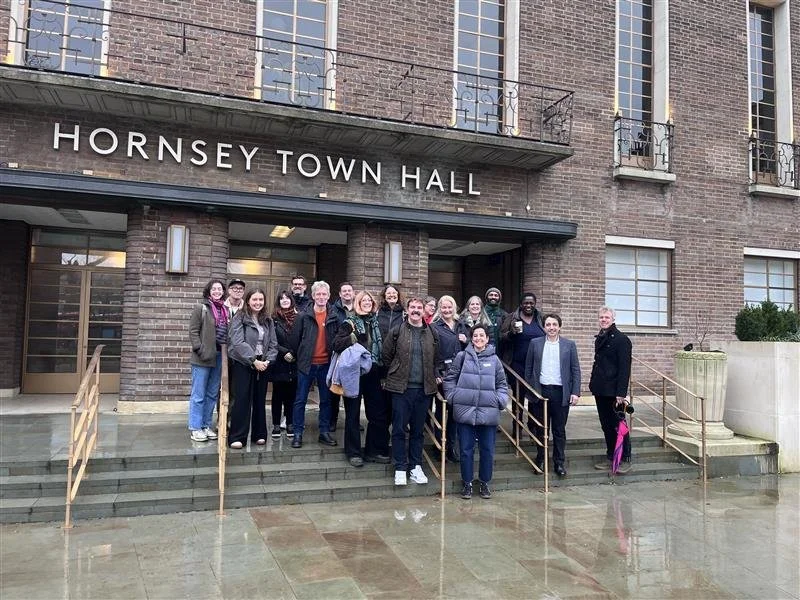
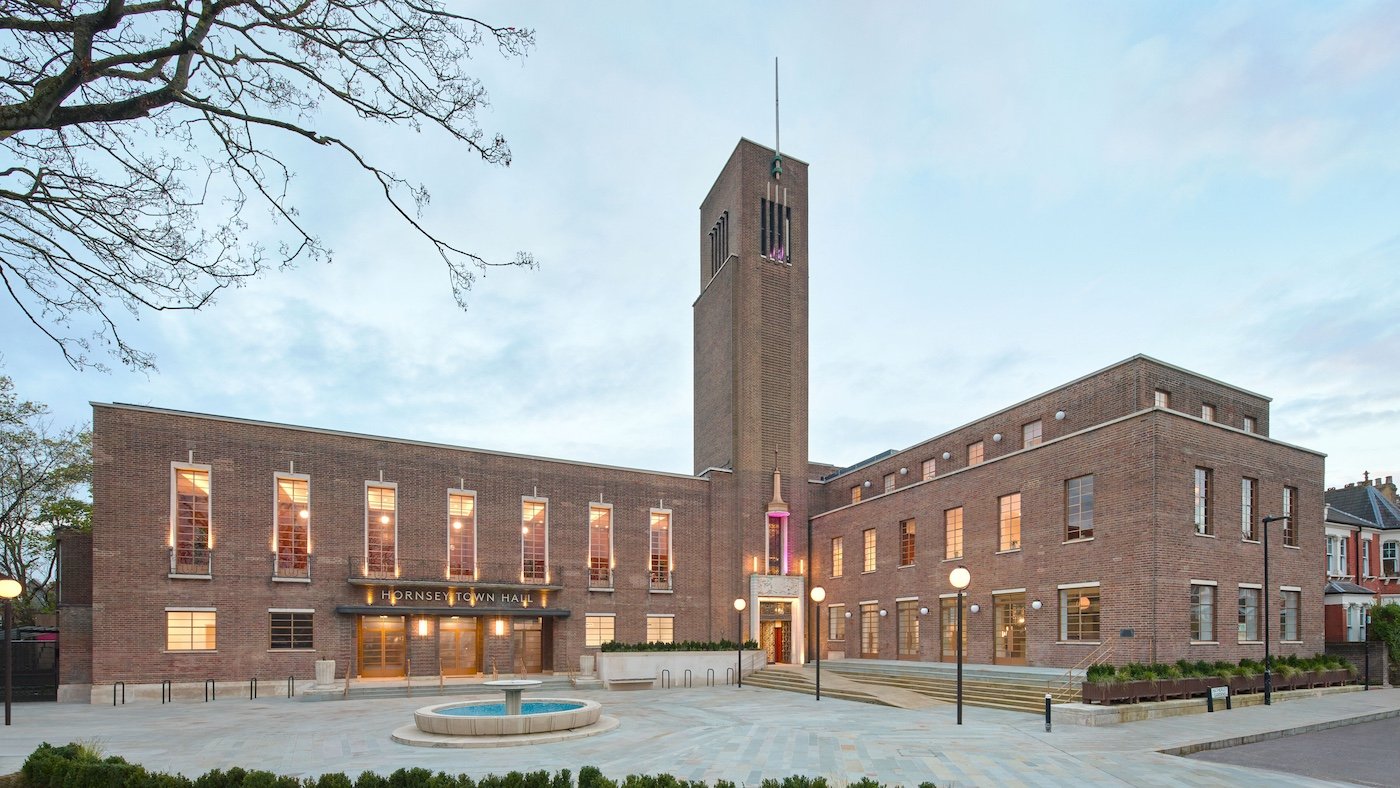
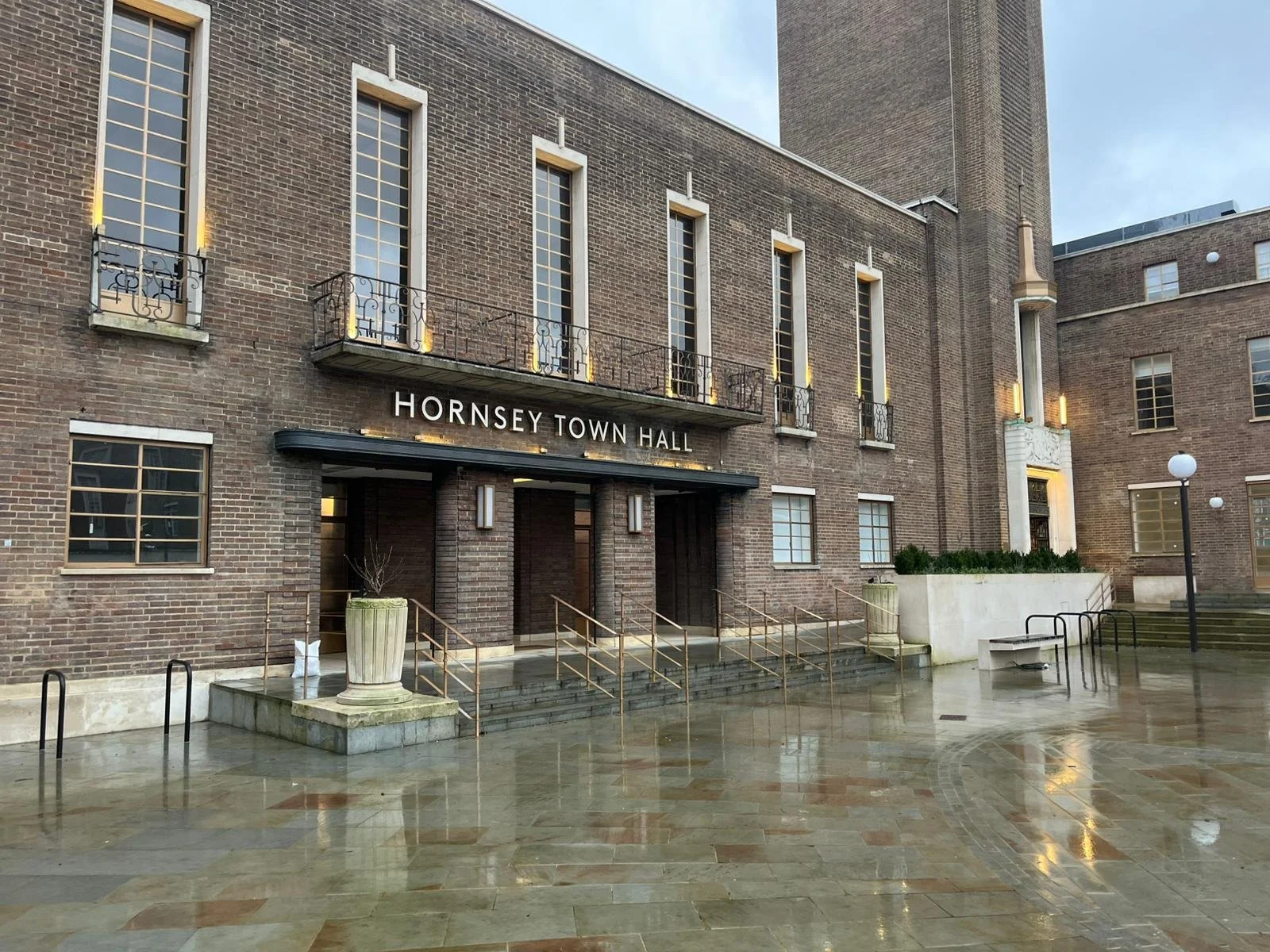
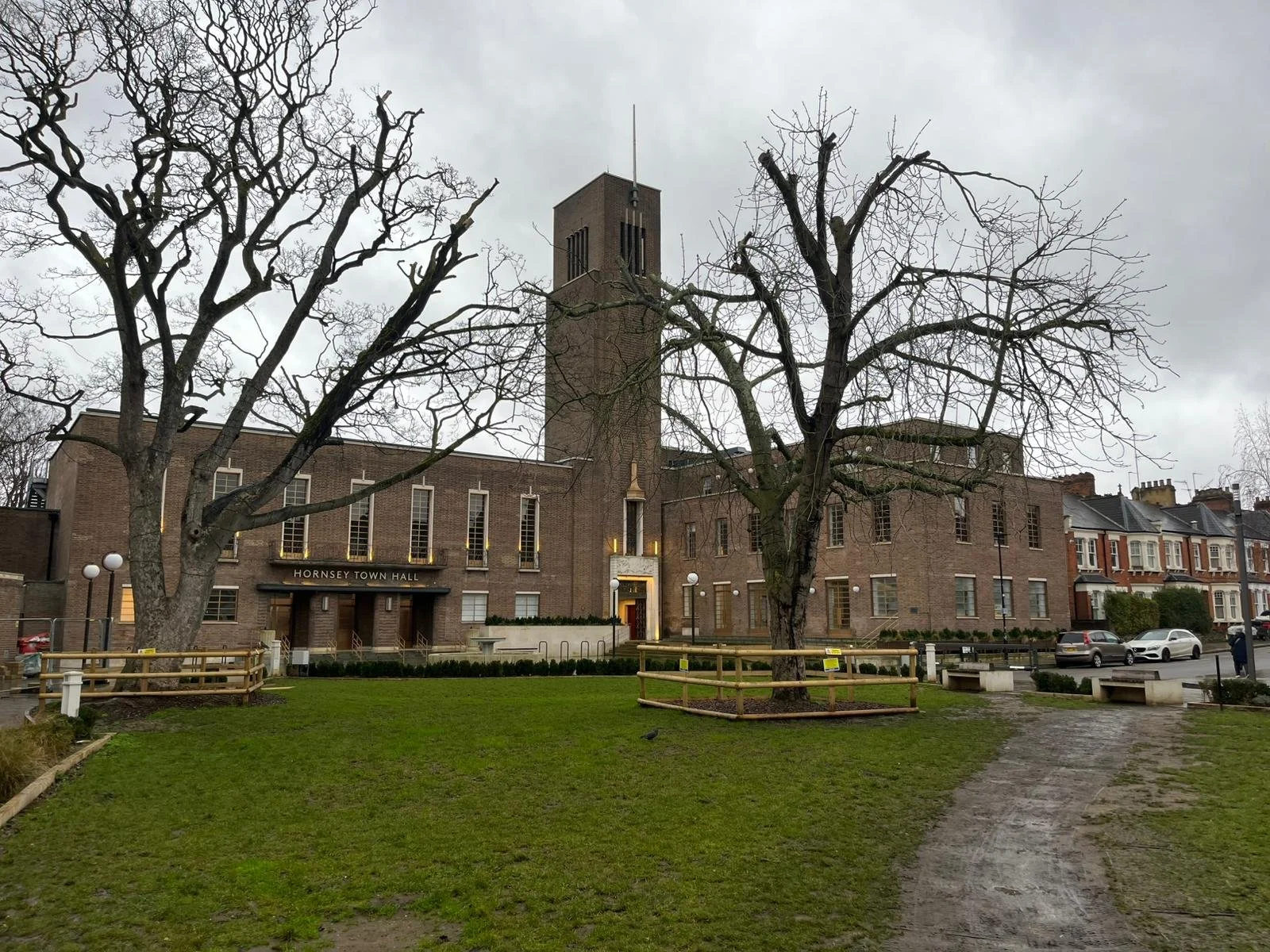
On 23rd January, our first case study tour of 2026 took in the Grade II* listed Hornsey Town Hall in Crouch End, which has been removed from Historic England's Buildings at Risk Register following a comprehensive restoration that demonstrates how heritage preservation and carbon reduction can work hand-in-hand through building retrofit.
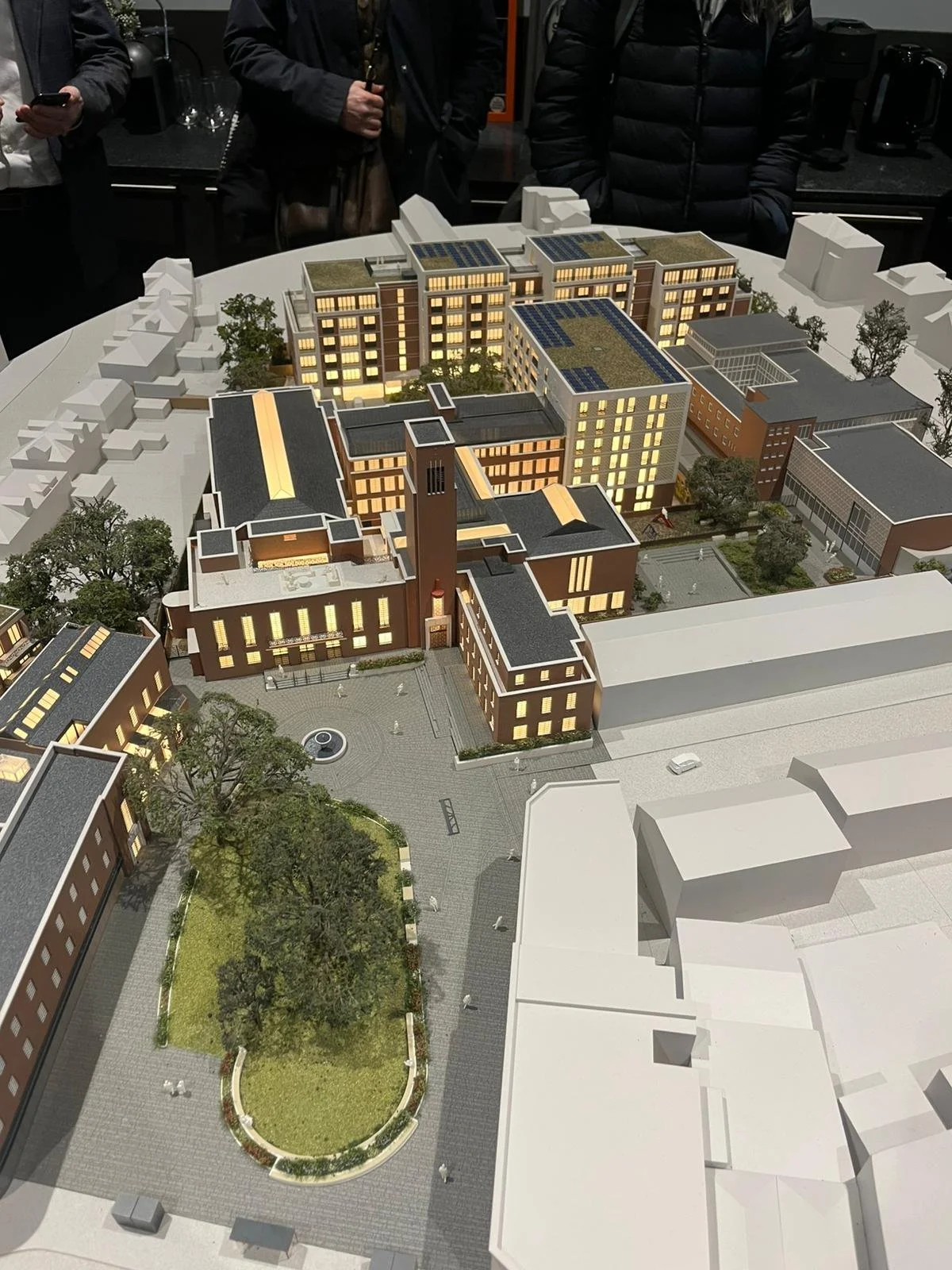
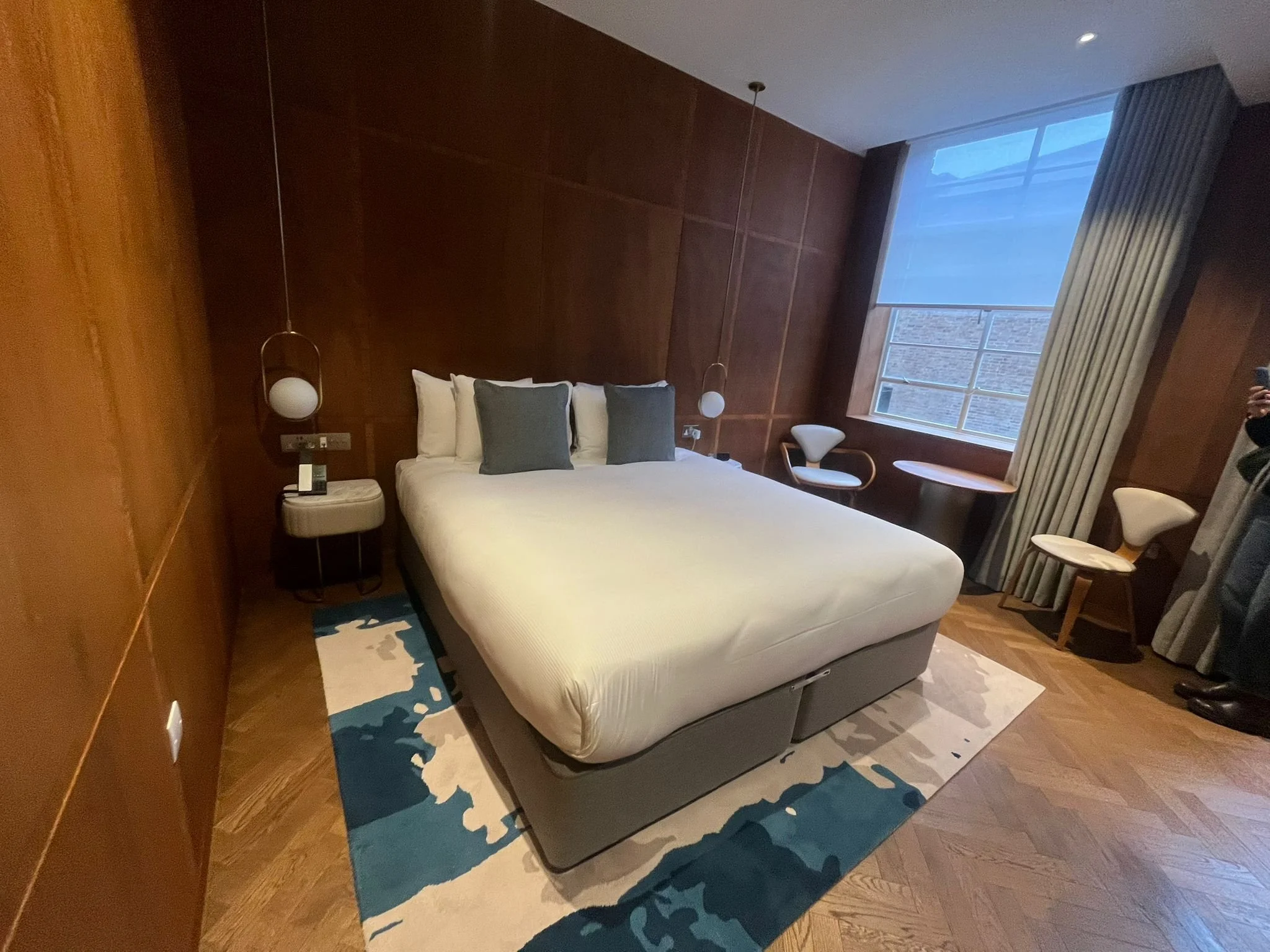
The removal from the at-risk register marks a significant milestone for the 1930s Art Deco civic landmark, which now houses a 68-room boutique hotel, 146 residential apartments, co-working spaces, and community event venues. The project, completed in early 2023 after starting in 2019, addressed severe water damage while minimising embodied carbon through maximum retention of existing fabric.
Retrofit-First Approach
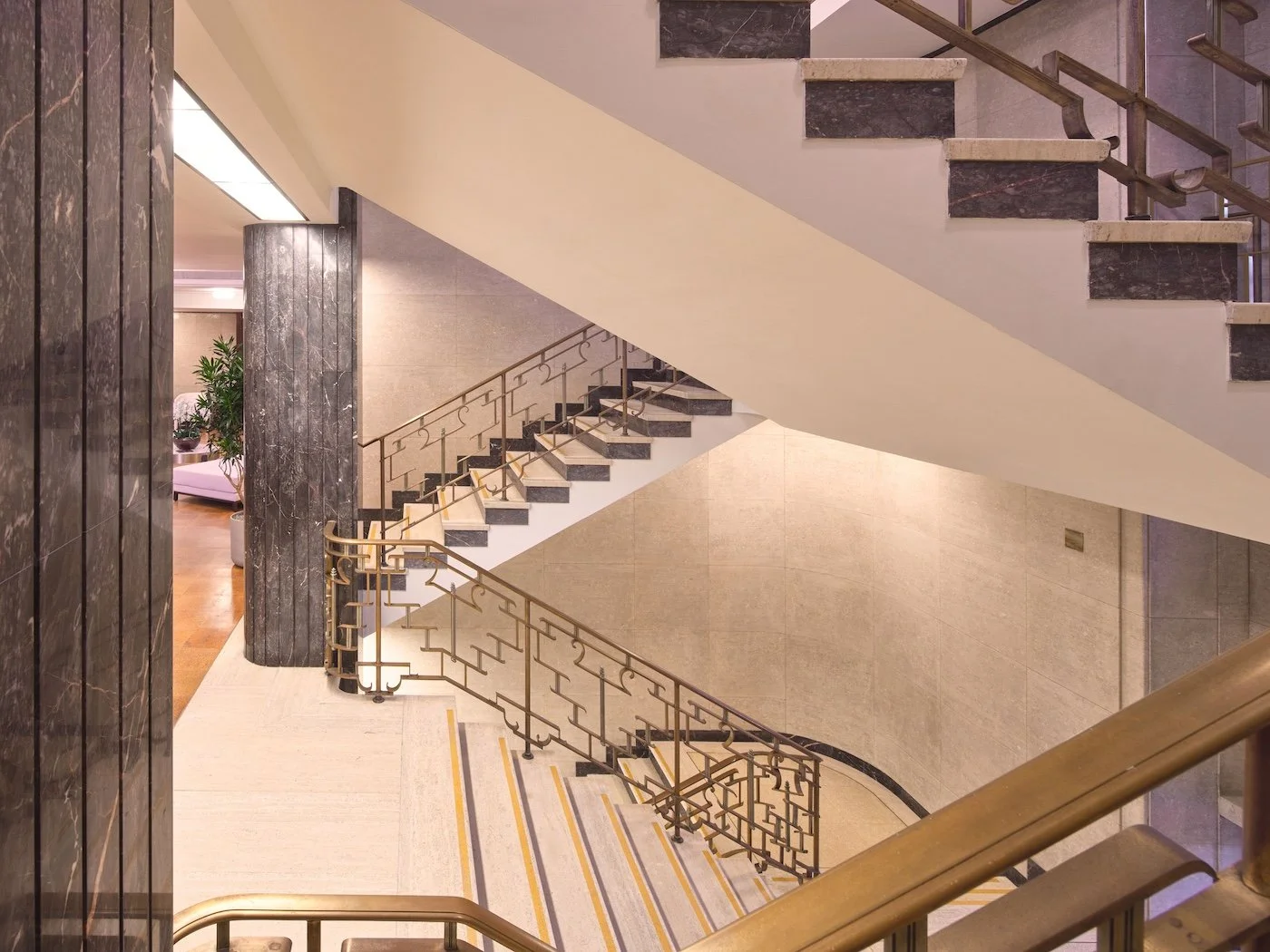
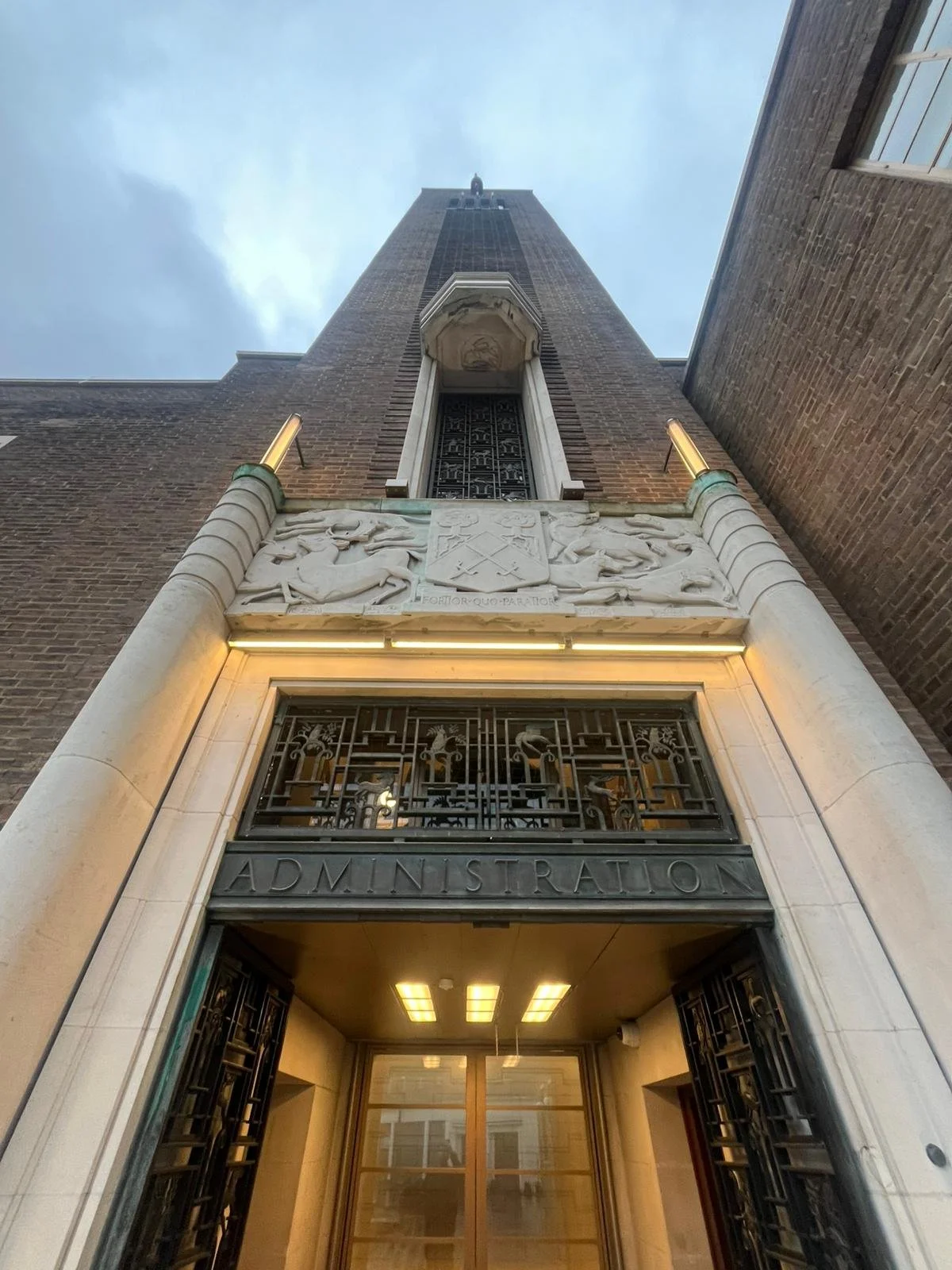
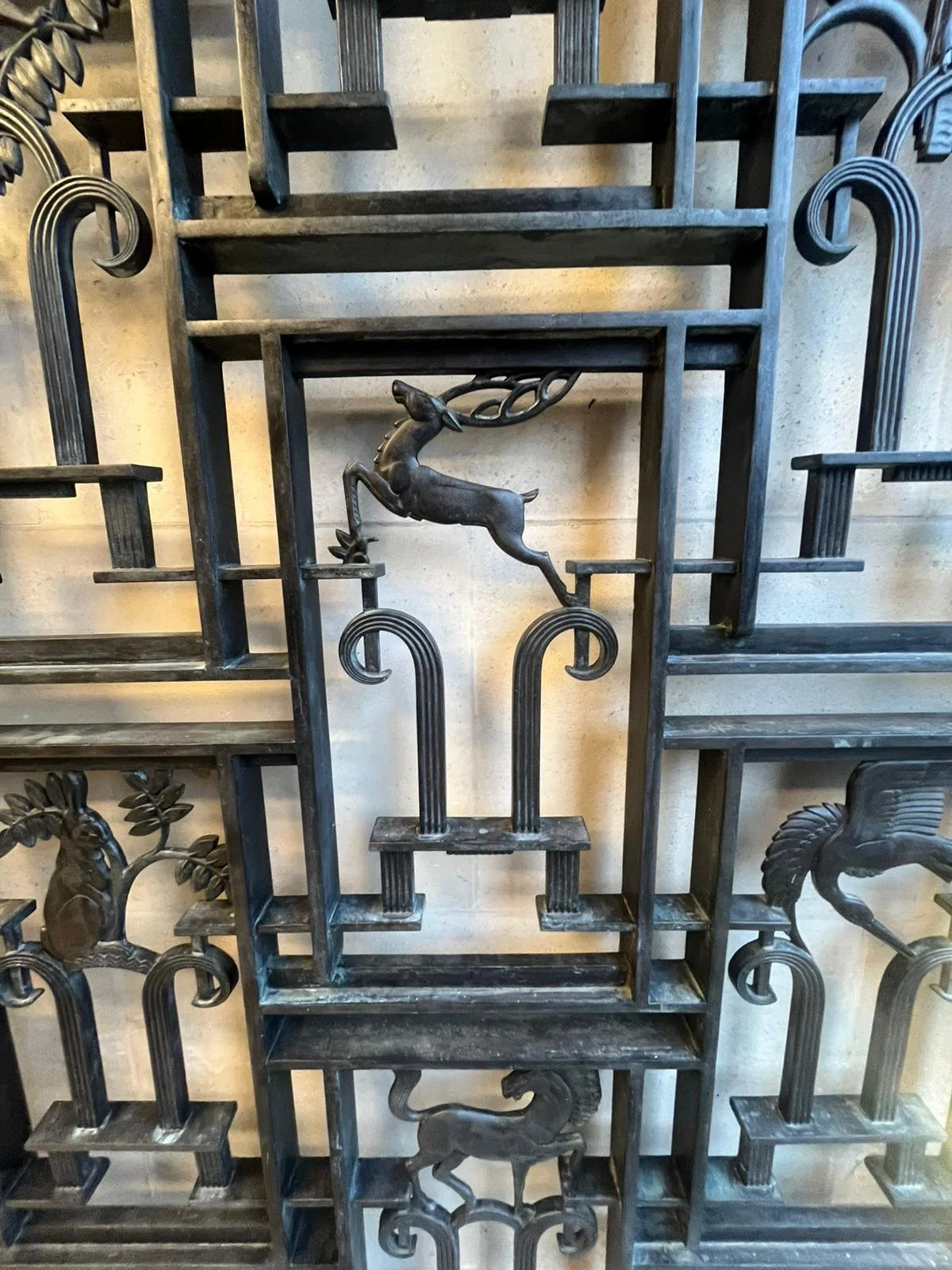
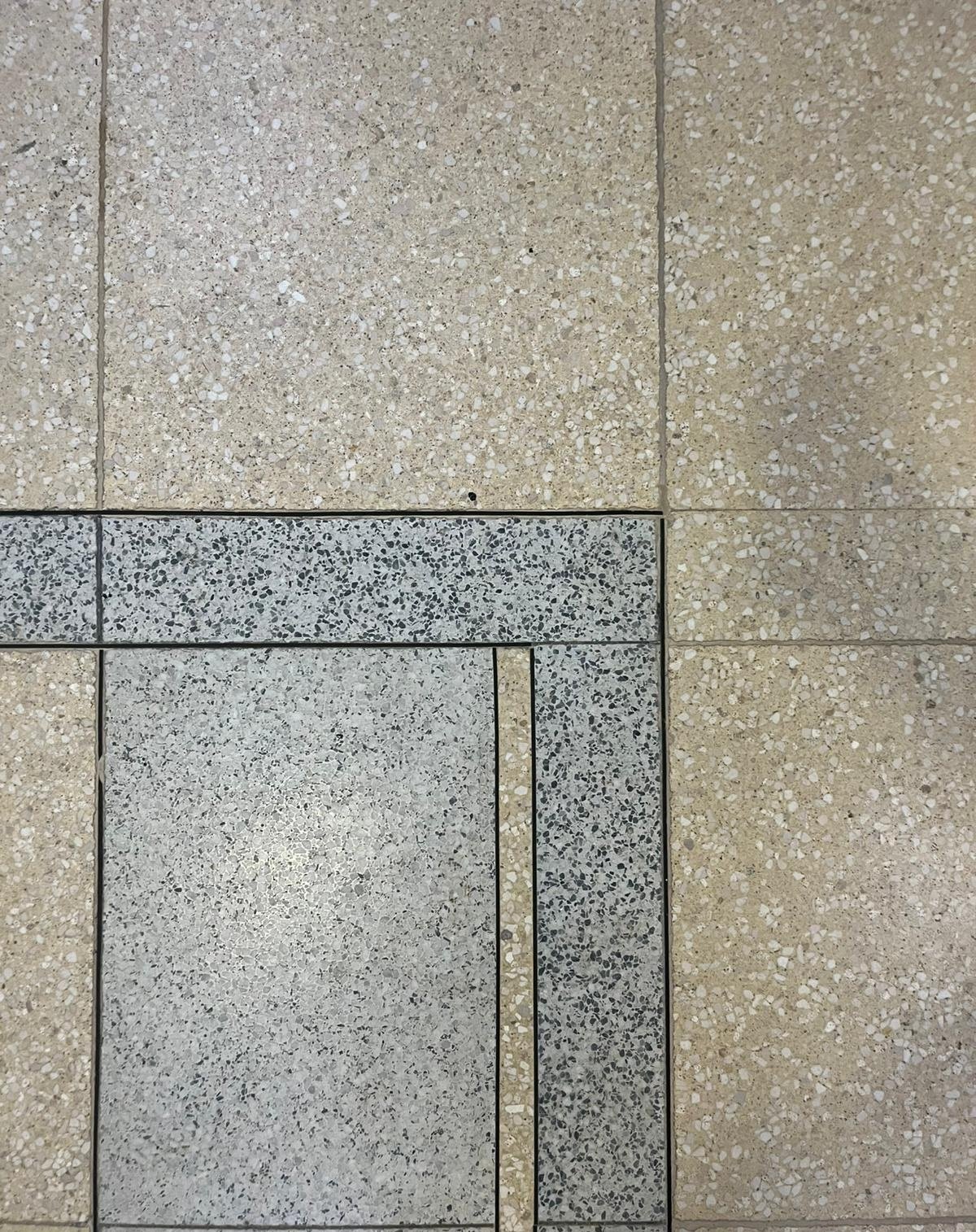
"The restoration emphasised a light touch approach, retaining as much original fabric as possible to minimise carbon impact by limiting new construction," explained project representatives from the development team at FEC and their architects, Make. This retrofit-first strategy preserved original terrazzo floors, marble balustrades, timber panelling, and architectural features while avoiding the substantial carbon emissions associated with demolition and new build.
The team used the project to demonstrate that retrofitting historic buildings offers a vital model for achieving environmental goals. By reusing existing structure and materials, the project avoided the embodied carbon cost of new construction while breathing new life into a deteriorating community asset.
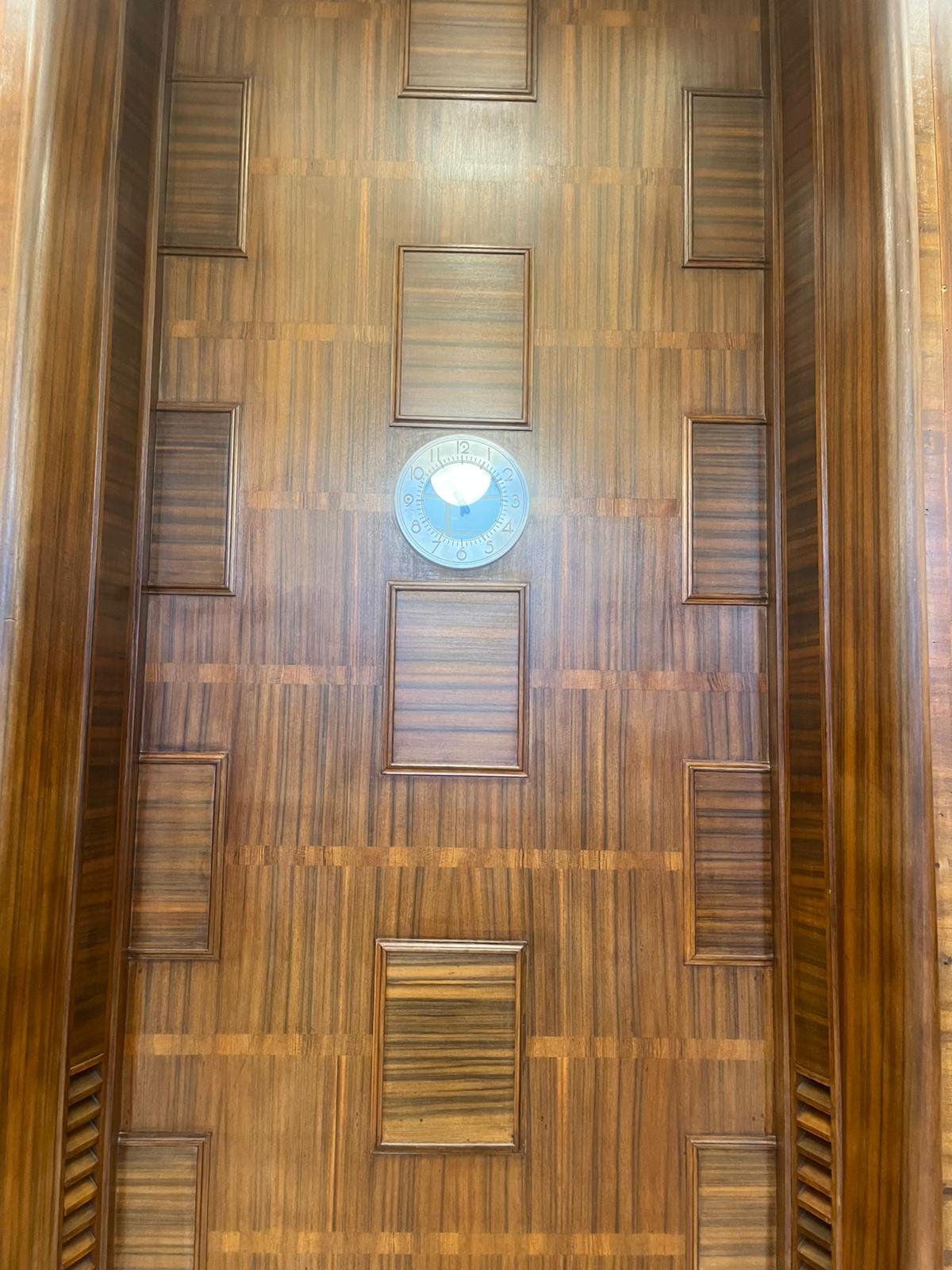
Extensive timber panelling restoration used sustainable materials and on-site veneering replication to match 1930s details damaged by water ingress. Concealed HVAC plant rooms were installed by lowering floors around foundations without disturbing original features, while secondary glazing reduced noise for neighbouring residents without compromising historic appearance.
Preserving Architectural Heritage
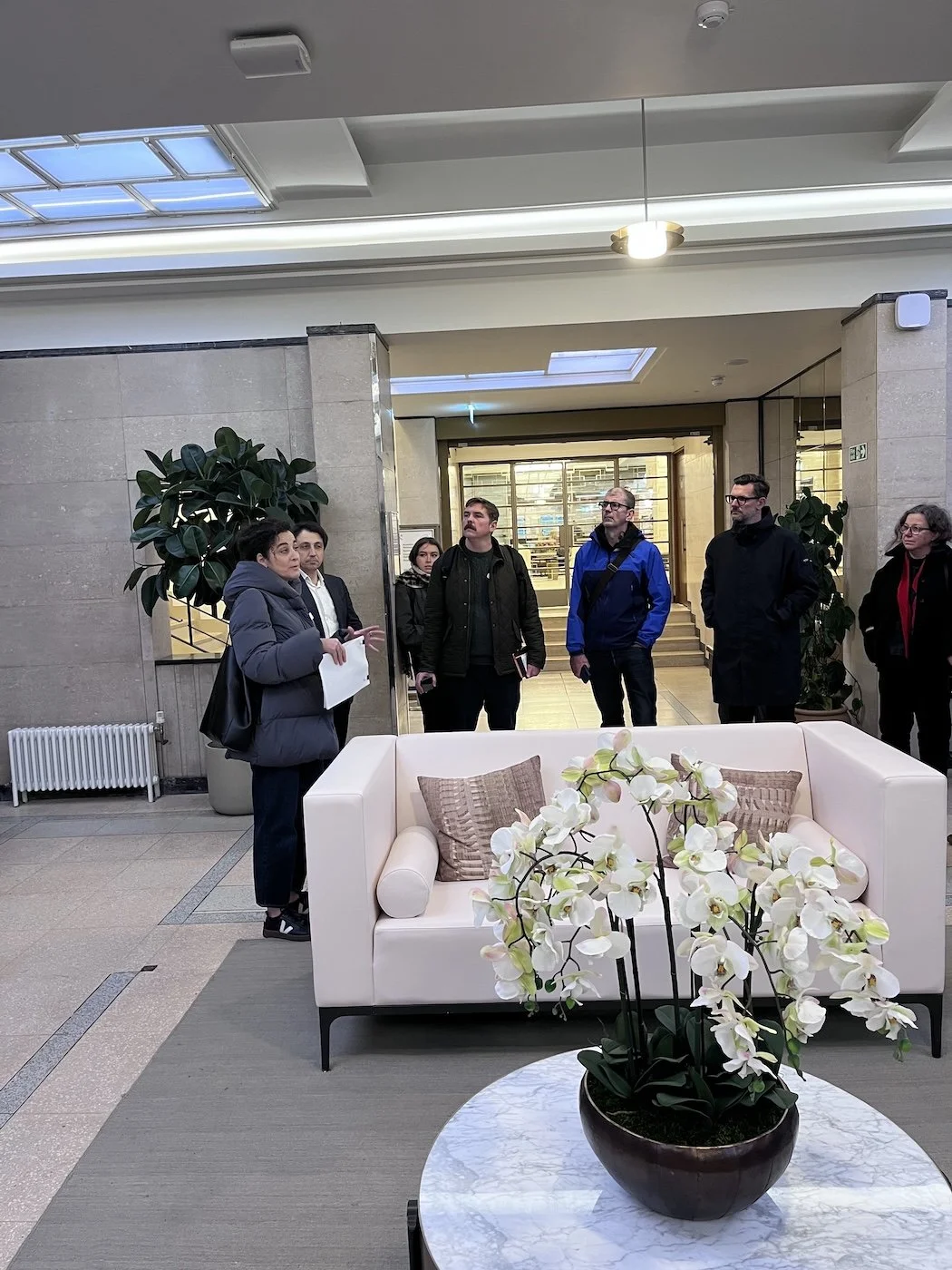
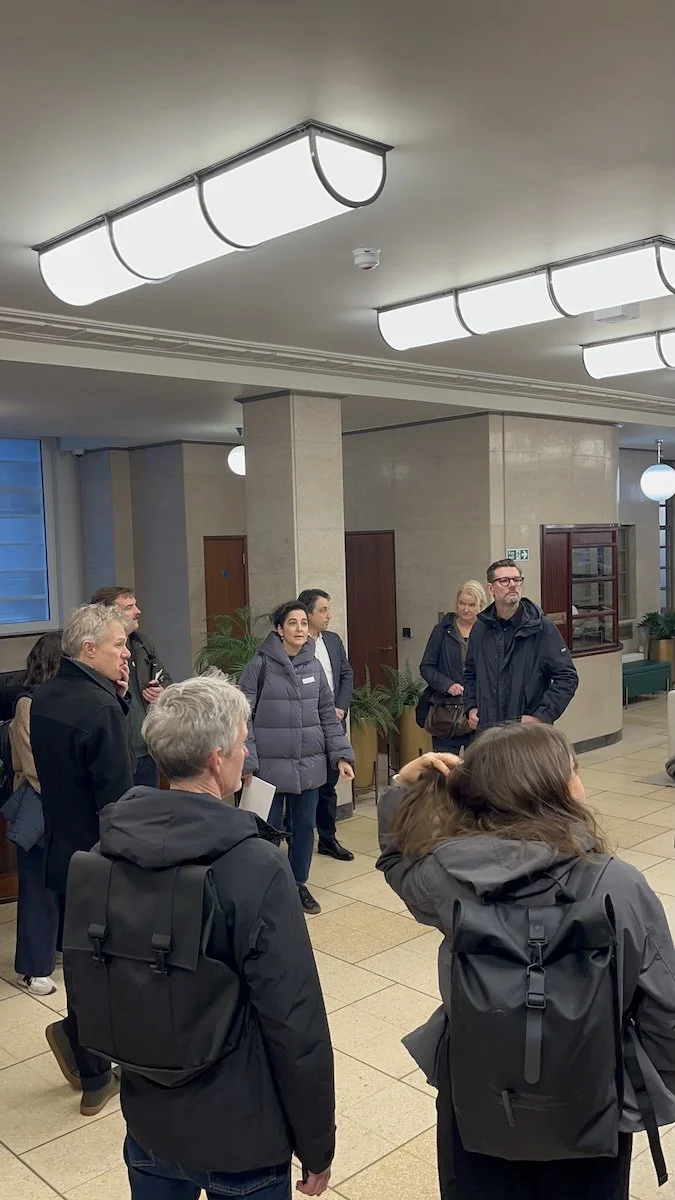
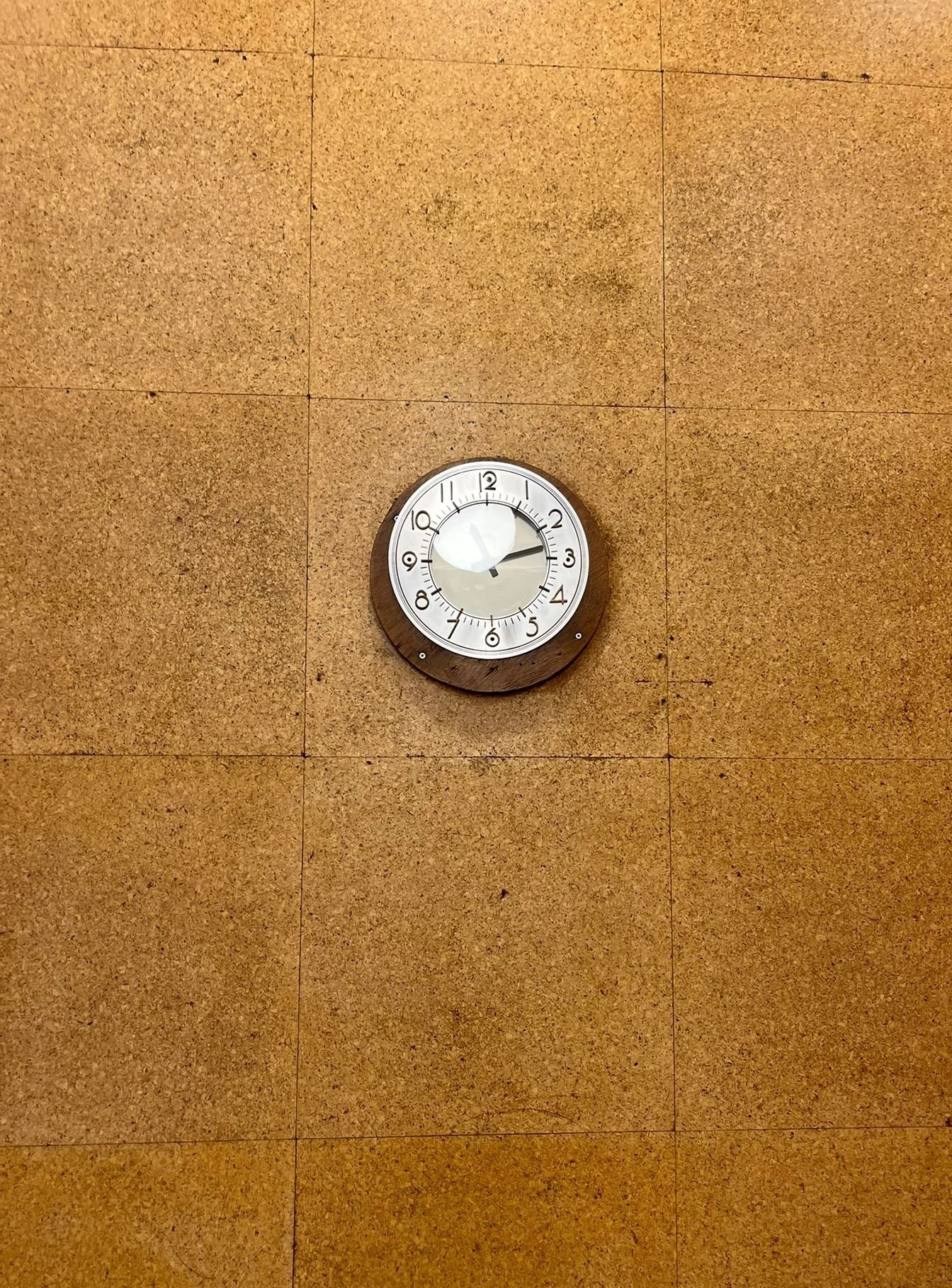
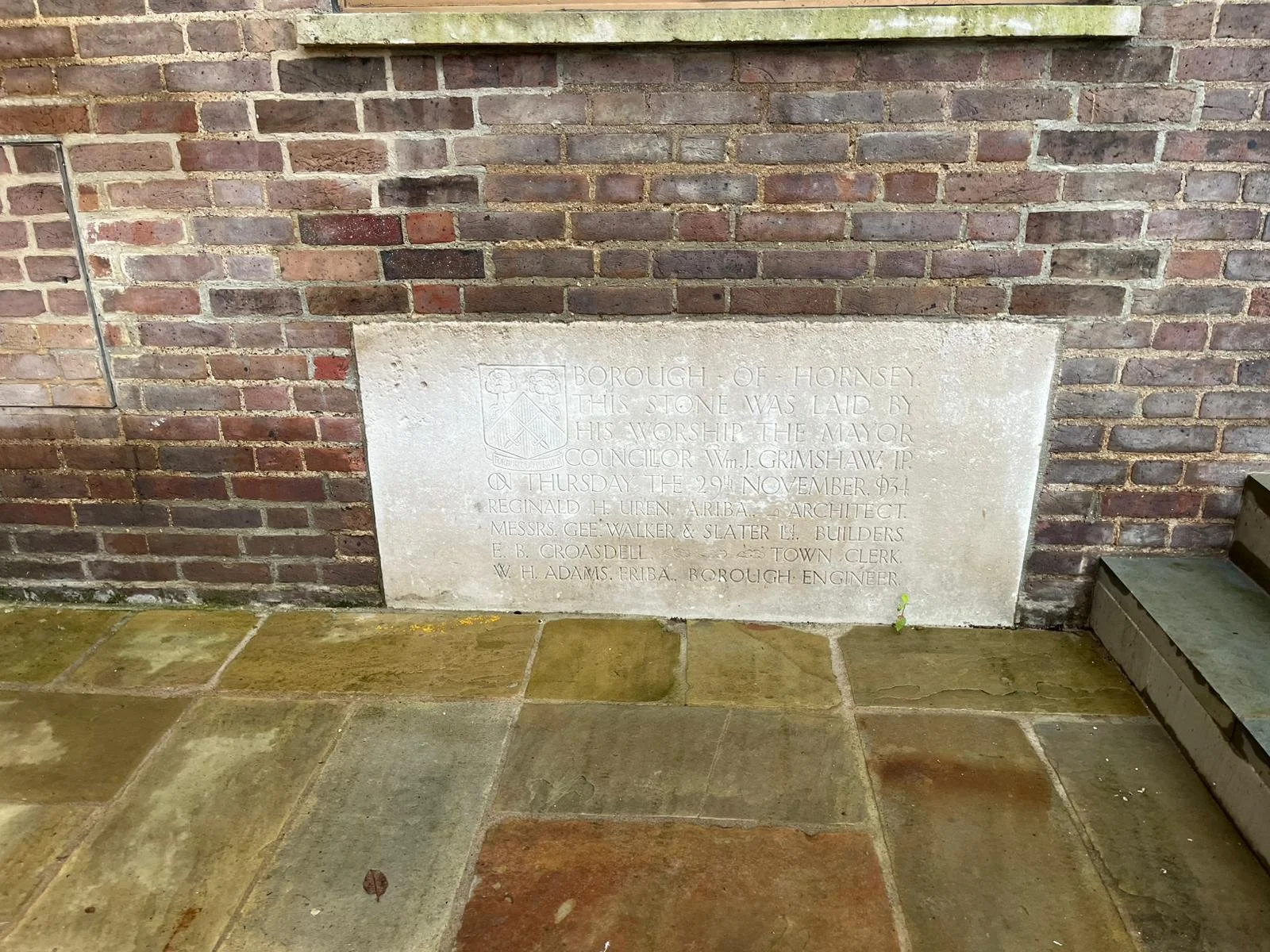
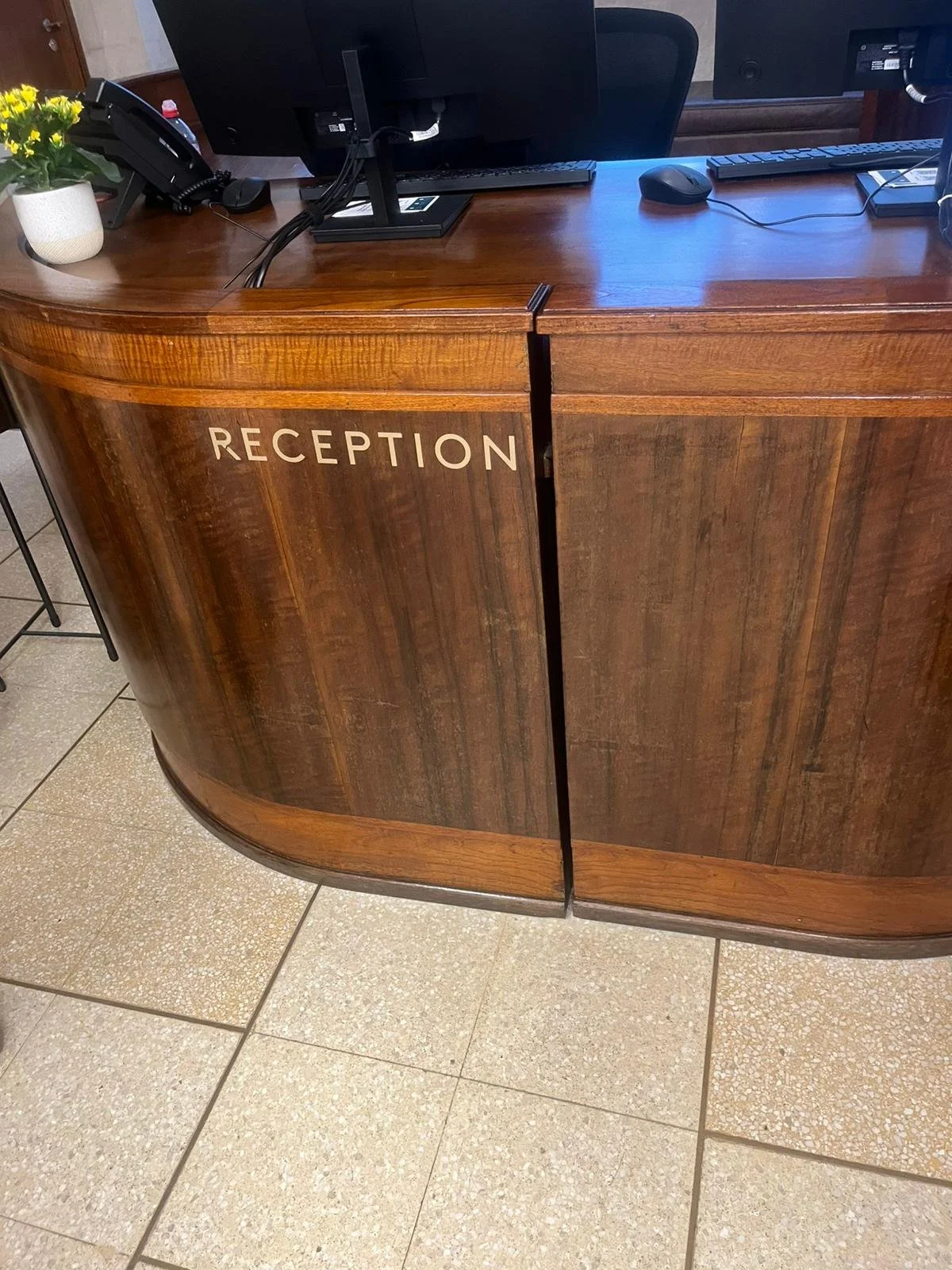
Designed by 27-year-old architect Reginald Uren in the 1930s, the building's flexible design and spatial hierarchy guided restoration decisions made in close collaboration with Historic England. Original features including the historic voting desk, now serving as a reception desk, and lighting fixtures replicated from archival photographs maintain the building's authentic character.
A crucial planning decision removed residential units from inside the Town Hall itself, relocating them to adjacent blocks to maintain the building's civic function and public accessibility. This approach secured Historic England's support while demonstrating that heritage buildings can serve contemporary mixed-use functions without privatisation.
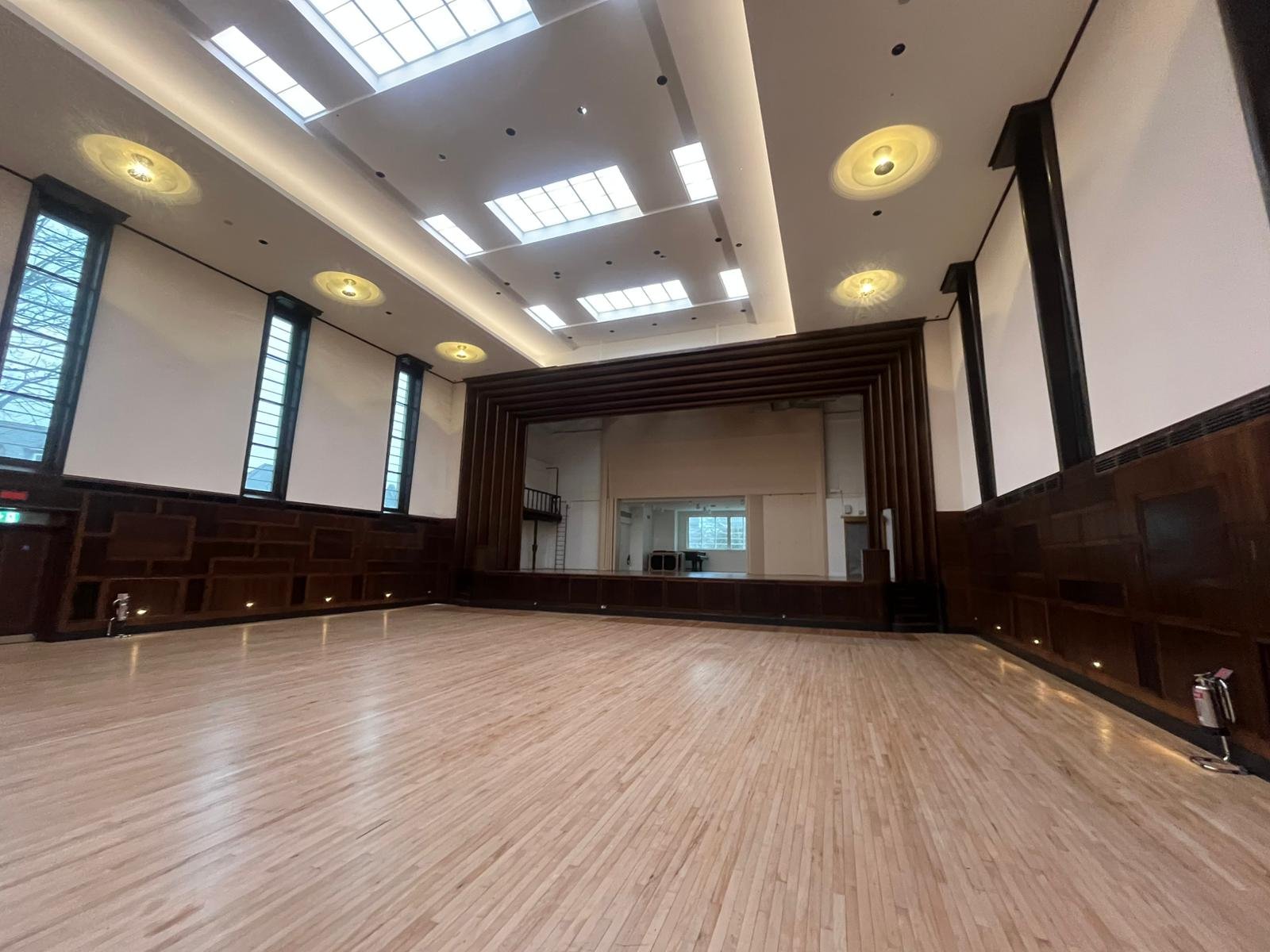
The assembly hall conversion showcased innovative space optimisation, with a full-height wall creating four usable areas while preserving original sprung floor mechanisms for potential future restoration. Event infrastructure was designed for phased growth, with motorised ceiling hooks and strengthened supports enabling professional productions.
Community and Commercial Success
Town Hall Square was redesigned through active collaboration with local groups like Crouch End Festival, creating a flexible space balancing green areas with civic functionality. Though privately owned, the square remains publicly accessible with guaranteed maintenance, supporting sustainable community use without public sector burden.
The mixed-use development demonstrates financial viability of complex heritage retrofits. Approximately 90% of residential units sold before completion, with proceeds funding restoration work. Eleven affordable housing units were integrated, and the "Dao" hotel by Dorset Hotels operates with eight designated historic rooms enhancing its unique market positioning.
Community engagement proved essential in overcoming local scepticism from multiple failed previous schemes. The development agreement includes preferential rental rates and time allocations ensuring continued public access to event spaces including the restored council chamber, mayor's parlour, and assembly hall.
Model for Future Projects
The Hornsey Town Hall restoration offers a compelling case study as pressure mounts to retrofit rather than demolish buildings for environmental reasons. Project leaders actively engage with local authorities to advocate for tailored policy support for retrofit projects, arguing that heritage preservation should be recognised alongside affordable housing as social value contribution.
"Retrofit projects face unique challenges requiring adapted policies to remain viable while maximising environmental benefits," noted the development team, using the project to inform advocacy efforts bridging ambitious carbon targets with actionable frameworks.
The previously unused roof terrace now serves as accessible event space, while improved pedestrian connections through Town Hall Gardens link the building to transit and neighbourhood amenities, strengthening local community cohesion and commercial vitality.
Photos below © Make Architects where noted, and courtesy of Roshan D’Souza and Scott Farrar.